
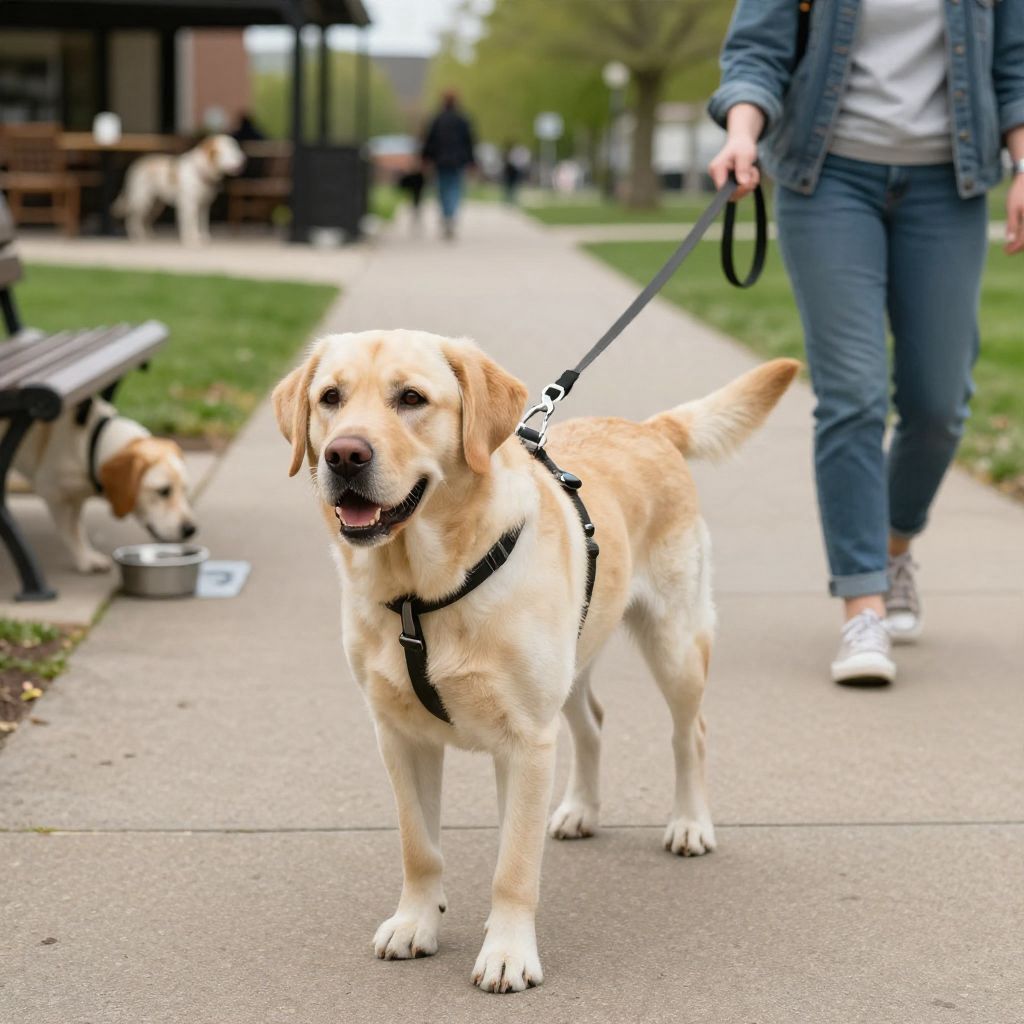
If you’re searching for dog friendly things to do near me, the best options are places that match your dog’s age, training, energy level, and comfort with people, dogs, and noise. Start with low-stress outings, check local rules, and bring water, waste bags, and a leash.
Not every “dog-friendly” place is a good fit for every dog. A calm senior may enjoy a quiet café patio, while a young, social dog may prefer a park walk or training class. Your goal is a safe outing that your dog can handle well.
What are the best dog friendly things to do near me?
The best dog-friendly activities are safe, legal, and suited to your dog’s temperament. Good options often include neighborhood walks, parks with leash rules, pet-friendly patios, dog-friendly stores, hiking trails that allow dogs, and structured training or socialization classes.
How to choose the right outing for your dog
Think about your dog as an individual. Breed can influence tendencies, but age, health, size, training history, and confidence matter just as much.
- Puppies: Keep outings short and controlled. Focus on positive exposure, not overwhelming crowds.
- Adult dogs: Match the activity to their exercise needs and manners on leash.
- Senior dogs: Choose low-impact, quiet places with easy footing and rest breaks.
- Shy or reactive dogs: Avoid busy dog parks and crowded events until you have a training plan.
- High-energy dogs: Look for longer walks, sniffy trails, or enrichment activities that use both body and brain.
If your dog has arthritis, heart disease, breathing problems, or a recent injury, ask your veterinarian what level of activity is safe before planning outings.
Dog friendly things to do near me: practical ideas that usually work
1. Neighborhood walks and sniff walks
A simple walk is often the easiest dog-friendly activity. Let your dog sniff, explore, and move at a comfortable pace instead of forcing a fast march the whole time.
2. Dog-friendly parks and green spaces
Many local parks allow dogs on leash. These are useful for exercise, training, and calm exposure to new sights and sounds.
- Keep your dog on leash unless the area is clearly designated off-leash.
- Avoid crowded times if your dog gets overstimulated.
- Watch for broken glass, dropped food, wildlife, and hot pavement.
3. Pet-friendly patios and outdoor cafés
Some restaurants welcome dogs in outdoor seating areas. This can be a good low-key outing for dogs who can relax quietly beside you.
- Bring a mat or blanket so your dog has a clear resting spot.
- Do not let your dog beg from tables or approach other diners.
- Leave if your dog is barking, pacing, or stressed.
4. Dog-friendly stores and garden centers
Some hardware stores, garden centers, and pet stores allow leashed dogs. These outings can help with socialization if your dog is already comfortable around people and carts.
Keep sessions short and reward calm behavior. If your dog pulls, lunges, or seems frightened, choose a quieter setting first.
5. Hiking trails and nature paths
Many trails are dog-friendly, but rules vary. Check leash requirements, trail difficulty, wildlife risks, and seasonal restrictions before you go.
- Bring extra water for both of you.
- Use a well-fitting harness if your dog pulls.
- Stay alert for snakes, foxtails, ticks, and steep terrain.
6. Dog parks, if your dog is a good fit
Dog parks can be helpful for some dogs, but they are not right for every dog. They work best for dogs with reliable social skills, good recall, and a history of positive dog interactions.
Avoid dog parks if your dog is fearful, defensive, overly rough, or recovering from illness or injury. A bad experience can make future outings harder.
7. Training classes and enrichment centers
Positive-reinforcement training classes are excellent dog-friendly activities. They provide mental exercise, social exposure, and practical skills like loose-leash walking and polite greetings.
Look for trainers who use humane methods and avoid punishment, intimidation, or shock collars. If your dog has serious fear or aggression concerns, ask for a certified professional or veterinary behaviorist.
How to tell if an outing is too much for your dog
Some dogs need help saying “I’m done.” Watch for stress signals and end the outing before your dog becomes overwhelmed.
- Excessive panting when it is not hot
- Yawning, lip licking, or turning away
- Freezing, crouching, or trying to hide
- Growling, barking, lunging, or snapping
- Refusing treats or ignoring familiar cues
- Shaking, pacing, or constant scanning
If you see these signs, give your dog space, reduce the challenge, and try a quieter outing next time.
Safety tips for local dog outings
Good planning keeps fun outings from turning into emergencies. A few simple habits make a big difference.
- Check the rules first. Verify leash laws, pet policies, and whether dogs are allowed at all.
- Bring essentials. Carry water, waste bags, a leash, and any needed medication.
- Use proper gear. A secure collar or harness and ID tags help if your dog slips away.
- Watch the weather. Heat, cold, ice, and hot pavement can all be dangerous.
- Avoid crowded surprises. If your dog is nervous, visit during quieter hours.
- Keep greetings optional. Not every dog wants to meet people or other dogs.
Common mistakes people make when looking for dog friendly things to do near me
Many problems come from assuming “dog-friendly” means “dog-ready.” A place may allow dogs but still be too stimulating or unsafe for your individual pet.
- Taking a puppy to a busy event before basic socialization skills are built
- Letting a dog off leash in an area without clear permission
- Ignoring signs of fear, fatigue, or overheating
- Using a crowded outing as a substitute for training
- Expecting every dog to enjoy the same activities
Age and health considerations
What works for one dog may not work for another. A young, athletic dog may enjoy a long trail walk, while a brachycephalic dog, arthritic dog, or recovering dog may need shorter, cooler, quieter outings.
Puppies
Puppies benefit from gentle exposure to new places, but they also need rest, routine, and protection from disease risk until your veterinarian says it is safe for more public settings.
Adult dogs
Healthy adult dogs often enjoy a wider range of activities, but training still matters. A dog with poor leash manners may need practice before busier outings are enjoyable.
Senior dogs
Older dogs may still love outings, but they often prefer predictable routes, softer surfaces, and more breaks. Watch for stiffness, slowing down, or reluctance to keep going.
When to call a veterinarian or trainer
Ask a veterinarian if your dog has pain, limping, coughing, fainting, vomiting, diarrhea, repeated overheating, or a sudden change in stamina or behavior. These signs can mean an outing is unsafe or that an underlying health issue needs attention.
Work with a qualified trainer or veterinary behaviorist if your dog is fearful, reactive, or difficult to manage in public. Early help is usually easier and safer than waiting for the problem to grow.
Quick checklist before you head out
- Is the location dog-friendly and legal for dogs?
- Can your dog handle the noise, people, and other animals?
- Do you have water, waste bags, leash, and ID?
- Is the weather safe for your dog’s coat, age, and health?
- Do you have a backup plan if your dog gets stressed?
The best dog friendly things to do near me are the ones your dog can enjoy safely and calmly. Start small, pay attention to your dog’s signals, and choose outings that fit their personality, training, and health. If you want more ideas, you may also find how to find puppies for sale near me and where can I find puppies for sale near me helpful for planning life with a new dog.