
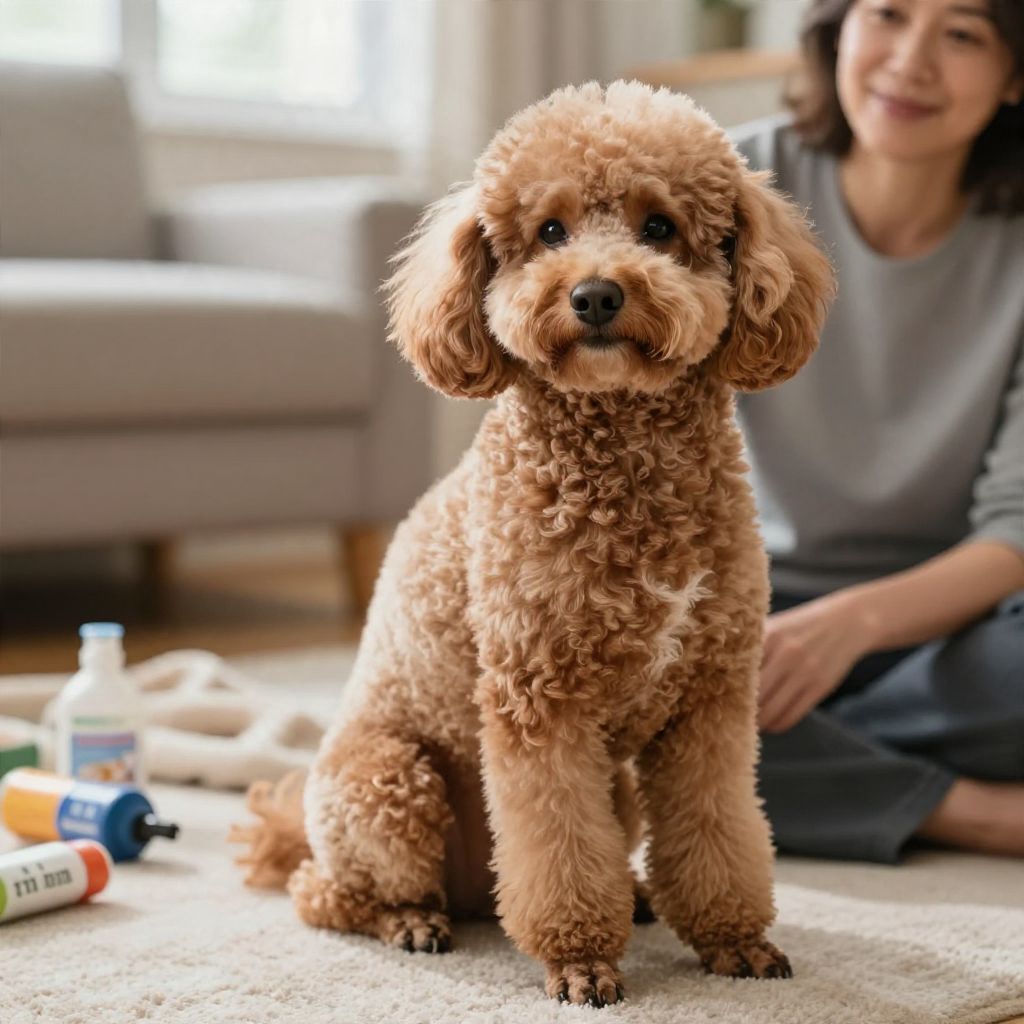
How long do toy poodles live? Most toy poodles live about 12 to 15 years, and some live longer with excellent care, good genetics, and regular veterinary attention. Their small size often supports a longer lifespan than larger breeds, but individual health still matters most.
If you’re wondering what to expect over a toy poodle’s life, it helps to think in stages: puppy, active adult, and senior. Knowing the common health risks and age-related changes can help you support your dog at every step.
How long do toy poodles live?
Most toy poodles live around 12 to 15 years, though some reach 16 or older. Lifespan varies with genetics, preventive care, diet, activity, dental health, and whether chronic conditions are caught early. A healthy lifestyle can help a toy poodle stay comfortable and active well into senior years.
What affects a toy poodle’s lifespan?
There is no single number that fits every dog. Even within the same breed, lifespan can differ based on inherited traits, body condition, overall health, and the quality of daily care.
Genetics and breeding
Responsible breeding can lower the risk of some inherited problems, but it cannot remove every risk. A puppy’s background matters, especially when it comes to heart, eye, joint, and neurological health.
Preventive veterinary care
Regular checkups can catch issues before they become serious. Vaccines, parasite prevention, dental exams, and routine screening are especially important as your dog gets older.
Weight and nutrition
Keeping a toy poodle at a healthy weight can reduce strain on the heart, joints, and airways. Overfeeding, too many treats, and lack of exercise can shorten a dog’s healthy years.
Dental health
Small breeds are often prone to dental disease, and toy poodles are no exception. Dental pain and infection can affect eating, comfort, and overall health if not addressed.
Daily activity and mental enrichment
Regular walks, play, and puzzle toys help maintain muscle tone, mobility, and mental wellbeing. A bored or under-exercised dog may become less active over time, which can affect overall health.
What to expect across a toy poodle’s life stages
Puppy stage
Toy poodle puppies are small, energetic, and often quick to learn. This is the time to focus on safe socialization, house training, crate comfort, and gentle handling so grooming and vet visits are easier later.
- Schedule routine puppy exams and vaccinations.
- Use positive-reward training to build good habits.
- Protect small puppies from rough play, falls, and overexertion.
Adult stage
Adult toy poodles usually stay active and alert, but they still need structure. Consistent exercise, grooming, and dental care can help prevent problems that become more common with age.
- Keep a steady feeding routine.
- Brush teeth regularly if your veterinarian recommends it.
- Maintain grooming to prevent mats and skin irritation.
Senior stage
Many toy poodles begin showing senior changes in their later years. You may notice slower movement, more sleep, hearing or vision changes, or a need for more frequent bathroom breaks.
Senior care should focus on comfort, mobility, and early detection of disease. Your veterinarian may recommend more frequent checkups and screening tests as your dog ages.
Common health concerns that can affect longevity
Not every toy poodle will develop these problems, but they are worth watching for because early treatment can improve quality of life.
Dental disease
Signs can include bad breath, red gums, tartar buildup, drooling, pawing at the mouth, or reluctance to chew. Dental disease can become painful and may affect eating if ignored.
Eye problems
Cloudiness, squinting, tearing, redness, or bumping into objects should be checked by a veterinarian. Eye issues can range from minor irritation to more serious disease.
Joint and mobility issues
Stiffness, limping, trouble jumping, or hesitation on stairs may suggest pain or reduced mobility. Small dogs can still develop orthopedic problems that need veterinary attention.
Heart disease
Persistent coughing, exercise intolerance, fainting, or rapid breathing are warning signs that need prompt evaluation. Some heart conditions progress slowly, so subtle changes matter.
Blood sugar issues
Weakness, shakiness, disorientation, or collapse are emergencies. Small dogs can be vulnerable to blood sugar problems, especially if they are very young, very small, or not eating well.
How to help your toy poodle live longer
Good care does not guarantee a longer life, but it can improve the odds of a healthier one. Focus on the basics that support long-term wellness.
- Feed a complete, balanced diet. Choose a food appropriate for your dog’s age and size, and measure meals instead of free-feeding.
- Keep your dog lean. You should be able to feel the ribs with a light touch and see a defined waist, though body shape varies by individual.
- Schedule regular veterinary visits. Annual exams are important, and seniors may need more frequent care.
- Protect dental health. Ask your veterinarian about brushing, dental chews, and professional cleanings when needed.
- Provide daily exercise. Short walks, play sessions, and training games help body and mind.
- Use safe grooming and handling. Keep coat, ears, nails, and skin in good condition to prevent discomfort.
- Watch for changes early. Appetite, energy, breathing, bathroom habits, and mobility can all signal health problems.
Exercise and enrichment needs by age
Toy poodles are small, but they still need regular activity. The right amount depends on age, health, and temperament, so adjust for your individual dog.
For puppies
Keep activity short and gentle. Avoid long runs, repeated jumping, or rough play that could stress growing joints.
For adults
Most adult toy poodles benefit from daily walks plus mental work such as training, scent games, or food puzzles. Mental stimulation is especially useful for intelligent dogs that get bored easily.
For seniors
Older dogs often do best with shorter, more frequent outings and low-impact play. If your dog seems sore or tired after exercise, ask your veterinarian whether the routine should change.
When to call the veterinarian
Some changes are normal with age, but others should not be ignored. Contact your veterinarian promptly if you notice ongoing vomiting, diarrhea, weight loss, coughing, limping, pain, appetite loss, or a sudden behavior change.
Seek urgent veterinary care now if your toy poodle has trouble breathing, collapses, has seizures, cannot stand, has pale or blue gums, has a swollen painful abdomen, or may have eaten something toxic.
Common mistakes that can shorten a toy poodle’s healthy years
- Skipping dental care until there is obvious pain.
- Overfeeding treats or table scraps.
- Missing routine vet visits because the dog “seems fine.”
- Ignoring subtle signs of stiffness, coughing, or fatigue.
- Using harsh training methods that increase stress instead of teaching skills.
- Letting grooming lapse until mats or skin problems develop.
What a long, healthy life can look like
A well-cared-for toy poodle may stay playful, alert, and affectionate for many years. Aging does not have to mean poor quality of life, especially when you stay proactive about weight, dental care, mobility, and routine veterinary monitoring.
If your dog is entering the senior years, focus on comfort and early intervention. Small changes often make a big difference in how well an older toy poodle feels day to day.
If you want more breed-specific context, you can also read how long poodles live and how big toy poodles get. The best next step, though, is a regular relationship with your veterinarian so you can support your toy poodle’s health at every age.