
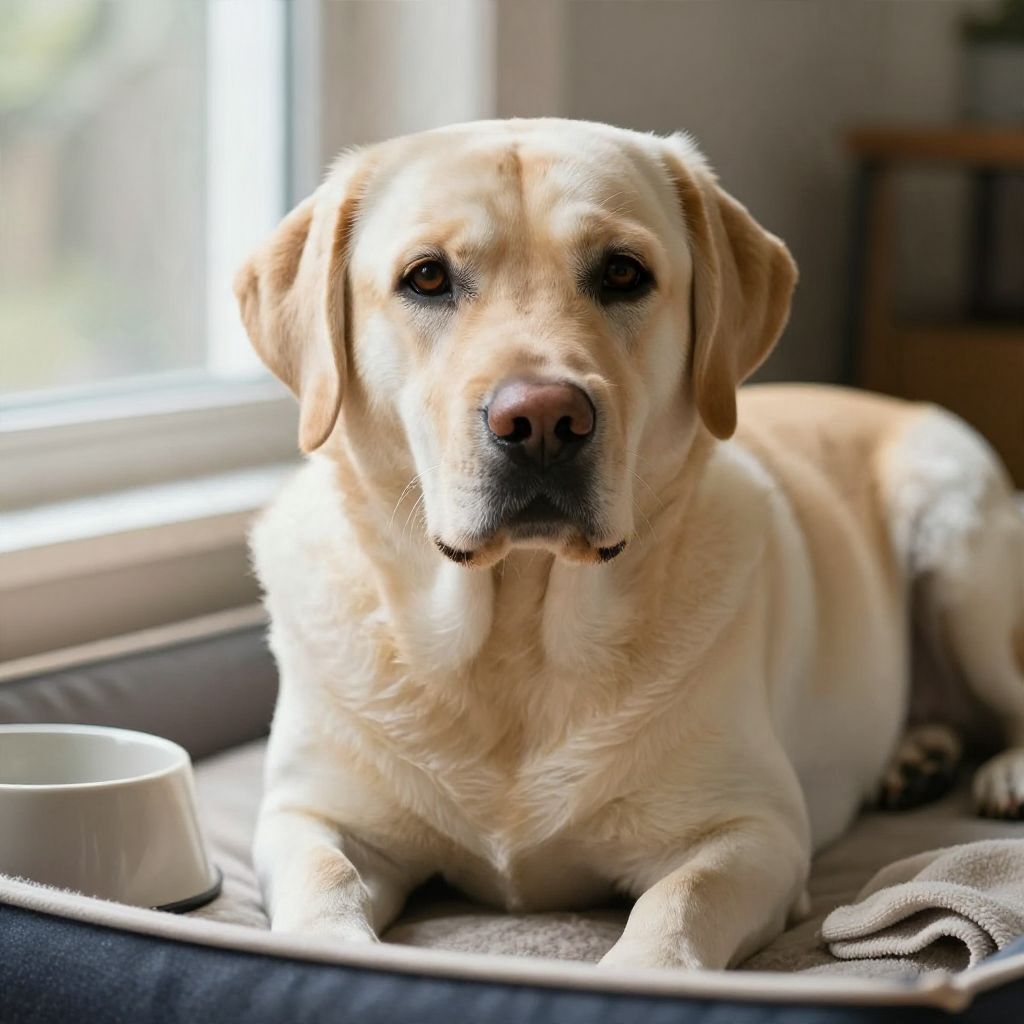
If your dog’s nose is dry, it does not always mean something is wrong. A dry nose can happen after sleep, in warm or windy weather, with age, or during mild dehydration.
What matters most is your dog’s overall behavior and whether the dryness comes with cracking, discharge, pain, or other illness signs. A sudden change or a dry nose plus other symptoms deserves a vet check.
Why is my dog’s nose dry?
A dog’s nose can be dry for harmless reasons, such as sleeping, low humidity, sun exposure, or normal aging. It can also happen with dehydration, fever, skin issues, allergies, or illness. A dry nose alone is usually not an emergency, but dryness with other symptoms should be taken seriously.
Common reasons a dog’s nose is dry
Many everyday factors can change how moist a dog’s nose feels. Some are temporary and harmless, while others need attention if they persist.
Normal sleep and rest
Dogs often wake with a dry nose because they have not been licking it while asleep. It may become moist again within a short time after waking.
Weather and environment
Hot sun, cold air, indoor heating, and low humidity can dry the nose surface. Wind and long time outdoors can also make the nose feel rough or flaky.
Age-related changes
Older dogs may have a drier nose more often than younger dogs. This can be a normal change, though persistent cracking or thick crusting still deserves a veterinary look.
Dehydration or not drinking enough
If your dog is not drinking normally, the nose may look dry along with other signs such as tiredness or tacky gums. Dehydration can happen with heat, vomiting, diarrhea, or illness.
Allergies or skin irritation
Environmental allergies, contact irritation, or some skin conditions can affect the nose and nearby skin. You may notice redness, itching, rubbing, or crusting.
Illness or fever
A dry nose can sometimes appear when a dog is unwell, but it is not a reliable sign by itself. Look for changes in appetite, energy, breathing, temperature, or behavior.
When a dry nose is not a big concern
If your dog is acting normal, eating, drinking, and breathing comfortably, a dry nose by itself is often not worrisome. Many dogs have a nose that changes from moist to dry throughout the day.
- Dry nose after sleep
- Dry nose in hot, cold, or windy weather
- Temporary dryness that improves quickly
- No pain, swelling, discharge, or behavior change
Warning signs that mean you should call a veterinarian
Contact your veterinarian if the dry nose lasts more than a day or two, keeps recurring, or comes with other changes. The nose may be telling you about a skin problem, infection, dehydration, or another medical issue.
- Cracks, bleeding, or thick crusts
- Nasal discharge, especially yellow, green, or bloody
- Swelling, sores, or color changes
- Loss of appetite or low energy
- Vomiting or diarrhea
- Excessive thirst or not drinking
- Squinting, facial pain, or pawing at the nose
- Fever, coughing, or breathing trouble
Red-flag symptoms that need urgent veterinary care
Some signs should not wait. Seek urgent veterinary care if your dog has severe illness symptoms along with a dry nose, especially if the change happened suddenly.
- Difficulty breathing
- Collapse, extreme weakness, or unresponsiveness
- Heavy bleeding from the nose
- Repeated vomiting or severe diarrhea
- Suspected poisoning or toxin exposure
- Severe swelling of the face or muzzle
- Eye involvement, such as squinting or discharge with facial pain
What you can do at home safely
For a mildly dry nose without other symptoms, focus on comfort and hydration. Keep changes gentle and avoid products that could irritate the skin or be licked off.
- Make sure fresh water is always available.
- Offer a cool, comfortable resting place away from direct heat or sun.
- Use a humidifier if indoor air is very dry.
- Check whether your dog is eating, drinking, and acting normally.
- Watch the nose for cracking, bleeding, discharge, or swelling.
What not to do
Do not use human creams, essential oils, or medicated ointments unless your veterinarian says they are safe. Some products can irritate the nose or be harmful if licked.
- Do not pick at crusts or scabs.
- Do not use harsh soaps or alcohol-based cleaners.
- Do not assume a dry nose means fever.
- Do not delay care if your dog seems sick.
Dry nose versus nose problems that need treatment
A dry nose is different from a nose that is painful, ulcerated, or producing abnormal discharge. Those signs suggest a problem beyond simple dryness and should be assessed by a veterinarian.
Possible issues a vet may consider
- Allergies or irritation
- Infection
- Autoimmune or inflammatory skin disease
- Foreign material in the nose
- Dental disease affecting the nose area
- Systemic illness causing dehydration or fever
Does breed, age, or lifestyle matter?
Yes. Individual dogs vary, and some are more prone to nose dryness because of their age, environment, or health history. Short-nosed dogs, outdoor dogs, senior dogs, and dogs with allergies may need closer attention, but any dog can develop a dry nose.
What matters is the whole picture: your dog’s energy, appetite, drinking, breathing, and skin condition. A dog that seems normal is different from one that is quiet, uncomfortable, or not eating.
How to monitor your dog at home
If you are unsure whether the dryness is normal, keep a simple watch list for a day or two. This helps you notice patterns and gives your veterinarian useful information if you need to call.
- When the dryness started
- Whether it improves after waking or drinking
- Any discharge, cracking, or bleeding
- Appetite and water intake
- Energy level and bathroom habits
- Any recent heat, travel, grooming, or new products
When to schedule a routine vet visit
Make a non-urgent appointment if the nose stays dry for several days, keeps cracking, or looks different from your dog’s usual pattern. A routine visit is also a good idea if your dog is older, has allergies, or has repeated nose changes.
Your veterinarian can check for dehydration, skin disease, nasal irritation, and other causes. They can also tell you whether any safe topical care is appropriate for your dog.
Bottom line
A dog’s nose being dry is often harmless, especially after sleep or in dry weather. But if the dryness is persistent or comes with cracking, discharge, pain, breathing changes, or low energy, your dog should be seen by a veterinarian.
If you want to compare causes and next steps, you may also find these guides helpful: my dog’s nose is dry and why is my dog’s nose dry?