
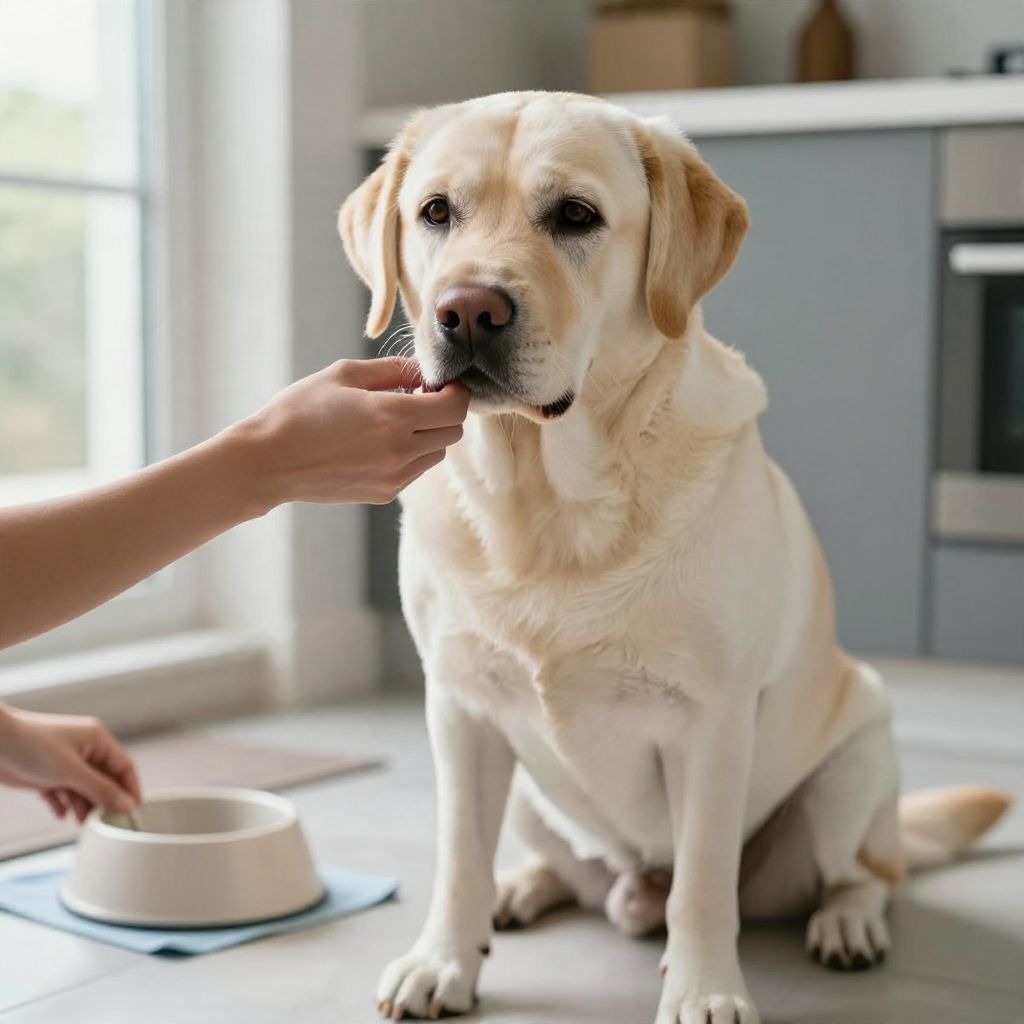
Why is my dog’s nose dry? In many cases, a dry nose is harmless and can happen after sleeping, warm weather, low humidity, or simple dehydration. It can also appear with age, sun exposure, or normal day-to-day changes in moisture.
Sometimes, though, a dry nose is one clue among others, such as crusting, cracking, discharge, lethargy, or reduced appetite. Those signs matter more than dryness alone and may mean your dog needs a veterinary exam.
Why is my dog’s nose dry?
A dry dog nose is often normal and temporary, especially after naps, in dry indoor air, or after time in the sun. It becomes more concerning when it is paired with cracking, bleeding, swelling, pain, nasal discharge, fever, or changes in behavior, because those signs can point to illness or irritation.
Common reasons a dog’s nose gets dry
Many everyday factors can reduce the moisture on your dog’s nose. Some are harmless and short-lived, while others need attention if they keep happening or come with other symptoms.
1. Sleeping or resting
Dogs often wake up with a dry nose because they have not been licking it while asleep. This is one of the most common and least worrisome reasons.
2. Dry air or weather
Indoor heating, air conditioning, wind, and low humidity can dry the nose surface. Seasonal changes may make the dryness more noticeable, especially in dogs that spend a lot of time indoors.
3. Normal aging
Some older dogs seem to have drier noses more often. Age alone does not mean disease, but senior dogs may also be more likely to have other health issues, so it helps to watch for changes over time.
4. Mild dehydration
If your dog has not been drinking enough water, the nose may feel drier than usual. Dehydration can happen after exercise, hot weather, vomiting, diarrhea, or simply not drinking enough.
5. Sun exposure
Dogs that lie in direct sun may develop a dry or irritated nose. Light-colored noses and dogs with thin facial hair can be more vulnerable to sun-related irritation.
6. Irritation or allergies
Contact with dust, pollen, cleaning products, or rough surfaces can irritate the nose. Allergies may also contribute, though a dry nose alone is not enough to confirm them.
7. Breed-related facial structure
Some dogs with short muzzles or facial folds may have noses that dry out more easily because of their anatomy. That does not mean every dog of a certain breed will have the same issue, but it can make moisture and skin care more important.
When a dry nose is not a big problem
If your dog is otherwise acting normal, eating, drinking, breathing comfortably, and has no discharge or pain, a dry nose is often not an emergency. Many dogs cycle between moist and dry noses throughout the day.
Watch the whole dog, not just the nose. Energy level, appetite, thirst, bathroom habits, and breathing are usually more useful clues than nose moisture alone.
Signs that mean you should call a veterinarian
A dry nose deserves more attention when it is persistent or comes with other symptoms. Contact your veterinarian if you notice any of the following:
- Cracks, bleeding, or thick crusts on the nose
- Yellow, green, bloody, or foul-smelling nasal discharge
- Swelling, redness, or obvious pain when the nose is touched
- Loss of appetite or reduced drinking
- Lethargy, fever, coughing, or repeated sneezing
- Changes in breathing, noisy breathing, or trouble breathing
- Dryness that keeps returning or does not improve
- Ulcers, sores, or pigment loss on the nose
Seek urgent veterinary care immediately if your dog has trouble breathing, collapses, has heavy bleeding, seems severely weak, or has a sudden swollen face or nose. These are not “wait and see” signs.
What to do if your dog’s nose is dry
Simple care is often enough when the dryness is mild and your dog otherwise seems well. Focus on comfort, hydration, and watching for changes.
- Offer fresh water and make sure your dog has easy access to it.
- Check the environment for dry indoor air, strong heat, or direct sun.
- Look at the whole nose for cracks, crusts, discharge, or sores.
- Observe your dog’s behavior for appetite changes, tiredness, or breathing issues.
- Schedule a vet visit if the dryness is persistent or accompanied by other symptoms.
What not to do
Do not use human creams, medicated ointments, essential oils, or random home remedies unless your veterinarian says they are safe. Dogs lick their noses, so products that seem harmless to people can be irritating or unsafe for pets.
How to support a healthy nose
There is no single fix for every dog, but a few practical habits can help keep the nose comfortable.
- Keep clean, fresh water available at all times.
- Use a humidifier if your home air is very dry, especially in winter.
- Limit long periods of direct sun exposure when possible.
- Wipe away dirt gently with a soft, damp cloth if your dog tolerates it.
- Follow your veterinarian’s advice if your dog has allergies, skin disease, or a chronic condition.
If your dog’s nose is dry because of an underlying problem, treating the cause matters more than moisturizing the surface. For example, nasal irritation from allergies, infection, or autoimmune disease needs veterinary guidance.
Dry nose in puppies, adult dogs, and senior dogs
The meaning of a dry nose can vary a little with age. Puppies may have temporary dryness from naps, play, or mild environmental changes, while senior dogs may show drier noses more often as part of normal aging or due to other health issues.
Because puppies can become dehydrated faster and older dogs may have more medical conditions, it is wise to be more cautious if dryness lasts more than a day or two or comes with any other symptom.
Could a dry nose mean illness?
Sometimes, yes, but not by itself. A dry nose can appear with fever, respiratory illness, dehydration, skin disease, dental problems, and other conditions, yet many of those problems also cause additional signs that are more important than the nose alone.
Do not try to diagnose based on nose moisture alone. If your dog seems “off,” has discharge, is not eating, or is breathing differently, a veterinarian should evaluate them.
Common mistakes dog owners make
It is easy to overreact to a dry nose or ignore it completely. The best approach is to stay calm, check for other signs, and respond to the full picture.
- Assuming every dry nose means illness and worrying unnecessarily
- Ignoring crusting or bleeding because the dog still seems active
- Using human products without veterinary approval
- Waiting too long when dry nose is paired with lethargy, discharge, or breathing changes
- Forgetting hydration and environment as simple causes
When to monitor at home versus when to see the vet
Home monitoring is reasonable when the nose is only mildly dry, your dog is acting normal, and the dryness improves with rest, water, or a change in environment. Keep an eye on it for the rest of the day and the next day.
Make a veterinary appointment if the dryness lasts, keeps coming back, or you notice any crusting, sores, discharge, or behavior changes. If your dog seems unwell, do not wait for the nose to “fix itself.”
Bottom line
A dry dog nose is often normal and temporary, but it becomes more important when it is persistent or paired with other symptoms. If your dog is eating, drinking, breathing, and behaving normally, simple monitoring is usually enough; if not, call your veterinarian.
If you want to read more, you may also find these helpful: my dog’s nose is dry and can dogs get colds?.