
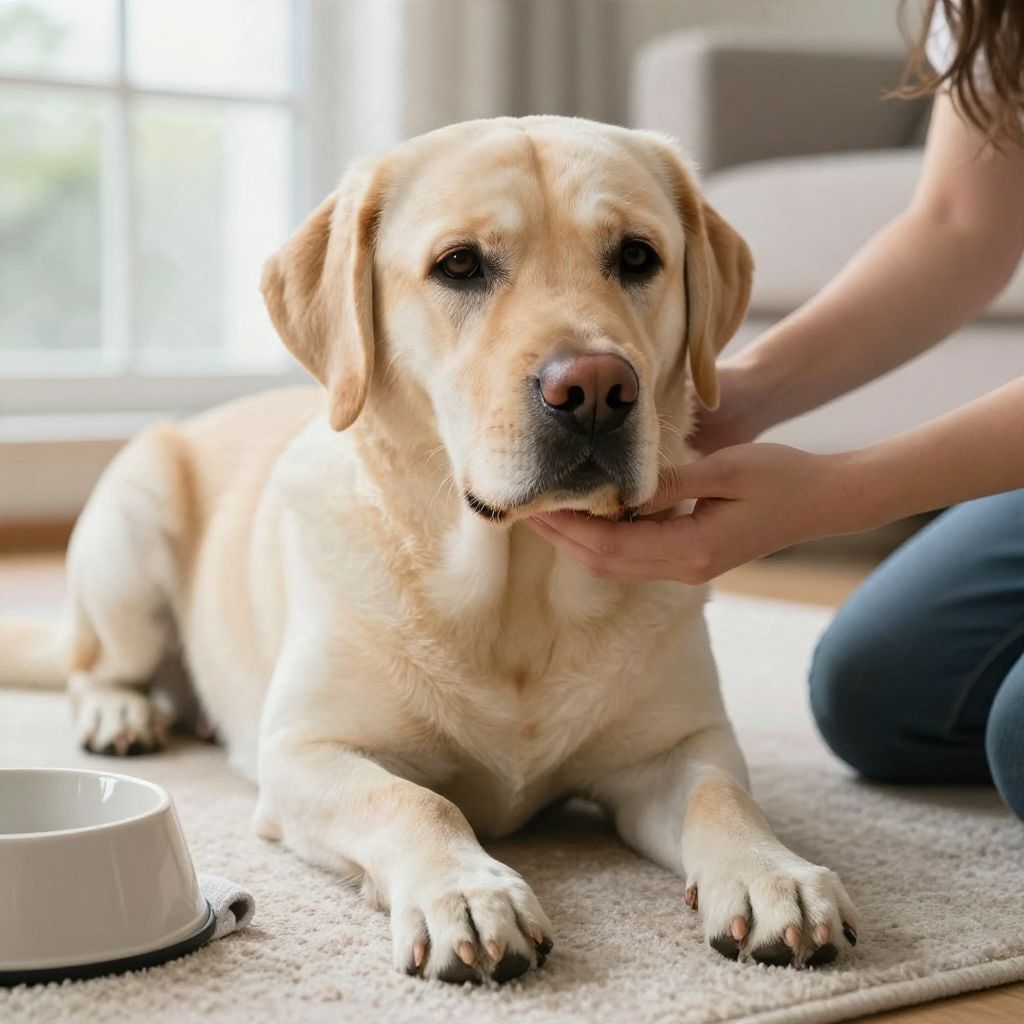
My dogs nose is dry sometimes, and that alone is usually not an emergency. A dog’s nose can change with sleep, weather, indoor heating, age, and normal grooming habits.
What matters more is whether the dryness comes with cracking, bleeding, pain, discharge, lethargy, or other signs of illness. If your dog seems unwell, a veterinarian should check them.
My Dogs Nose Is Dry: should I worry?
A dry nose is often harmless if your dog is otherwise acting normal, eating, drinking, and breathing comfortably. It can happen after sleep, in dry air, or with mild dehydration. Worry more if the nose is cracked, painful, crusted, bleeding, or paired with other symptoms.
Why a dog’s nose can be dry
A dog’s nose is not always wet. Moisture levels naturally vary through the day, and some dogs simply have drier noses than others.
Common non-emergency reasons
- Sleeping or just waking up
- Dry indoor air, heat, or cold weather
- Sun exposure or wind
- Age-related changes, especially in some senior dogs
- Normal grooming, licking, or rubbing
- Mild dehydration after exercise or not drinking enough
Individual factors that can matter
Breed, age, coat type, and health history can all affect nose moisture. For example, some dogs with shorter muzzles may be more prone to skin irritation around the face, while older dogs may have drier skin overall. These are tendencies, not guarantees.
When a dry nose is normal
If your dog has a dry nose but seems bright, playful, and comfortable, it is often fine to monitor at home. A nose that feels dry for part of the day, then returns to normal, commonly reflects routine changes rather than disease.
It is usually reassuring when your dog:
- Is eating and drinking normally
- Has normal energy and behavior
- Is breathing comfortably
- Has no eye, mouth, or skin problems
- Does not seem bothered by the nose itself
Signs that need a vet visit
A dry nose becomes more concerning when it is persistent or comes with other changes. Call your veterinarian if the dryness lasts more than a day or two and your dog also seems off, or if the nose looks irritated, crusty, or damaged.
Make an appointment soon if you notice
- Cracking, flaking, or thick crusts
- Bleeding or sores
- Yellow, green, or bloody discharge
- Swelling, redness, or pain
- Loss of appetite or reduced drinking
- Fever, vomiting, diarrhea, or unusual tiredness
- Repeated sneezing or noisy breathing
- Changes in nose color or texture
Urgent red flags
Seek urgent veterinary care now if your dog has trouble breathing, severe facial swelling, heavy bleeding, collapse, a sudden severe nosebleed, or a dry nose along with marked weakness or confusion. These signs can point to a serious problem that should not wait.
Possible health causes behind a very dry nose
A dry nose by itself does not tell you the cause. The context matters, and a veterinarian may need to examine your dog to sort out the reason.
Dehydration
Dogs that are not drinking enough, have been very active, or have lost fluids from vomiting or diarrhea may develop a drier nose. Dehydration can become serious quickly, especially in puppies, seniors, and small dogs.
Allergies or irritation
Environmental allergies, dust, pollen, cleaning products, or repeated rubbing can irritate the nose and surrounding skin. Some dogs also develop dryness from contact with rough surfaces or from excessive licking.
Skin and immune-related conditions
Autoimmune or inflammatory skin diseases can affect the nose leather and cause crusting, pigment changes, or sores. These conditions need veterinary diagnosis and treatment.
Infection or injury
A scratch, bite, foreign material, or infection may make the nose look dry, cracked, or inflamed. If your dog has facial pain, discharge, or one-sided symptoms, an exam is important.
Sun damage
Dogs with light-colored or thinly pigmented noses can be more vulnerable to sun-related irritation. Repeated sun exposure may dry and damage the nose over time.
What you can do at home
If your dog seems well overall, simple supportive care is often enough. Focus on comfort, hydration, and watching for changes.
- Check for other symptoms. Look at appetite, energy, drinking, breathing, and bathroom habits.
- Offer fresh water. Make sure water is clean, easy to reach, and refreshed regularly.
- Use a humidifier if the air is very dry. This can help in heated homes during winter.
- Limit harsh exposure. Reduce time in strong sun, wind, or very cold air when possible.
- Observe the nose closely. Watch for cracking, bleeding, swelling, or discharge over the next 24 to 48 hours.
Do not pick at crusts or forcefully wipe the nose if it seems painful. Gentle observation is safer than trying to scrub it clean.
What not to do
Some common well-meaning actions can make the problem worse. Avoid anything that could irritate the skin or delay proper care.
- Do not use human lotions, lip balms, or medicated creams unless your veterinarian says they are safe for dogs.
- Do not apply essential oils or scented products to the nose.
- Do not give medications without veterinary guidance.
- Do not assume a dry nose means fever or illness on its own.
- Do not wait if your dog has breathing trouble, bleeding, or obvious pain.
Dry nose in puppies, adults, and senior dogs
Age can change how you interpret a dry nose, but the same basic rule applies: look at the whole dog, not the nose alone.
Puppies
Puppies can dehydrate faster than adult dogs, especially if they are not eating well or have vomiting or diarrhea. A dry nose in a puppy deserves closer attention if it comes with low energy, poor appetite, or loose stool.
Adult dogs
In healthy adults, a dry nose is often temporary and linked to environment or sleep. If it keeps happening, think about hydration, allergies, and whether your dog is showing any other subtle changes.
Senior dogs
Older dogs may have drier skin and may be more likely to develop chronic health issues. If a senior dog’s nose has become persistently dry or cracked, a veterinary exam is a good idea even if the change seems mild.
How to support nose health long term
Good general care helps reduce irritation and makes it easier to notice real changes early.
- Keep your dog well hydrated
- Maintain routine veterinary checkups
- Use gentle grooming products made for dogs
- Protect your dog from extreme weather when possible
- Address allergies, skin problems, or facial rubbing early
If your dog tends to lick their lips or paws a lot, that can sometimes go along with skin irritation or allergies. You may also find it helpful to read why does my dog lick his paws? and why does my dog lick their lips?
Bottom line
My dogs nose is dry is usually not a crisis on its own. If your dog is acting normal, monitor closely and support hydration and comfort. If the dryness is persistent or comes with cracking, discharge, bleeding, pain, or behavior changes, contact your veterinarian promptly.