
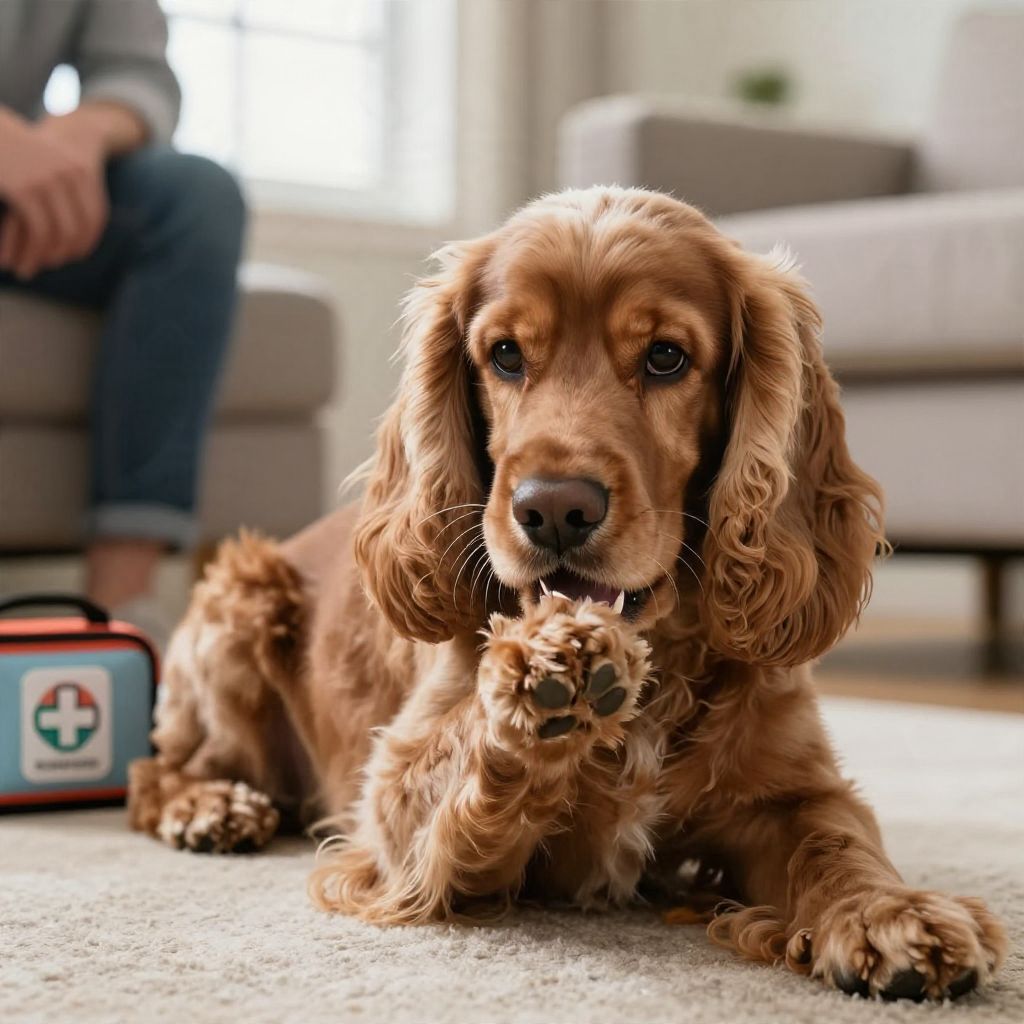
Why do dogs cobb? If your dog is making a nibbling, chewing, or “cobbling” motion on blankets, toys, your skin, or even the air, it usually has a normal explanation. It can be a sign of grooming behavior, excitement, stress relief, or a response to itchiness or discomfort.
The meaning depends on what your dog is cobbing, how often it happens, and whether there are other symptoms. Most cases are harmless, but persistent or sudden cobbing can point to a skin, pain, or behavior issue that needs attention.
Why do dogs cobb?
Dogs cobb for several reasons, including self-soothing, playful nibbling, grooming, boredom, or irritation from itchy skin, pain, or dental discomfort. If the behavior is occasional and your dog seems otherwise normal, it is often harmless. If it is frequent, intense, or new, check for a medical or stress-related cause.
What cobbing looks like in dogs
“Cobbing” usually means a dog makes small, repetitive nibbling motions with the front teeth. It may look like gentle chewing on a blanket, paw, toy, or another dog’s fur, or like little pinching bites on your hand or arm.
Some dogs do it softly and briefly. Others do it more insistently, especially when excited, anxious, or uncomfortable.
Common situations where you may notice it
- While resting or settling down
- During play or excitement
- When grooming themselves or another dog
- When trying to scratch an itch
- When seeking attention
Common reasons dogs cobb
1. Normal grooming or social behavior
Dogs sometimes nibble at their own fur or another dog’s coat as part of grooming or social bonding. This can be normal if the other dog is relaxed and the interaction stays gentle.
In multi-dog homes, this may appear during calm contact, after play, or when one dog is trying to engage another. Watch body language to make sure both dogs are comfortable.
2. Excitement or play
Some dogs cobb when they are highly aroused, such as during playtime, greetings, or when they are trying to get your attention. The behavior may be more common in puppies and young dogs, but any dog can do it.
If the nibbling is gentle and stops when you redirect the dog, it is often a play behavior rather than a problem.
3. Self-soothing or stress relief
Repetitive nibbling can be a calming habit for some dogs. It may happen when they are bored, mildly anxious, or trying to settle themselves in a new or stimulating environment.
Dogs with stress-related cobbing may also pace, lick their lips, seek hiding spots, or become clingy. The behavior may increase during changes at home, loud noises, or alone time.
4. Itchy skin or irritation
Skin discomfort is a common reason dogs nibble at themselves. Allergies, fleas, dry skin, hot spots, insect bites, or contact irritation can make a dog focus on one area repeatedly.
If cobbing seems aimed at the same spot, look for redness, hair loss, flaking, odor, or frequent scratching. Persistent itching deserves a veterinary exam.
5. Pain or discomfort
Dogs sometimes nibble at a body part that hurts. This can happen with joint pain, muscle soreness, paw injuries, or discomfort around the mouth or face.
If your dog suddenly starts cobbing a specific area, limps, flinches, avoids being touched, or seems restless, pain should be on your list of possibilities.
6. Dental or oral issues
Some dogs nibble because their mouth feels uncomfortable. Broken teeth, gum disease, retained baby teeth, or something stuck in the mouth can all cause unusual chewing or nibbling behavior.
Bad breath, drooling, dropping food, pawing at the mouth, or reluctance to eat hard food are reasons to schedule a veterinary visit.
7. Habit or learned attention-seeking
If cobbing reliably gets a reaction from you, your dog may repeat it. Even a laugh, petting, or eye contact can reinforce the behavior if your dog wants attention.
This does not mean your dog is being “stubborn.” It usually means the behavior has worked before.
When cobbing is normal and when it is not
Occasional, gentle cobbing is often normal. The key is whether your dog is relaxed, easy to redirect, and free of other symptoms.
- Usually normal: brief nibbling during play, grooming, or settling down
- More concerning: frequent, intense, or compulsive nibbling
- Needs veterinary attention: cobbing with itching, pain, hair loss, wounds, swelling, or behavior changes
Red flags that need prompt veterinary care
- Sudden onset of repeated cobbing
- Open sores, bleeding, or significant hair loss
- Swelling, heat, or a strong odor from the skin
- Limping, yelping, or sensitivity to touch
- Drooling, bad breath, or trouble eating
- Agitation, lethargy, or a change in appetite
- Any sign your dog may have bitten or injured another dog or a person
If your dog is having trouble breathing, collapses, has facial swelling, or seems unable to settle because of severe pain, seek urgent veterinary help right away.
What to do if your dog cobbs
1. Observe the pattern
Notice when the behavior happens, what your dog is cobbing, and whether it seems linked to excitement, stress, grooming, or discomfort. This information helps your veterinarian or trainer narrow down the cause.
It can help to take a short video of the behavior before the appointment.
2. Check for skin, mouth, or paw problems
Look for obvious irritation, fleas, redness, swelling, broken skin, or a foreign object. If your dog allows it comfortably, check the paws, ears, and mouth for visible issues.
Do not force an exam if your dog is painful or defensive. A veterinarian should assess those cases.
3. Redirect gently
If the cobbing is playful or attention-seeking, calmly redirect to a toy, chew, or training cue. Reward your dog for choosing the replacement behavior.
- Offer an appropriate chew or toy
- Ask for a simple cue like “sit” or “touch”
- Reward calm behavior with praise or a treat
- End the interaction briefly if your dog gets overexcited
4. Reduce triggers and boredom
Dogs that cobb from stress or under-stimulation may benefit from more structure, enrichment, and predictable routines. Mental work can be as helpful as physical exercise.
- Use food puzzles or scatter feeding
- Add short training sessions
- Give your dog safe chew options
- Provide regular walks and sniffing time
- Keep greetings calm if excitement triggers the behavior
5. Avoid punishment
Do not scold, startle, or physically correct your dog for cobbing. Punishment can increase stress and make the behavior harder to interpret, especially if pain or anxiety is involved.
Reward-based training and good management are safer and more effective.
How age, breed, and lifestyle can affect cobbing
Any dog can cobb, but the reason may vary with age, temperament, and life stage. Puppies often nibble more during play and teething. Adult dogs may cobb for comfort, attention, or because of skin irritation. Senior dogs may do it more if they have pain or dental disease.
Breed tendencies can also play a role, but they are not guarantees. Some dogs are more mouthy, more sensitive, or more prone to skin problems than others. Your individual dog’s history matters more than breed labels alone.
How to prevent problem cobbing
If cobbing is becoming a habit, prevention works best when you address both the cause and the behavior pattern.
- Rule out medical causes if the behavior is new, frequent, or focused on one area.
- Provide daily enrichment with walks, sniffing, puzzles, and training.
- Teach an alternative behavior such as going to a mat or taking a toy.
- Manage excitement by keeping greetings and play sessions calm.
- Protect sensitive skin with flea prevention and veterinary skin care as needed.
When to ask a professional for help
Contact your veterinarian if you suspect itchiness, pain, dental problems, or a skin condition. If the cobbing seems driven by anxiety, compulsive behavior, or poor impulse control, a certified trainer or veterinary behaviorist can help you build a humane plan.
Professional guidance is especially useful if the behavior is escalating, causing injury, or affecting your dog’s quality of life.
Bottom line
Why do dogs cobb? Most often, it is a normal nibbling behavior tied to grooming, play, stress relief, or attention. But if it is new, frequent, or paired with itching, pain, or mouth problems, your dog should be checked by a veterinarian. Watch the pattern, redirect gently, and get help when needed.
If you want to compare cobbing with other common dog behaviors, you may also find what cobbing in dogs means and why dogs drag their butt helpful for spotting when a behavior is harmless versus a sign of discomfort.