
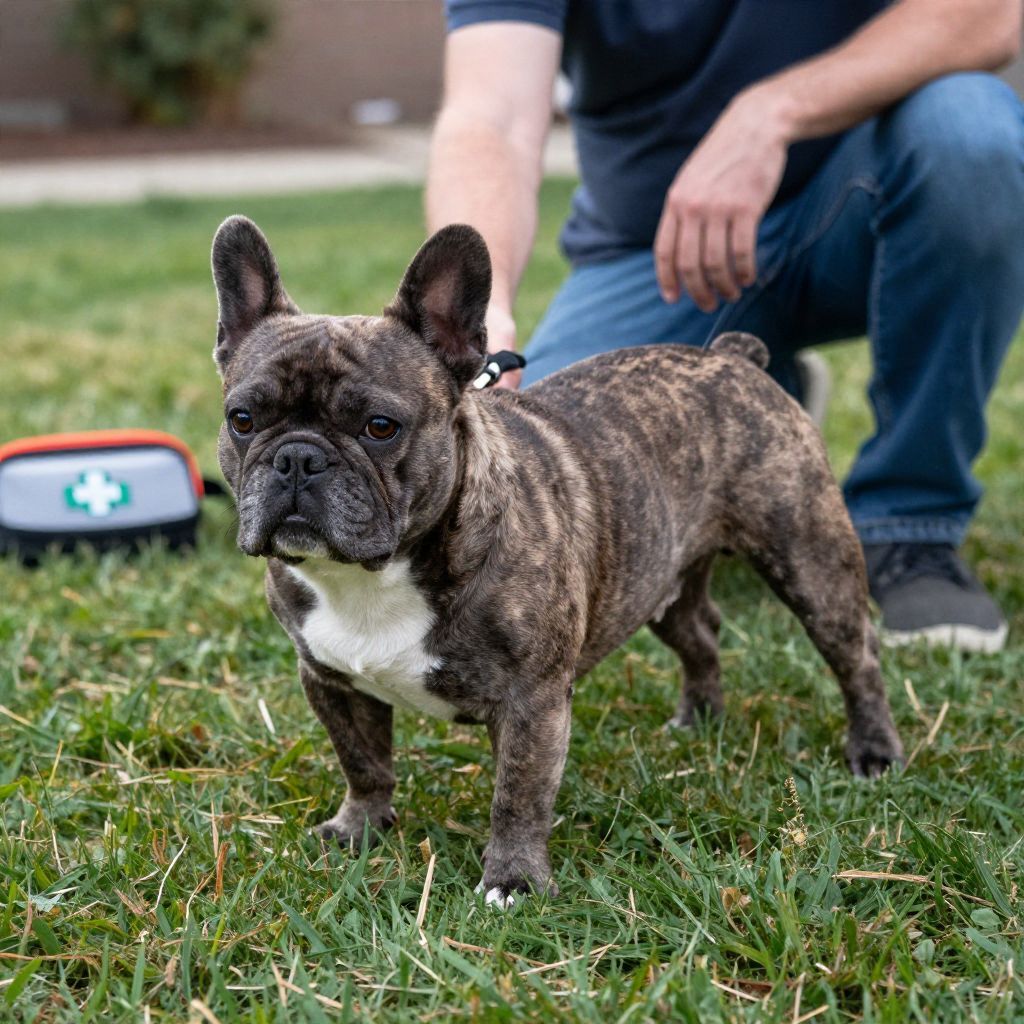
Why do dogs drag their butt? This behavior, often called “scooting,” usually means something is irritating your dog’s rear end. It can be caused by full anal glands, parasites, skin irritation, diarrhea, allergies, or a small injury.
Sometimes scooting happens once and passes. If it keeps happening, or your dog seems painful, swollen, or unable to poop normally, a veterinarian should check for the cause.
Why do dogs drag their butt?
Dogs drag their butt when something around the anus or rectum feels itchy, uncomfortable, or blocked. The most common causes are anal gland problems, parasites, diarrhea, allergies, skin irritation, or a foreign object. Occasional scooting can happen, but repeated scooting usually means your dog needs a vet exam.
Common causes of butt dragging
1. Anal gland issues
Anal glands are small scent glands near the anus. They normally empty during bowel movements, but some dogs do not empty them well, and the glands can become full, irritated, or infected.
Signs that point toward anal gland trouble include:
- Frequent scooting
- Strong fishy odor
- Licking or biting at the rear
- Straining to poop
- Swelling, redness, or pain near the anus
Smaller dogs, overweight dogs, and dogs with soft stools may be more prone to this problem, but any dog can develop it.
2. Parasites
Intestinal parasites, especially tapeworms, can irritate the rear end and make a dog scoot. You may also notice rice-like segments near the anus or in the bedding, though parasites are not always visible.
Because many parasites are not obvious to the eye, a vet may recommend a fecal test even if you do not see worms.
3. Diarrhea or soft stool
Loose stool can leave residue around the anus and make the skin sore or itchy. Repeated diarrhea can also prevent the anal glands from emptying normally, which may worsen scooting.
If your dog has diarrhea along with scooting, the underlying digestive issue matters, not just the rear-end irritation.
4. Allergies or skin irritation
Dogs with environmental or food allergies may itch in many places, including the rear end. Irritated skin, moisture, or inflammation around the tail base and anus can make a dog drag its butt for relief.
You may also see:
- Itching elsewhere on the body
- Ear infections
- Red skin or licking paws
- Recurring skin flare-ups
5. Foreign material stuck to the fur
Sometimes the cause is simple: matted fur, dried feces, grass seeds, dirt, or another object stuck around the rear. Long-haired dogs may be more likely to have this problem, but any dog can get debris caught there after a messy stool or outdoor play.
6. Pain, injury, or growths
Less commonly, scooting can happen because of pain, a wound, a rectal issue, or a mass near the anus. These causes are more concerning, especially if the area looks swollen, bleeds, or your dog cries out when touched.
Do not assume butt dragging is “just irritation” if the behavior is new and severe or if your dog seems unwell.
What to do if your dog is dragging their butt
Start by checking for obvious problems, then decide whether your dog needs a vet visit. If the scooting happens more than once, or if you see other symptoms, a veterinary exam is the safest next step.
- Look at the area carefully. Check for redness, swelling, discharge, bleeding, parasites, or stuck debris.
- Clean only if needed. If there is visible dirt or stool, gently clean the outside area with warm water and a soft cloth. Avoid harsh soaps or scented wipes.
- Monitor stool quality. Note whether your dog has diarrhea, constipation, or straining.
- Watch for repeated scooting. Frequent or persistent scooting usually means the problem is not minor.
- Book a vet visit when needed. A veterinarian can check the anal glands, skin, stool, and rectal area and recommend the right treatment.
When butt dragging is an emergency
Some signs mean your dog should be seen urgently rather than watched at home. Do not wait if you notice any of the following:
- Visible swelling or a painful lump near the anus
- Bleeding, pus, or foul-smelling discharge
- Straining to poop with little or no stool coming out
- Repeated vomiting, lethargy, or refusal to eat
- A dog that cries, snaps, or cannot sit comfortably
- A protruding tissue or anything that looks like rectal prolapse
These signs can indicate infection, impaction, injury, or another problem that needs prompt veterinary care.
What a vet may check
If your dog keeps dragging their butt, your veterinarian may examine the anal glands, inspect the skin, and ask about stool changes, diet, and parasite prevention. They may also recommend a fecal test or other diagnostics depending on the symptoms.
That visit matters because treatment depends on the cause. Anal gland problems, parasites, allergies, and skin infections are managed differently, and guessing can delay relief.
How to help prevent scooting
You cannot prevent every cause of butt dragging, but you can reduce the risk of common triggers.
- Keep your dog on parasite prevention recommended by your vet.
- Maintain regular grooming, especially for long-haired dogs or dogs prone to soiling.
- Support healthy stool quality with a balanced diet and prompt attention to digestive upset.
- Keep a healthy body weight, since extra weight can contribute to anal gland issues in some dogs.
- Address allergies early if your dog has recurring itching, ear infections, or skin flare-ups.
Common mistakes to avoid
When you see scooting, it is tempting to try quick fixes. Some approaches can make the problem worse or delay proper care.
- Do not squeeze anal glands yourself unless a veterinarian has shown you how and said it is appropriate for your dog.
- Do not use human creams, ointments, or pain relievers without veterinary guidance.
- Do not assume one episode is harmless if it keeps happening.
- Do not ignore diarrhea, blood, or straining just because your dog is still eating.
Does age or breed matter?
Any dog can drag their butt, but age, size, coat type, and health history can affect the likelihood of certain causes. Puppies may scoot because of parasites or soft stool, while adult and senior dogs may have recurring anal gland or skin issues. Long-haired dogs may also trap debris more easily.
Breed tendencies can exist, but they are not guarantees. Your individual dog’s diet, body condition, grooming routine, and medical history matter more than breed alone.
When to call your veterinarian
Call your vet if scooting happens more than once, if your dog has diarrhea, if you notice odor or swelling, or if the behavior is paired with licking, pain, or changes in bowel movements. The sooner the cause is identified, the easier it is to treat.
If your dog is otherwise acting normal and the scooting was a one-time event after a messy stool, you can watch closely for a short time. If it returns, schedule an exam.
Bottom line
Why do dogs drag their butt? Most often, it is a sign of anal gland trouble, parasites, diarrhea, allergies, or irritation around the rear end. Check for obvious debris, monitor for other symptoms, and contact your veterinarian if the scooting repeats or looks painful.
If you want more help understanding related rear-end symptoms, you may also find this guide on butt dragging causes and this article on why dogs lick their privates useful.