
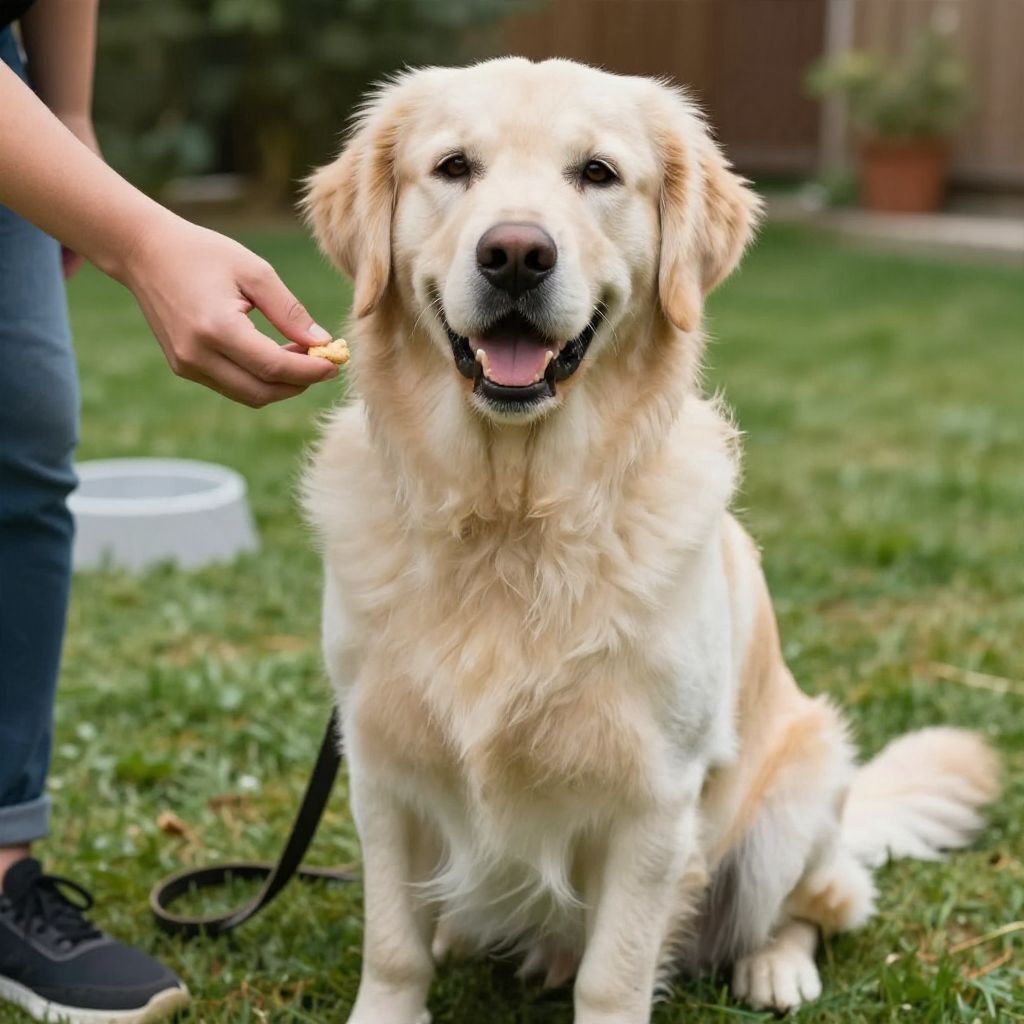
Why do dogs smile? In many cases, what looks like a grin is a relaxed, happy expression, but dogs can also “smile” for other reasons. The meaning depends on the whole body: ears, eyes, tail, posture, and what just happened around your dog.
Sometimes a dog’s open-mouth “smile” is normal and friendly. Other times it can signal stress, heat, pain, or a medical problem, so it helps to look at the full picture before assuming your dog is being cute.
Why do dogs smile?
Dogs usually “smile” when they are relaxed, excited, appeasing, or responding to people in a way that looks socially friendly. A loose mouth, soft eyes, and calm body language often mean comfort, while panting, tension, or unusual facial changes can point to stress, overheating, or illness.
What a normal dog “smile” looks like
A happy or relaxed dog often has an open mouth, loose lips, and a soft expression. The face may look gentle rather than tense, and the rest of the body usually matches that mood.
Common signs of a relaxed expression
- Loose, open mouth
- Soft eyes without a hard stare
- Relaxed ears in their natural position
- Loose body posture
- Tail movement that fits the situation, not stiff or frantic motion
Some dogs also appear to “smile” during greeting, play, or when they anticipate something enjoyable, such as a walk or meal. Individual temperament matters, so one dog may be naturally expressive while another is more reserved.
Why do dogs smile at people?
Dogs are highly social and often learn that certain facial expressions and body language get a positive response from humans. Your dog may open their mouth and look “smiley” because they are excited, seeking attention, or mirroring your calm, friendly energy.
In some cases, dogs learn that this expression leads to petting, praise, or treats. That does not mean they are “faking” emotion; it means they are responding to social cues and reinforcement.
Possible reasons your dog smiles around you
- They feel safe and comfortable
- They are greeting you or another familiar person
- They expect something pleasant
- They are trying to reduce tension in a social situation
- They are panting lightly after activity or excitement
When a dog smile is actually panting
Many owners call panting a smile because the open mouth can look cheerful. Light panting after exercise, warm weather, or excitement is often normal, but heavy panting without an obvious reason deserves attention.
Normal panting usually settles when your dog cools down or relaxes. If it continues at rest, looks effortful, or happens with other symptoms, it may not be a harmless “smile.”
Watch for these differences
- Normal: brief panting after play, warm weather, or excitement
- Concerning: panting at rest, restlessness, drooling, weakness, or vomiting
- Urgent: collapse, blue gums, severe distress, or trouble breathing
Why do dogs smile when they are stressed?
Some dogs show an appeasing expression that can look like a smile when they feel unsure, uncomfortable, or socially pressured. This is not the same as happiness, so it is important not to mistake a stress signal for a friendly grin.
Stress-related facial expressions may happen during vet visits, around unfamiliar dogs, in crowded places, or when a dog feels cornered. The mouth may be open, but the rest of the body often looks tense.
Stress clues to look for
- Yawning when not tired
- Lip licking or tongue flicking
- Whale eye, where the whites of the eyes show
- Stiff body or frozen posture
- Tail tucked, low, or held rigidly
- Trying to move away, hide, or avoid contact
If you notice these signs, give your dog space and reduce the pressure. A calm environment, predictable routines, and reward-based training can help your dog feel safer over time.
Can dogs smile because of pain or illness?
Yes. Changes in facial expression, mouth position, or panting can sometimes be linked to pain, nausea, dental disease, heat stress, or other medical issues. A “smile” is only reassuring when your dog otherwise seems normal and comfortable.
Watch for a sudden change from your dog’s usual expression. If the smile appears with drooling, bad breath, trouble eating, pawing at the mouth, coughing, lethargy, or behavior changes, a veterinary exam is a good idea.
Red flags that need prompt veterinary attention
- Labored breathing or blue/pale gums
- Collapse, severe weakness, or disorientation
- Repeated vomiting or a swollen abdomen
- Facial swelling, hives, or sudden itching
- Eye pain, squinting, or sudden vision changes
- Refusing food or water along with obvious discomfort
Seek urgent veterinary care right away if your dog seems unable to breathe normally, is overheating, collapses, or has sudden swelling of the face or throat.
Breed, age, and individual differences
Some dogs naturally have facial shapes that make them look as if they are smiling more often than others. Breed type, coat, muzzle length, and lip shape can all affect how expressions appear, but these are tendencies, not guarantees.
Puppies may look more expressive as they learn social cues, while older dogs may show fewer exaggerated expressions or more signs of discomfort. Dogs with short muzzles may pant more easily, and dogs with dental or facial pain may hold their mouths differently.
Why individual context matters
- Body structure can change how a face looks
- Age can affect energy, breathing, and expression
- Training history can shape how a dog responds to people
- Health status can alter mouth position and facial tension
- Temperament influences how openly a dog shows emotion
How to tell if your dog is happy, stressed, or unwell
To understand why do dogs smile in a specific moment, look at the entire body, not just the mouth. A happy dog usually looks loose, engaged, and comfortable, while a stressed or sick dog often shows tension, avoidance, or physical symptoms.
Quick body-language check
- Look at the eyes: soft or hard?
- Check the ears: relaxed or pinned back?
- Watch the mouth: loose or tight?
- Notice the body: wiggly or stiff?
- Consider the situation: play, heat, fear, or rest?
If the expression changes only in a specific situation, the environment may be the clue. If it appears suddenly and persists, think about possible discomfort or illness.
What to do if your dog’s smile worries you
If your dog’s “smile” seems unusual, start by observing what else is happening. Remove obvious stressors, offer water and rest, and note whether the expression resolves when your dog settles down.
Do not try to force interaction if your dog looks tense or is trying to move away. Instead, give space and watch for improvement or worsening.
Practical next steps
- Take note of when the expression happens
- Check for heat, exercise, fear, or excitement triggers
- Look for dental, breathing, or eye problems
- Record a short video if the behavior is unusual
- Contact your veterinarian if the change is new, frequent, or paired with symptoms
How to support a dog that smiles from stress
If your dog’s smile is really an appeasement signal, the goal is to reduce pressure and build confidence. Humane, reward-based training works better than punishment because it helps your dog feel safer and more predictable situations become easier to handle.
Helpful approaches
- Use calm, predictable routines
- Reward relaxed behavior with treats or praise
- Increase distance from stressful triggers
- Teach simple cues with positive reinforcement
- Work with a certified trainer or veterinary behaviorist if fear is persistent
Avoid punishment, intimidation, or forcing your dog to “face” something they fear. Those approaches can increase stress and make the expression harder to interpret over time.
When to call the vet
Call your veterinarian if the smiling expression is new, seems painful, or comes with other changes in appetite, breathing, energy, or behavior. A sudden facial change is worth checking, especially in older dogs or dogs with known health issues.
It is especially important to get help if your dog has bad breath, drooling, facial swelling, squinting, coughing, repeated panting at rest, or trouble eating. These signs can point to problems that need treatment rather than simple behavior interpretation.
Bottom line
Dogs “smile” for different reasons, and the meaning depends on the whole situation. A relaxed open mouth can mean happiness, but stress, heat, pain, or illness can look similar, so use body language and symptoms to judge what your dog is telling you.
If you want to learn more about related behavior cues, you may also find how dogs show affection and why dogs smile helpful.