
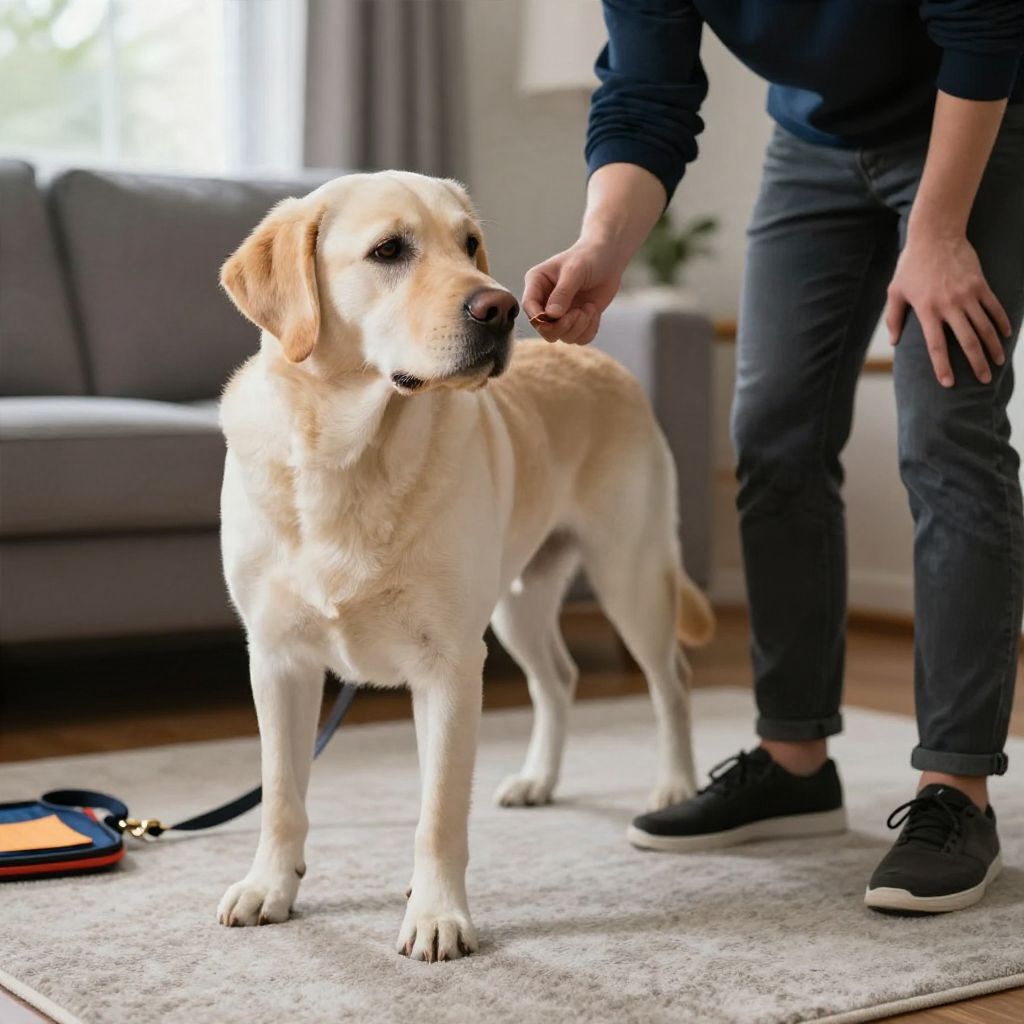
If you’re wondering how to discipline a dog, the goal is not punishment. The safest, most effective approach is to prevent mistakes, reward the behavior you want, and calmly interrupt unwanted behavior before it escalates.
Dogs learn best from consistency, timing, and clear structure. Whether you’re dealing with a puppy, an adult dog, or an older dog with new habits, humane training methods work better than yelling, hitting, or intimidation.
How To Discipline A Dog?
Discipline a dog by teaching clear rules, rewarding good choices, and managing the environment so bad habits are harder to repeat. Use calm interruptions, redirection, and consistent routines. Avoid physical punishment, fear, or shock-based methods, which can worsen behavior and damage trust.
What “Discipline” Should Mean for Dogs
For dogs, discipline means guidance, not revenge. Your job is to help your dog understand what earns attention, treats, play, and access to the things they want.
Most behavior problems improve when you combine three things:
- Management to stop the behavior from being rehearsed
- Training to teach an alternative behavior
- Reinforcement to make the right choice worthwhile
This matters because dogs do not connect punishment with a past action the way people do. If the correction is late, your dog may only learn that you are unpredictable or scary.
Step-by-Step: How To Discipline A Dog the Right Way
1. Identify the exact behavior you want to change
Be specific. “Bad behavior” is too broad, but “jumping on guests,” “stealing food,” or “barking at the window” gives you a clear target.
Also notice when it happens. Many behaviors are triggered by excitement, boredom, fear, hunger, or lack of supervision.
2. Prevent rehearsals of the unwanted behavior
Every time a dog practices a behavior, it becomes more familiar. If your dog keeps counter-surfing, for example, management matters as much as training.
- Use baby gates or closed doors
- Keep food out of reach
- Use a leash indoors if needed for supervision
- Provide a crate or safe confinement area when you cannot watch closely
Prevention is not “giving up.” It is how you stop the habit from getting stronger while you teach something better.
3. Teach a replacement behavior
Instead of only telling your dog what not to do, show them what to do instead. A dog who jumps can learn to sit for attention. A dog who barks at the door can learn to go to a mat.
Useful replacement behaviors include:
- Sit
- Down
- Go to mat or bed
- Look at you
- Drop it
- Leave it
- Come when called
Keep training sessions short, upbeat, and consistent. Reward the behavior quickly so your dog can connect the action with the payoff.
4. Reward what you want more often
Positive reinforcement is the core of effective dog discipline. That can mean treats, praise, toys, sniffing time, a walk, or access to something your dog values.
Reward immediately when your dog makes a good choice. Timing matters more than length of the session.
5. Interrupt calmly, then redirect
If your dog starts doing something inappropriate, interrupt without scaring them. A brief sound, a cheerful “oops,” or simply removing access can be enough.
Then guide your dog to the correct behavior. For example, if your dog mouths your hand, pause play and offer a chew toy. If they jump, turn away and ask for a sit before greeting.
6. Be consistent every time
Dogs learn from patterns. If jumping is allowed sometimes and punished other times, the behavior becomes harder to change.
Make sure everyone in the household uses the same rules, cues, and rewards. Inconsistent responses are one of the biggest reasons training stalls.
What Not To Do When Disciplining a Dog
Some methods may stop behavior briefly, but they often create fear, confusion, or aggression. Avoid these approaches:
- Hitting, kicking, or grabbing roughly
- Shouting or using a harsh, angry tone
- Alpha rolls or dominance-based techniques
- Shock collars or other pain-based tools
- Long “punishment” after the fact
- Rubbing a dog’s nose in accidents
These methods do not teach your dog what to do instead. They can also make a fearful dog more reactive, or a confident dog more defensive.
How To Discipline a Puppy vs. an Adult Dog
Puppies
Puppies need more management because they are still learning impulse control, house rules, and bite inhibition. Short attention spans are normal.
For puppies, discipline should focus on:
- Frequent potty breaks
- Chew toys and teething-safe outlets
- Supervision and confinement when unsupervised
- Rewarding calm behavior
- Gentle redirection from nipping, chewing, and jumping
If you want more puppy-specific guidance, see how to discipline a puppy.
Adult dogs
Adult dogs may already have rehearsed habits for months or years, so change can take longer. Focus on consistency and make sure the behavior is not being accidentally rewarded.
If an adult dog suddenly develops new behavior problems, consider stress, pain, boredom, or a medical issue. A veterinary check is important when a behavior change is sudden or unusual.
Common Behavior Problems and Practical Fixes
Jumping on people
Do not reward jumping with attention, even negative attention. Turn away, withhold greeting, and reward four paws on the floor.
- Ask for a sit before petting
- Use a leash for controlled greetings
- Tell guests to ignore jumping
Mouthing or nipping
Mouthing is common in puppies and some playful adults, but it should be redirected early.
- Stop play briefly when teeth touch skin
- Offer a toy or chew instead
- Reward gentle mouth behavior
If the biting seems intense, fearful, or sudden, seek professional help.
Barking
Barking is often a response to excitement, alerting, boredom, or anxiety. Punishing barking without addressing the cause usually fails.
- Reduce triggers when possible
- Teach a quiet cue
- Reward calm behavior before barking starts
- Increase exercise, enrichment, and rest
If barking is the main issue, you may also find it useful to read how to train a dog to stop barking.
Chewing furniture or household items
Chewing is normal, but the target needs to be appropriate. Dogs often chew more when under-stimulated, teething, anxious, or unsupervised.
- Offer legal chew items
- Rotate toys to keep interest high
- Block access to tempting objects
- Use crate training or a safe room when needed
House-soiling
Accidents should be managed, not punished. If your dog eliminates indoors, clean thoroughly and return to a stricter potty routine.
- Take your dog out more often
- Reward outdoor elimination immediately
- Supervise indoors closely
- Rule out medical causes if accidents are new
How Age, Breed, and Temperament Affect Discipline
Dogs are individuals. Breed tendencies, size, energy level, and temperament can influence how quickly a dog learns or how much exercise and structure they need, but they do not determine behavior on their own.
For example, a high-energy dog may need more enrichment and exercise to settle, while a sensitive dog may shut down with harsh handling. Older dogs may learn new habits too, but pain or reduced mobility can affect behavior and should be considered.
Tailor your approach to your dog’s needs rather than assuming all dogs of a breed will respond the same way.
When Discipline Problems May Be a Medical Issue
Sometimes what looks like disobedience is actually discomfort or illness. A dog in pain may snap, resist handling, avoid stairs, or seem less tolerant than usual.
Contact your veterinarian if behavior changes are sudden or you notice:
- New aggression or irritability
- House-soiling after being reliably trained
- Excessive thirst or urination
- Lethargy, appetite changes, or vomiting
- Signs of pain, limping, stiffness, or trouble rising
Urgent veterinary care is needed if your dog has severe pain, collapse, trouble breathing, repeated vomiting, seizures, or a sudden dangerous behavior change with possible injury or toxin exposure.
How To Make Discipline Work Long Term
The best results come from routine. Dogs do well when they know what to expect and what earns rewards.
- Use the same cues every time
- Practice in short sessions
- Reward calm behavior throughout the day
- Give enough exercise and mental enrichment
- Manage the environment so success is easy
Training is not only for formal sessions. Every meal, walk, greeting, and playtime can reinforce good habits.
When to Get Professional Help
If you are dealing with aggression, fear, separation anxiety, repeated escape attempts, or behavior that feels unsafe, work with a certified trainer who uses reward-based methods. For more complex cases, a veterinary behaviorist can help identify medical and behavioral causes together.
Professional help is also wise if you have tried consistent training for several weeks and see little improvement, or if the problem is getting worse.
Conclusion
To discipline a dog effectively, stay calm, prevent rehearsals, reward the behavior you want, and redirect unwanted behavior without fear or pain. With consistency and patience, most dogs learn better habits and build trust with you at the same time.