
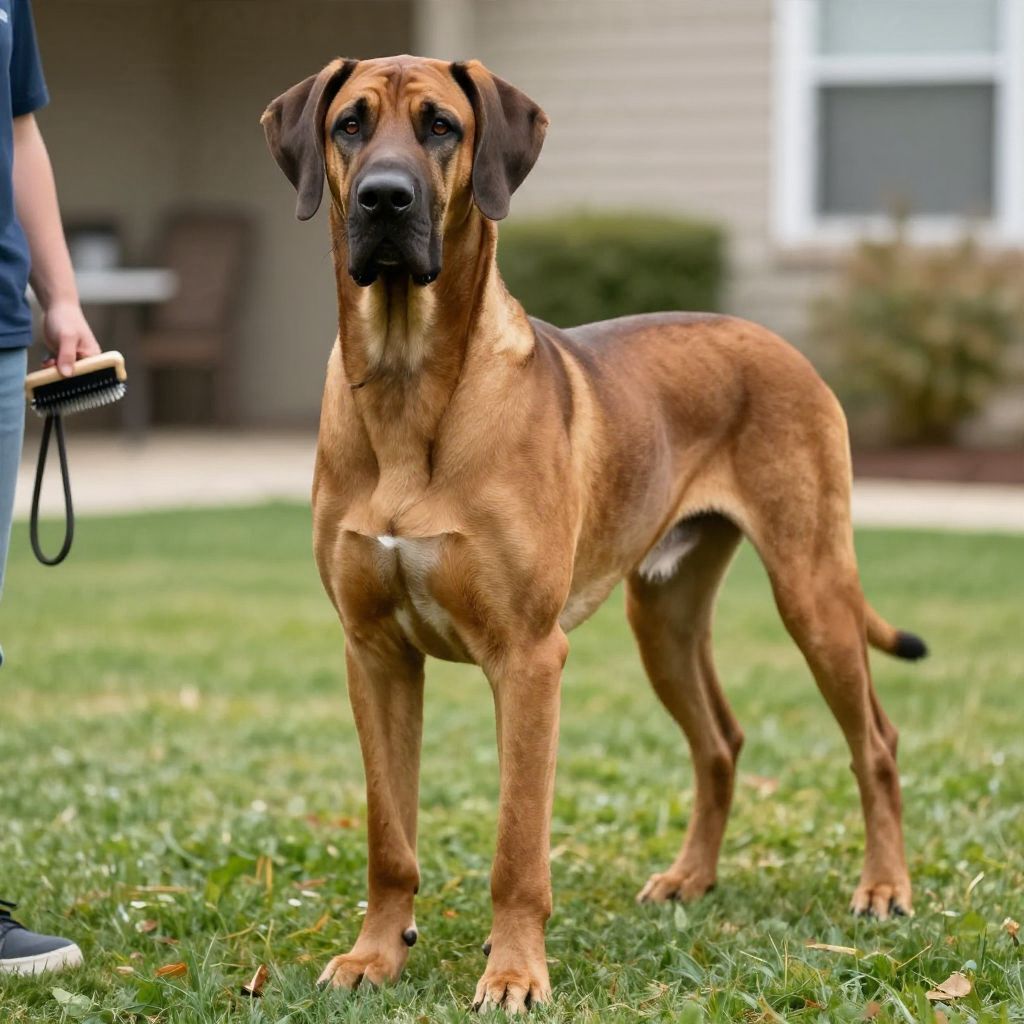
What breed of dog is Scooby Doo? Scooby-Doo is usually portrayed as a Great Dane, though he is a highly stylized cartoon version rather than an exact real-life dog. His appearance borrows from the breed’s tall build, long legs, and large frame, but his personality is exaggerated for comedy.
If you are wondering whether a real Great Dane would act like Scooby, the answer is no. Individual dogs vary a lot, and breed tendencies only give a general idea of size, temperament, exercise needs, and care.
What Breed Of Dog Is Scooby Doo?
Scooby-Doo is generally identified as a Great Dane. The character’s tall body, long limbs, and oversized paws match the breed’s look, but his goofy, talkative, food-loving personality is a cartoon exaggeration. Real Great Danes are usually gentle, social dogs, but each one has an individual temperament.
Why Scooby-Doo Is Considered a Great Dane
The clearest clue is his silhouette. Great Danes are known for a large, lean, towering build, and Scooby’s design reflects that more than any other breed.
His name also fits the breed association. Over time, fans and creators have consistently treated him as a Great Dane, even though he is drawn with features that are more playful and exaggerated than realistic.
Traits that point to Great Dane inspiration
- Large, tall frame
- Long legs and big paws
- Short coat
- Friendly, comical personality
- Goofy body language and expressive face
What Real Great Danes Are Usually Like
Real Great Danes are often described as affectionate, calm, and people-oriented. Many are loving house dogs that enjoy being near their families, but they still need training, structure, and enough daily activity.
That said, no breed is guaranteed to behave a certain way. A Great Dane’s temperament depends on genetics, early socialization, training, health, and the individual dog’s life experience.
Typical Great Dane tendencies
- Friendly or social with people when well socialized
- Moderate exercise needs compared with some working breeds
- Large size that requires careful handling and management
- Potential for clumsiness, especially as a young dog
- Need for consistent, reward-based training
How Scooby-Doo’s Personality Differs From a Real Dog
Scooby is designed for humor, so he acts much more exaggerated than a typical dog. He talks, solves mysteries, shows human-like fear, and has an outsized love of snacks. Real dogs communicate through body language, vocalizations, and behavior, not speech.
If you live with a Great Dane, you may notice some playful goofiness, but you should not expect cartoon behavior. Your dog’s confidence, energy level, and sociability may look very different from another Great Dane’s.
Care Considerations If You Want a Dog Like Scooby
If you are drawn to Scooby’s look and want a similar breed, a Great Dane can be a rewarding companion for the right home. Their size makes everyday care more demanding than many people expect.
Space and safety
- Provide enough room for a large dog to move safely indoors.
- Use sturdy leashes, collars, and harnesses sized for a giant breed.
- Prevent jumping on people or furniture if that could cause injury.
- Keep walkways clear to reduce slipping and accidental bumps.
Training and manners
Training matters even more with a giant dog because small behavior problems become bigger safety issues when the dog is large. Use positive reinforcement, short sessions, and consistent rules.
- Teach loose-leash walking early.
- Practice polite greetings to reduce jumping.
- Reinforce recall and calm settling.
- Use management tools, such as baby gates, when needed.
Exercise and enrichment
Great Danes usually need regular exercise, but the right amount varies by age and health. Puppies should not be overworked, and adults should avoid intense activity right after eating because large, deep-chested dogs can be at risk for serious stomach problems.
- Offer daily walks and gentle play.
- Include scent games, puzzle feeders, and training drills.
- Adjust activity for weather, age, and joint health.
- Stop exercise if your dog seems tired, stiff, or uncomfortable.
Feeding and Body Condition for a Large Breed Dog
Because Scooby is modeled after a Great Dane, it is worth noting that giant breeds need thoughtful feeding. A balanced diet for growth and maintenance is important, especially during puppyhood when rapid growth can affect bones and joints.
Do not overfeed in an attempt to make a large dog “fill out.” Extra weight can strain joints and make movement harder. Your veterinarian can help you monitor body condition and choose an appropriate diet for your dog’s age and lifestyle.
Helpful feeding habits
- Feed measured meals rather than free-feeding when possible.
- Choose a diet appropriate for your dog’s life stage.
- Use treats sparingly during training.
- Ask your vet before changing diets for growth, weight loss, or sensitive stomach issues.
Grooming and Coat Care
Scooby’s short coat resembles the easy-care coat of a Great Dane. In general, short-coated dogs need less trimming than long-coated breeds, but they still benefit from regular brushing and basic hygiene.
- Brush weekly or as needed to remove loose hair.
- Check ears, nails, teeth, and skin routinely.
- Trim nails before they become overgrown.
- Clean facial folds or drool-prone areas if your dog has them.
Even low-maintenance coats can hide skin irritation, parasites, or lumps, so regular hands-on checks are important.
Health Issues to Know About in Great Danes
Not every Great Dane will develop serious health problems, but giant breeds have some concerns that deserve attention. A veterinarian familiar with large dogs can help you monitor growth, mobility, digestion, and overall wellness.
Common areas of concern
- Joint and bone stress
- Heart disease
- Bloat or gastric dilatation-volvulus risk
- Growth-related issues in puppies
- Weight management challenges
Seek urgent veterinary care immediately if your dog has a swollen abdomen, repeated unproductive retching, sudden collapse, pale gums, severe weakness, or signs of extreme pain. These can be emergencies.
Is a Great Dane a Good Match for Your Home?
A Great Dane may suit you if you want a gentle, affectionate dog and you are prepared for giant-breed care. They often do best with owners who can provide training, supervision, and enough space for safe movement.
They may be less suitable if you want a very low-maintenance dog, have limited room, or cannot comfortably manage a large, powerful animal on leash.
Before bringing one home, ask yourself
- Can I handle a very large dog safely?
- Do I have time for training and daily exercise?
- Can I afford food, vet care, and possible size-related expenses?
- Is my home set up for a giant breed?
- Am I ready for a dog that may need special health monitoring?
Common Mistakes People Make With Great Danes
Because Scooby-Doo makes giant dogs look easygoing and silly, people sometimes underestimate how much care a Great Dane needs. Avoiding a few common mistakes can make life safer and easier for both you and your dog.
- Skipping early training because the puppy is “cute”
- Allowing jumping or rough play that could injure people
- Overfeeding or using too many treats
- Ignoring signs of stiffness, discomfort, or digestive trouble
- Expecting every Great Dane to be naturally calm without guidance
When to Talk to a Veterinarian or Trainer
Contact your veterinarian if you have questions about growth, diet, exercise limits, limping, vomiting, or changes in appetite or behavior. For training concerns, a certified positive-reinforcement trainer or veterinary behaviorist can help with fear, reactivity, or difficult manners.
If your dog is large and young, early support is especially useful. Good habits are easier to build before they become hard-to-manage patterns.
So, what breed of dog is Scooby Doo? He is best known as a Great Dane, but he is a cartoonized version of the breed. If you want a real-life dog with a similar look or vibe, focus on responsible breeding, early training, and breed-appropriate care. For more background, you may also find Is Scooby Doo a Great Dane? and What Dog Is Scooby Doo? helpful.