
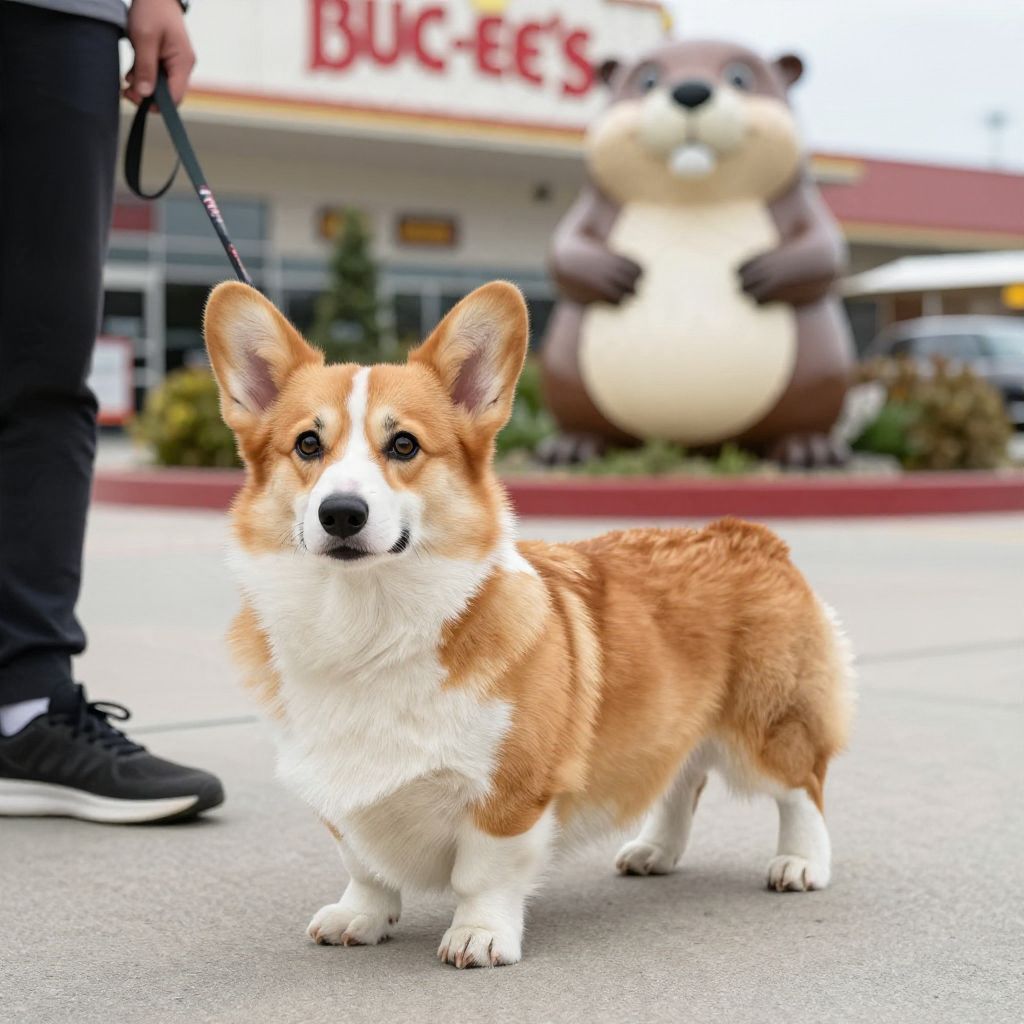
If you’re wondering what animal Buc-ee’s is, the answer is a beaver. The chain’s mascot is a cartoon beaver, and that image is used in logos, merchandise, and store branding.
For dog owners, the main concern is usually not the mascot itself but whether a dog can safely encounter Buc-ee’s-related snacks, smells, crowds, or travel routines. A little planning helps keep your dog calm and safe around busy stops.
What Animal Is Buc Ee’S?
Buc-ee’s is a beaver. The character is a friendly, stylized beaver mascot used by the travel center brand, and it appears on signs, products, and advertisements. If you’re asking because you saw the logo while traveling with your dog, the mascot itself is harmless; the real dog-care issues are heat, crowds, food access, and leash safety.
Why This Matters for Dog Owners on the Road
Travel stops can be stressful for many dogs, especially puppies, seniors, anxious dogs, and dogs that are still learning leash manners. A busy place with constant foot traffic, doors opening and closing, and tempting food smells can overwhelm some dogs quickly.
If you plan to stop at a crowded travel center, think first about your dog’s comfort and safety. Not every dog enjoys the same environment, and breed alone does not predict how a dog will handle noise, strangers, or stimulation.
Before You Bring Your Dog Into a Busy Stop
Some dogs can handle a short, calm stop well. Others do better staying in the car with proper ventilation and supervision, or skipping the stop entirely if the environment is too intense.
Signs your dog may be stressed
- Excessive panting when it is not hot
- Yawning, lip licking, or turning away
- Pulling hard on the leash
- Whining, barking, or pacing
- Tucked tail, crouching, or freezing
If you see these signs, shorten the visit and give your dog a quieter break. Forcing a nervous dog to “get used to it” in a crowded place can make the problem worse.
Simple prep that helps
- Use a secure leash and well-fitted harness.
- Bring water and a collapsible bowl.
- Keep your dog leashed at all times.
- Choose potty breaks away from traffic and footpaths.
- Plan for a quick in-and-out visit rather than a long stay.
Dog Safety Around Food, Trash, and Store Traffic
Travel stops often have dropped food, wrappers, and trash that can tempt dogs. Some human foods are unsafe for dogs, and even safe foods can cause stomach upset if your dog grabs too much.
Common hazards to watch for
- Chocolate, xylitol, grapes, raisins, onions, and garlic
- Greasy or very salty snacks
- Bones, skewers, foil, and wrappers
- Hot drinks or spilled food on the ground
- Trash cans your dog can reach
Keep your dog close and do not let them scavenge. If your dog eats something questionable, contact your veterinarian or a pet poison resource promptly, especially if the item may be toxic or could cause choking or blockage.
What to Do If Your Dog Gets Overexcited
Some dogs become jumpy, vocal, or mouthy in stimulating places. This is often a sign of arousal, not “bad behavior.” The goal is to lower the excitement level and guide better choices.
Helpful training tools and habits
- Reward calm walking and loose leash behavior
- Practice short stays near distractions before long trips
- Use high-value treats for attention and recall
- Step away from the busiest areas when your dog starts to escalate
Reward-based training works better than punishment for most dogs and helps build trust. If your dog regularly struggles in public spaces, a certified trainer or veterinary behaviorist can help you build a plan.
Can Puppies or Senior Dogs Handle Busy Stops?
Age matters. Puppies may be curious but also easily overwhelmed, and they are still learning impulse control and social skills. Senior dogs may tire faster, be less tolerant of heat, or have hearing, vision, or joint issues that make busy environments harder.
Puppy considerations
- Keep visits short
- Avoid overwhelming greetings from strangers
- Focus on calm exposure, not constant interaction
- Watch for potty needs and fatigue
Senior-dog considerations
- Give extra time for slow walking and bathroom breaks
- Avoid slippery floors and crowded entrances when possible
- Bring any needed support gear, such as a harness or sling
- Do not assume they can tolerate heat the way a younger dog can
Individual health matters more than age alone. A healthy older dog may do fine on a short stop, while a young dog with anxiety may need a quieter plan.
Heat, Cars, and Rest Stops: The Biggest Safety Issue
One of the most important dog-care concerns on road trips is temperature. A parked car can become dangerous very quickly, even on days that do not feel extremely hot to you.
Never leave your dog alone in a vehicle if you are unsure about safe temperature, ventilation, or how long you’ll be gone. If you must make a stop, plan so your dog is never left unattended in risky conditions.
Watch for heat stress
- Heavy panting
- Bright red or very pale gums
- Weakness or wobbliness
- Vomiting or collapse
Heatstroke is an emergency. If your dog seems overheated, seek urgent veterinary help immediately rather than waiting to see if they improve.
How to Make a Travel Stop Easier for Your Dog
A good stop is one that meets your dog’s basic needs without overstimulating them. The best plan depends on your dog’s size, age, temperament, and training history.
Practical travel checklist
- Water and bowl
- Leash and harness
- Waste bags
- Treats for reinforcement
- Towel or mat for a quick rest spot
If your dog is reactive around people or other dogs, choose quieter entry points and keep distance. If your dog is still learning, practice short, low-pressure outings before attempting a busy travel center.
Common Mistakes Dog Owners Make at Busy Stops
Many problems come from assuming a dog will “just be fine” because the stop is brief. Even a short visit can go wrong if you overlook your dog’s stress level or safety risks.
- Letting your dog greet everyone who asks
- Allowing scavenging near food courts or trash
- Using a retractable leash in crowded areas
- Ignoring signs of fear or overstimulation
- Leaving the dog in a hot or poorly ventilated car
Small changes make a big difference. Calm handling, good equipment, and a realistic plan usually matter more than the length of the stop.
When to Call a Veterinarian
Most travel-stop issues are manageable, but some signs need professional help. Contact your veterinarian if your dog vomits repeatedly, has diarrhea that does not improve, seems painful, or may have eaten something unsafe.
Get urgent veterinary care right away if your dog collapses, has trouble breathing, has a bloated abdomen, cannot stand, has a seizure, or may be suffering from heatstroke or poisoning.
Bottom Line for Dog Owners
Buc-ee’s is a beaver mascot, but the dog-care question is really about safe travel habits. Keep your dog leashed, watch for stress, avoid food hazards, and never ignore heat risks. If your dog struggles in busy places, shorten the stop or skip it and choose a calmer option.
If you like learning about unusual mascots and brand characters, you may also enjoy what animal is Cinnamoroll and what is the Geico gecko’s name.