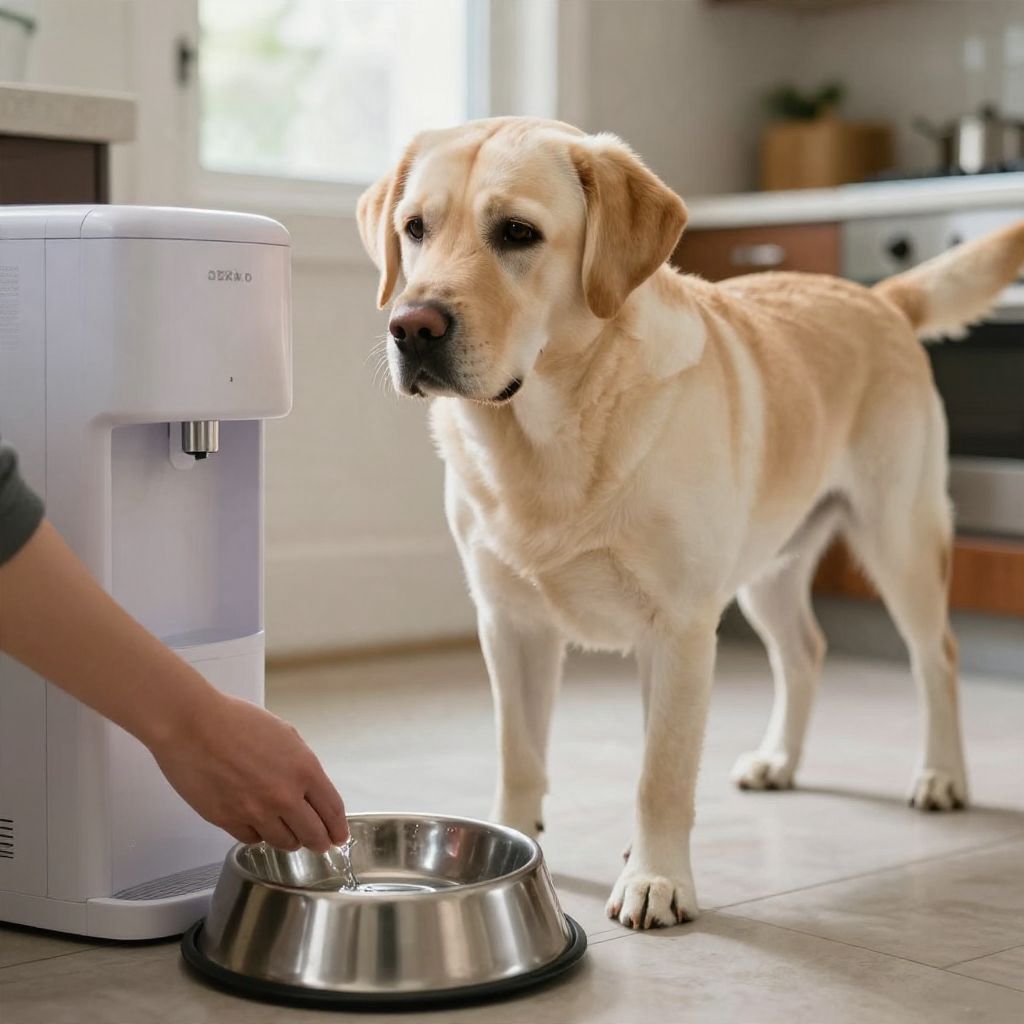
If you’re asking how long dogs can go without water, the safest answer is: not long. Most dogs should have access to fresh water at all times, and even a short period without it can become risky in hot weather, after exercise, or if your dog is ill.
How quickly dehydration becomes dangerous depends on your dog’s age, size, health, activity level, and environment. If your dog has not drunk for many hours and seems unwell, contact your veterinarian promptly.
How long can dogs go without water?
Most dogs should not go more than 12 to 24 hours without drinking, and some need water much sooner. Puppies, senior dogs, small dogs, and dogs with medical problems can become dehydrated faster. If your dog is refusing water or cannot keep it down, treat it as a health concern.
What affects how quickly a dog becomes dehydrated?
There is no single safe timeline for every dog. The risk changes based on your dog’s body and the situation.
Age and life stage
- Puppies dehydrate faster because they are smaller and have less reserve.
- Senior dogs may be more vulnerable if they have kidney disease, dental pain, or other chronic issues.
- Pregnant or nursing dogs may need more water than usual.
Body size and activity
- Small dogs can show dehydration sooner because they have less total body water.
- Active dogs, working dogs, and dogs that have been exercising need water more often.
- Dogs in hot, humid, or poorly ventilated spaces can lose fluid quickly.
Health and diet
- Vomiting, diarrhea, fever, and heavy panting increase fluid loss.
- Kidney disease, diabetes, and some other illnesses can change thirst and hydration needs.
- Dogs eating dry food may drink more than dogs eating wet food, but every dog still needs free access to water.
Signs your dog may be getting dehydrated
Early dehydration can be subtle. Watch for changes in behavior, energy, and body condition.
- Dry or tacky gums
- Thick saliva
- Lethargy or weakness
- Sunken-looking eyes
- Loss of appetite
- Reduced urination or very dark urine
- Panting more than usual
A simple at-home clue is whether your dog’s gums feel moist and slick. If they feel dry or sticky, your dog may already need veterinary attention, especially if other symptoms are present.
When is it an emergency?
Some situations need urgent veterinary care right away. Do not wait to “see if it improves” if your dog is not drinking and also has concerning symptoms.
- Repeated vomiting or diarrhea
- Collapse, severe weakness, or trouble standing
- Heavy panting, overheating, or suspected heatstroke
- Bloated abdomen or signs of severe pain
- Confusion, staggering, or seizures
- Very pale gums or signs of shock
- Refusal to drink for many hours plus obvious illness
If your dog may have heatstroke, this is an emergency. Get veterinary help immediately while beginning safe cooling measures as advised by a professional.
What to expect as a dog goes without water
The effects usually progress from mild to serious. The exact timing varies, but the pattern is similar.
First several hours
Your dog may seem normal at first, especially if resting in a cool environment. You might notice less interest in drinking, a little fatigue, or slightly dry gums.
Within a day
Dehydration can become more noticeable. Your dog may be sluggish, have darker urine, or seem less interested in food and play. If your dog is also losing fluid through panting, vomiting, or diarrhea, the decline can be faster.
Beyond a day
Risk rises sharply. Dehydration can affect circulation, kidney function, and temperature regulation. A dog who has gone this long without water may need veterinary assessment even if they seem only mildly affected.
What to do if your dog hasn’t been drinking
Start by checking whether there is a simple reason, then act quickly if your dog still will not drink or seems unwell.
- Offer fresh, clean water in a quiet place.
- Make sure the bowl is easy to reach and not placed near something stressful.
- Try a different bowl if your dog is sensitive to material, shape, or noise.
- Provide water after exercise, walks, or time outdoors.
- Monitor for vomiting, diarrhea, panting, or unusual tiredness.
Do not force water into your dog’s mouth if they are weak, vomiting, or having trouble swallowing. That can increase the risk of aspiration. If your dog refuses water for a prolonged period, call your veterinarian.
Why a dog may not drink water
Sometimes the issue is behavioral or environmental, but medical causes are common and important to rule out.
- Stress, travel, or a change in routine
- Dirty water or an unappealing bowl
- Mouth pain or dental disease
- Nausea, fever, or gastrointestinal illness
- Kidney, liver, or metabolic disease
- Medication side effects
If your dog is normally a good drinker and suddenly stops, that change matters. Sudden refusal to drink is more concerning than a dog who simply drinks less on a cool, quiet day.
How to encourage safe drinking
These steps can help if your dog is otherwise acting fairly normal and you are waiting to speak with your vet.
- Refresh the water often.
- Use a clean bowl and wash it daily.
- Place water in more than one location.
- Offer water after walks, play, and meals.
- For some dogs, a pet fountain encourages drinking because the moving water is more appealing.
If your dog seems nauseated, weak, or painful, focus on veterinary care rather than trying multiple home fixes. The underlying cause matters more than the amount of water you can persuade them to drink.
Special situations that increase risk
Hot weather and exercise
Dogs can dehydrate quickly in heat, especially if they are panting heavily or have been active. Bring water on walks, limit exercise in hot conditions, and watch for signs of overheating.
Vomiting or diarrhea
Fluid loss from the stomach or intestines can become serious fast. If your dog is vomiting, has diarrhea, or cannot keep water down, contact your veterinarian promptly.
Travel, boarding, or stress
Some dogs drink less when anxious or in a new place. Keep water available, maintain routines when possible, and let the caregiver know your dog’s normal drinking habits.
Dental pain or mouth injury
A sore mouth can make drinking uncomfortable. If your dog drops food, paws at the mouth, or avoids hard kibble and water, a veterinary exam is a good idea.
Common mistakes to avoid
- Assuming a dog can “wait until later” if they seem quiet
- Ignoring reduced drinking after vomiting, diarrhea, or heat exposure
- Forcing large amounts of water into the mouth
- Using dehydration as a reason to delay veterinary care
- Relying on a dog to “self-regulate” in hot weather without easy access to water
When to call your veterinarian
Contact your veterinarian if your dog has not drunk for many hours, is drinking much less than usual, or has any signs of illness. Call sooner for puppies, seniors, and dogs with chronic disease.
Seek urgent care if your dog is weak, vomiting, having diarrhea, overheating, or showing signs of dehydration. If you are unsure, it is safer to call and describe what you are seeing than to wait.
The bottom line
Most dogs should not go more than 12 to 24 hours without water, and many need help much sooner if they are young, old, sick, active, or in heat. If your dog is refusing water or showing dehydration signs, contact your veterinarian promptly.
If you want to learn more about related warning signs, you may also find it helpful to read about why a dog may be breathing heavily or what to do if your dog is throwing up.