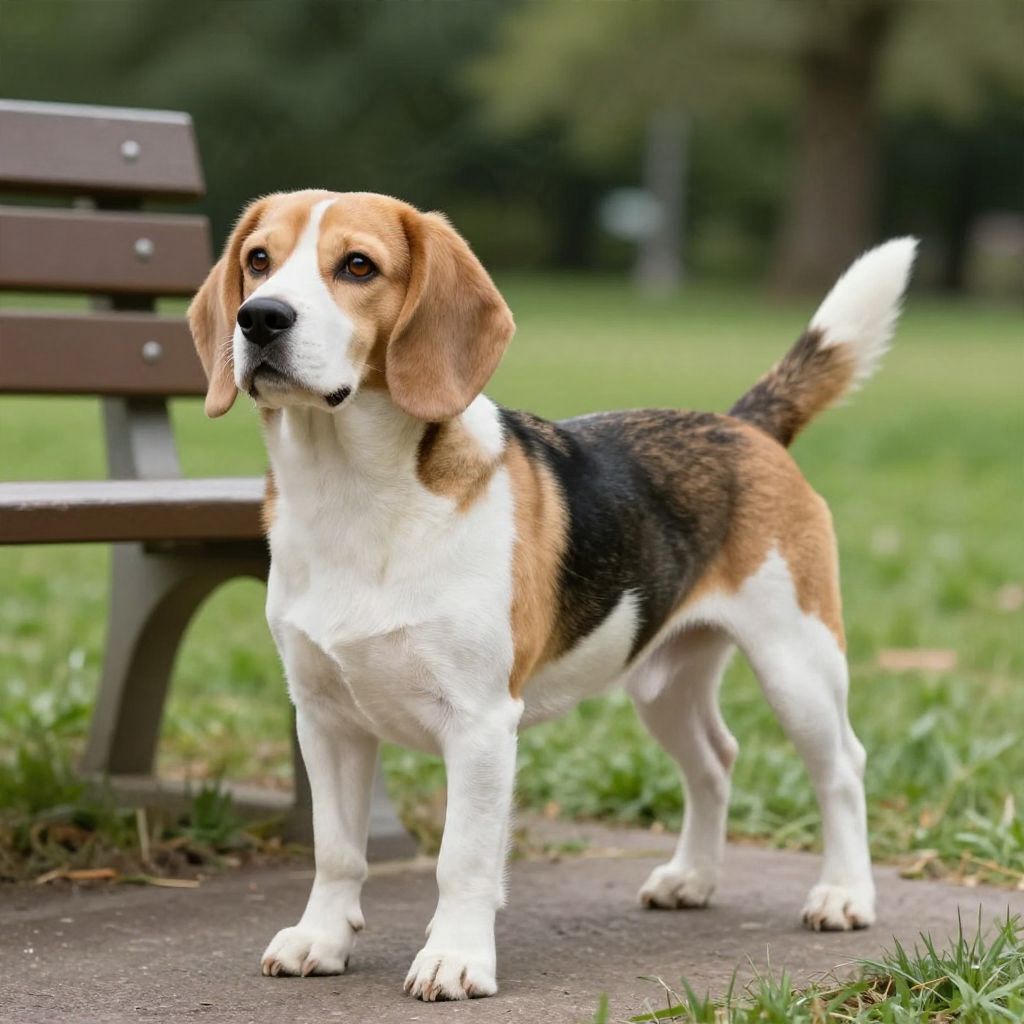
If you’re asking what breed Snoopy is, the short answer is that he is usually described as a beagle. In the Peanuts comics, Snoopy’s look and personality are inspired by a beagle, though he is a fictional character with exaggerated traits.
That means you can use beagle care as a helpful guide for understanding Snoopy’s “breed,” but remember that real dogs vary a lot. A dog’s behavior, exercise needs, and training response depend on the individual, not just the breed label.
What breed is Snoopy?
Snoopy is widely recognized as a beagle. His floppy ears, compact body, and curious, scent-driven personality all reflect classic beagle traits, even though the character is stylized and not meant to be a perfect real-life example of the breed.
Why Snoopy is associated with beagles
Charles M. Schulz modeled Snoopy after a beagle because the breed was familiar, expressive, and easy for readers to recognize. Over time, Snoopy became one of the most famous fictional dogs in the world, and many people now use him as a reference point when thinking about beagles.
Typical beagle traits seen in Snoopy
- Alert and curious: Beagles are often interested in scents, sounds, and activity around them.
- Friendly appearance: Their soft expression and floppy ears make them look approachable and cheerful.
- Energetic personality: Many beagles enjoy activity, play, and exploring.
- Independent streak: Scent hounds may focus strongly on smells, which can make training feel different from training a more handler-focused breed.
These are general tendencies, not guarantees. A well-socialized beagle may be very easygoing, while another may be more vocal, more intense, or more reserved.
What real beagles are usually like
If you are considering a beagle, it helps to know that the breed is often described as affectionate, playful, and scent-focused. Many beagles enjoy companionship and do well with active families, but they also need structure, patience, and daily enrichment.
Temperament
Beagles are commonly social dogs, but individual temperament varies with genetics, early experiences, and training. Some are outgoing with strangers, while others are more cautious or more excitable.
- They often enjoy being near people.
- They may be food-motivated, which can help training.
- They can become bored if under-exercised or under-stimulated.
- They may be vocal, especially when excited or alerting to something interesting.
Exercise and enrichment needs
Beagles usually need regular physical activity and mental work. A walk alone may not be enough if your dog is energetic or young. Sniffing games, puzzle feeders, and short training sessions can be especially rewarding for a scent hound.
- Provide daily walks or active play.
- Use scent-based games, such as hiding treats around the house.
- Rotate toys to keep interest high.
- Practice recall in safe, enclosed areas.
How to care for a beagle-like dog
If your dog resembles Snoopy in breed or personality, practical care should focus on exercise, enrichment, grooming, and positive training. The exact routine should match your dog’s age, health, and energy level.
Training tips
Beagles often respond well to reward-based training because many are highly motivated by food and praise. Keep sessions short, consistent, and fun.
- Reward the behavior you want immediately.
- Use high-value treats in distracting environments.
- Practice one skill at a time.
- Build recall carefully, especially outdoors where scents can be distracting.
Avoid punishment-based methods. They can damage trust and do not address the underlying reason for unwanted behavior.
Grooming
Beagles typically have short coats that are relatively easy to maintain, but they still benefit from regular brushing. Grooming also gives you a chance to check ears, skin, nails, and body condition.
- Brush weekly or as needed to reduce loose hair.
- Check ears for redness, odor, or debris.
- Trim nails regularly if they do not wear down naturally.
- Monitor for skin irritation, especially if your dog scratches often.
Feeding and weight management
Many beagles are enthusiastic eaters, so portion control matters. Overfeeding can contribute to weight gain, which may strain joints and reduce activity tolerance.
- Feed a complete and balanced dog food appropriate for your dog’s life stage.
- Measure meals rather than free-feeding unless your veterinarian advises otherwise.
- Use treats sparingly and count them as part of daily calories.
- Ask your veterinarian if you are unsure about your dog’s ideal weight.
Common health and behavior issues to watch for
Not every beagle will develop the same problems, but some concerns are worth watching closely. Early attention can make care easier and improve quality of life.
Ear problems
Floppy ears can trap moisture and debris, which may raise the risk of ear irritation or infection. Watch for head shaking, odor, redness, discharge, or repeated scratching.
Weight gain
Because many beagles love food, they can gain weight easily if meals and treats are not managed carefully. If your dog seems less active, pants more than usual, or has trouble with stairs, ask your veterinarian about body condition and diet.
Boredom and destructive behavior
A bored beagle may chew, dig, bark, or try to escape. These behaviors are often a sign that your dog needs more exercise, enrichment, supervision, or training—not punishment.
- Increase structured activity.
- Provide safe chew toys.
- Use puzzle feeders and scent games.
- Manage access to tempting areas until habits improve.
Is Snoopy’s breed the same as a real beagle?
Not exactly. Snoopy is a fictional character, so he has personality traits that are larger than life. Real beagles are still wonderful companions, but they are individual dogs with real needs, limits, and health considerations.
If you are choosing a dog because you love Snoopy, spend time with actual beagles first. Meeting adult dogs and talking with a breeder, rescue, or shelter can help you understand whether the breed fits your home and routine.
When to contact a veterinarian
Routine breed questions are one thing, but health concerns should always be taken seriously. Contact a veterinarian if your dog has ongoing itching, ear odor, vomiting, diarrhea, coughing, limping, sudden behavior changes, or unexplained weight gain or loss.
Seek urgent veterinary care if your dog has trouble breathing, collapses, has repeated vomiting, a swollen abdomen, seizures, severe bleeding, or a suspected toxin exposure. Do not wait and see with emergency signs.
Should you get a beagle?
A beagle may be a good fit if you want a friendly, active dog and you are prepared for consistent training and daily enrichment. They are often a better match for people who enjoy walks, games, and hands-on companionship than for those wanting a very low-maintenance pet.
- Good for active households
- May need extra patience with recall training
- Often enjoy scent work and interactive games
- Need help staying at a healthy weight
If you want to learn about other famous fictional dogs, you may also enjoy reading about what kind of dog Bolt is or what kind of dog Lassie was.
In short, Snoopy is generally considered a beagle. If you love that breed, focus on the real-world needs behind the look: exercise, scent-friendly enrichment, positive training, and regular vet care.