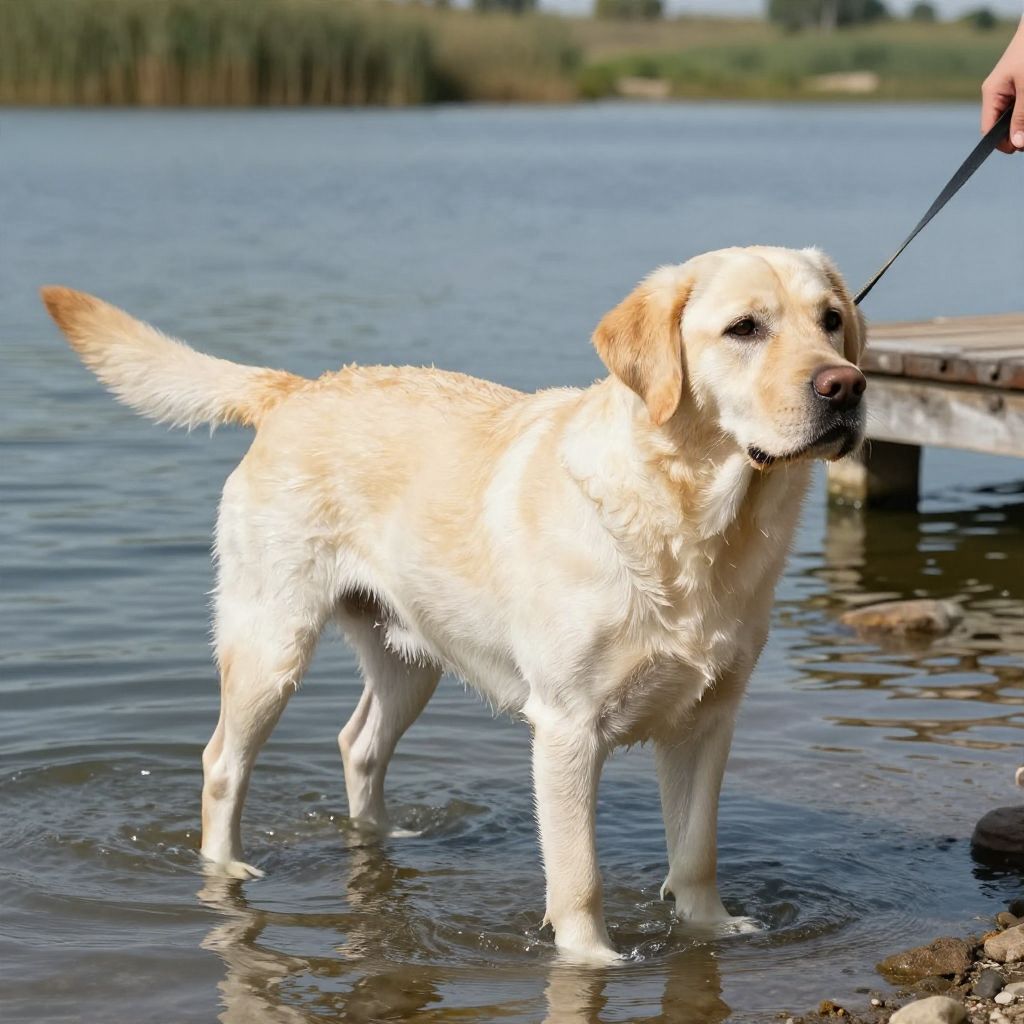
Can all dogs swim? Not automatically. Many dogs can paddle in water, but swimming ability varies by body shape, age, health, confidence, and experience.
Some dogs take to water naturally, while others need careful introduction or should avoid deep water altogether. Even strong swimmers can tire quickly, so safety matters every time your dog is near a pool, lake, river, or ocean.
Can all dogs swim?
No. While many dogs can move in water, not all dogs are safe or capable swimmers. Breed type, body structure, fitness, age, and temperament all affect whether a dog can swim well, stay afloat comfortably, or handle waves, currents, and fatigue.
Why some dogs swim easily and others do not
Dogs are individuals, but certain physical traits can make swimming easier or harder.
Body shape and build
- Dogs with balanced proportions and lighter front ends often find it easier to keep their heads up.
- Dogs with very heavy chests, short legs, or long bodies may struggle to stay level in the water.
- Dogs with flat faces can have a harder time breathing comfortably while swimming.
Age and fitness
- Puppies may not have the coordination or stamina for safe swimming.
- Senior dogs may tire faster or have arthritis that makes water entry and exit difficult.
- Overweight dogs often work harder in the water and may fatigue sooner.
Confidence and experience
- Some dogs are naturally cautious around water.
- Others may panic if they slip in unexpectedly.
- Positive early experiences can help, but they do not guarantee safe swimming later.
Signs your dog may not be a strong swimmer
Watch for signs that your dog is uncomfortable or struggling in water. These clues matter whether your dog is a beginner or has swum before.
- Paddling frantically without moving forward
- Holding the head very high or low
- Rapid breathing or obvious panic
- Trying to climb on you or the side of the pool
- Slipping under the surface or rolling to one side
- Refusing to enter the water or freezing at the edge
If you see these signs, end the session calmly and help your dog out right away.
Which dogs may need extra caution around water?
Some dogs are more likely to need close supervision, limited time in water, or alternative exercise.
- Flat-faced dogs: Breathing can be more difficult during exertion.
- Very small dogs: Waves, cold water, and fatigue can affect them quickly.
- Heavy-bodied or short-legged dogs: They may have trouble staying balanced.
- Dogs with mobility issues: Arthritis, hip problems, or spinal conditions can make swimming unsafe or uncomfortable.
- Dogs with fear or trauma: Forcing water exposure can worsen anxiety.
That said, no breed is guaranteed to be a good or bad swimmer. Individual health and training matter just as much as appearance.
How to introduce your dog to water safely
If your dog has never swum before, start slowly and keep the experience positive. The goal is comfort, not distance or speed.
- Choose calm, shallow water with an easy exit.
- Use a well-fitting canine life jacket for added support.
- Let your dog explore at their own pace.
- Reward relaxed behavior with praise and treats.
- Stay close and support your dog if they seem unsure.
- Keep the first sessions short.
Never throw your dog into water to “teach” swimming. Sudden immersion can cause panic and make water fear worse.
What a good first session looks like
- Your dog enters willingly or with mild encouragement.
- They paddle calmly for a short time.
- They can reach the shore, steps, ramp, or shallow edge easily.
- They recover quickly and seem relaxed afterward.
Safety tips every dog owner should know
Even dogs that swim well need protection. Water hazards can change quickly, and a confident dog can still get into trouble.
- Supervise at all times, even in shallow water.
- Use a life jacket for boating, deep water, strong currents, or inexperienced swimmers.
- Make sure there is a safe way out of the water, such as steps, a ramp, or a gradual shore.
- Rinse your dog after swimming in pools, lakes, rivers, or salt water.
- Dry ears and coat as needed, especially in dogs prone to ear problems.
- Offer fresh water so your dog does not drink unsafe water.
Water environments can differ a lot
- Pools: Watch for slippery edges and chemical irritation.
- Lakes: Hidden drop-offs, plants, and algae can be problems.
- Rivers: Currents may be stronger than they look.
- Ocean water: Waves, tides, and undertow can overwhelm even athletic dogs.
Common mistakes when assuming all dogs can swim
Many water accidents happen because people assume instinct alone is enough. Avoid these common errors.
- Assuming a dog will “figure it out” after falling in
- Letting a puppy swim without close supervision
- Ignoring signs of fatigue or panic
- Using a pool without an easy exit point
- Expecting one good swim to mean the dog is always safe in water
- Letting a dog swim in rough weather or strong currents
When swimming may not be appropriate
Swimming is not the right activity for every dog. In some cases, a veterinarian should advise whether water exercise is safe.
Ask your vet before swimming if your dog has:
- Heart or breathing problems
- Recent surgery or injury
- Arthritis or spinal disease
- Ear infections or chronic ear issues
- Seizure disorders
- Poor stamina or unexplained weakness
If your dog has pain, limps after swimming, coughs, or seems unusually tired, stop water activity and get veterinary guidance.
What to do if your dog panics in the water
Stay calm and focus on getting your dog to safety. Panic can spread quickly, so clear, steady action matters.
- Move toward your dog safely without putting yourself at risk.
- Guide them to the nearest exit or support them with a life jacket handle if available.
- Do not force your dog to keep swimming once they are struggling.
- Afterward, watch for coughing, weakness, shaking, or trouble breathing.
Urgent veterinary care is needed if your dog has trouble breathing, collapses, seems disoriented, has blue or pale gums, or continues coughing after a water incident.
How to tell if your dog is tired in the water
Fatigue can sneak up fast, especially in warm weather or active play. A tired dog may no longer be able to keep their head comfortably above water.
- Slower paddling
- Less interest in toys or retrieval
- Drifting instead of moving purposefully
- Heavy panting once out of the water
- Reluctance to continue
End the session before your dog reaches exhaustion. Short, positive outings are safer than long swims.
Can puppies swim?
Puppies may splash and paddle, but that does not mean they are ready for unsupervised swimming. Young dogs need extra protection because they can tire quickly and may not know how to exit the water.
Keep puppy water time brief, shallow, and closely supervised. Use a life jacket, avoid rough water, and never assume a puppy can rescue itself if it falls in.
Can senior dogs swim?
Some senior dogs enjoy gentle swimming, especially if it helps them stay active without stressing joints. Others may have limited strength, reduced balance, or medical issues that make water exercise risky.
If your older dog seems stiff, weak, or anxious around water, ask your veterinarian whether swimming is appropriate and what level of activity is safe.
Do dogs need swimming lessons?
Not every dog needs formal lessons, but many benefit from guided, positive water introduction. A qualified trainer or canine rehabilitation professional can help if your dog is fearful, physically limited, or new to water.
Lessons should use reward-based methods and safety gear. Avoid any approach that relies on fear or force.
Bottom line: can all dogs swim?
No, not all dogs can swim safely or naturally. Some dogs take to water easily, while others need training, support, or should avoid swimming altogether. The safest approach is to treat every dog as an individual, supervise closely, and use a life jacket when in doubt.
If you want more dog-care reading, you may also enjoy what makes some dogs faster than others and what kind of dog Lassie was.