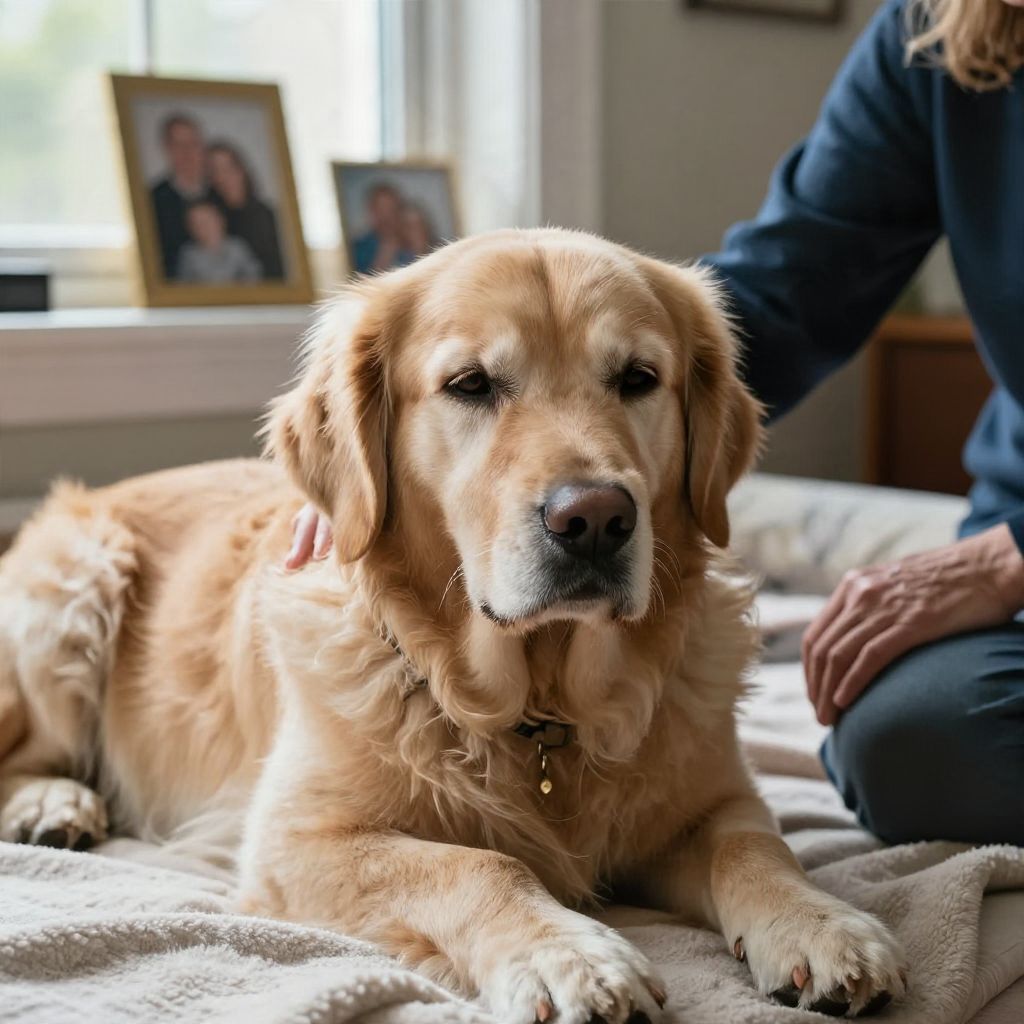
Where do dogs go when they die? For many owners, this question is as emotional as it is practical. The answer depends on what you mean: their body, their care after death, and what you believe about an afterlife.
What matters most right away is knowing your options, recognizing when a dog may be near the end of life, and making choices that keep your dog comfortable and dignified. If you are facing this now, a veterinarian can help you plan the next steps.
Where do dogs go when they die?
When a dog dies, their body is usually handled through burial, cremation, or a veterinary or pet aftercare service. What happens next depends on your local laws, your preferences, and whether your dog died at home, at a clinic, or through euthanasia. If you mean spiritually, that answer varies by personal belief.
What happens immediately after a dog dies?
If your dog has died, the first priority is confirming death and keeping the body in a cool, quiet place until you can arrange aftercare. If you are unsure whether your dog has truly passed, contact a veterinarian right away. Do not assume a dog is gone if you are uncertain.
Signs a dog has likely died
- No breathing or chest movement
- No heartbeat that you can detect
- No response to touch, sound, or movement
- Body becoming still and cool
If there is any doubt, call a veterinarian or emergency clinic immediately. Some collapse events can look like death but need urgent care.
What are your options after a dog dies?
Most families choose one of three paths: home burial where legal, cremation, or pet cemetery burial. The right choice depends on your living situation, local regulations, and whether you want to keep your dog’s ashes or have a memorial place to visit.
1. Home burial
Home burial may be possible in some areas, but local rules vary. Before choosing it, check whether burial on your property is allowed and whether there are restrictions related to depth, water sources, or rental housing.
- Choose a location away from wells, streams, and vegetable gardens.
- Use a burial container only if it is allowed and practical.
- Consider whether you may move homes in the future.
2. Cremation
Cremation is a common choice because it is clean, flexible, and available through many veterinary clinics and pet aftercare providers. You can usually choose communal cremation, where ashes are not returned, or private cremation, where you receive your dog’s ashes.
3. Pet cemetery burial
Some families prefer a pet cemetery because it provides a dedicated resting place and ongoing care of the gravesite. This can be comforting if you want a place to visit and remember your dog.
How do you know when a dog is near the end of life?
Dogs do not all decline the same way. Age, breed, chronic disease, cancer, heart disease, kidney failure, mobility problems, and temperament can all affect the signs you see. A veterinarian can help you judge whether your dog is nearing the end of life or may still have treatable discomfort.
Common end-of-life changes
- Eating much less or refusing food
- Drinking less or having trouble keeping water down
- Extreme weakness or trouble standing
- Loss of interest in family, toys, or surroundings
- Incontinence or inability to get outside in time
- Labored breathing or persistent coughing
- Restlessness, confusion, or seeming “not themselves”
When to call the vet urgently
- Severe breathing difficulty
- Collapse or unresponsiveness
- Repeated vomiting or inability to keep water down
- Seizures
- Bleeding that will not stop
- Severe pain, crying, or panic
These are not “wait and see” signs. They need prompt veterinary attention.
Should you consider euthanasia?
For some dogs, euthanasia is the kindest option when suffering cannot be controlled and quality of life is very poor. This is a personal decision, but it should be made with veterinary guidance and based on your dog’s comfort, mobility, appetite, breathing, and ability to enjoy daily life.
Questions to ask your veterinarian
- Is my dog in pain or distress?
- Are there treatments that could improve comfort?
- Is my dog likely to recover, stabilize, or continue declining?
- What signs would mean it is time to say goodbye?
- What aftercare options are available?
You do not need to make this decision alone. Many clinics can talk through quality-of-life concerns in a calm, practical way.
What should you do if your dog dies at home?
If your dog dies at home, take a breath and focus on practical steps. Keep children and other pets away if needed, and contact your veterinarian, a local cremation service, or a pet cemetery to arrange next steps. If you want a private goodbye, you can usually take time before transfer, depending on temperature and timing.
Helpful next steps
- Confirm the death if you are unsure.
- Place the body on a clean towel or blanket.
- Keep the area cool and quiet.
- Call your vet for guidance on aftercare.
- Decide whether you want burial, cremation, or memorial services.
What if your dog dies at the vet?
If your dog dies at the clinic or is euthanized, the staff will usually explain your aftercare choices right away. You can ask for time alone with your dog, request a paw print or fur clipping if offered, and decide whether the clinic should handle transport to a cremation provider.
How do different dogs decline near the end?
There is no single pattern that fits every dog. A senior large-breed dog with arthritis may slow down and struggle to rise, while a dog with heart disease may show coughing and breathing changes. A dog with cancer may lose weight or energy more quickly. Individual history matters.
Factors that affect the dying process
- Age: older dogs often have multiple health issues at once
- Body size: larger dogs may have more mobility strain, but not always
- Illness: cancer, organ failure, and heart disease can progress differently
- Temperament: some dogs hide discomfort better than others
- Care history: early treatment may improve comfort or extend time
How can you make your dog comfortable at the end of life?
Comfort care is about reducing pain, stress, and effort. Your veterinarian may suggest a plan tailored to your dog’s condition. You should not try to manage serious symptoms on your own without professional guidance.
Supportive care ideas to discuss with your vet
- Easy access to water and food
- Soft bedding and help standing up
- Short, gentle potty breaks
- Keeping routines calm and predictable
- Managing pain, nausea, or anxiety with veterinary advice
What mistakes should you avoid?
Grief can make it hard to think clearly, so it helps to know what not to do. Avoid delaying veterinary help when your dog is in distress, and do not rely on internet remedies for serious illness or pain.
- Do not ignore labored breathing, collapse, or seizures.
- Do not give human medications unless a veterinarian specifically instructs you to do so.
- Do not assume a dog is “just old” if new symptoms appear suddenly.
- Do not pressure yourself to make an immediate aftercare decision if you have safe time to think.
How do you cope with the loss?
There is no correct timeline for grief. Some people want a memorial, others want quiet, and many do both. It can help to keep a collar, photo, paw print, or favorite toy if that feels meaningful to you.
If children are involved, use simple, honest language and answer questions directly. If your grief feels overwhelming or lasts a long time, support from friends, family, or a counselor can be helpful.
Practical conclusion
So, where do dogs go when they die? Physically, they go through burial, cremation, or another aftercare option you choose. Emotionally, they stay with you in memory, routine, and love. If your dog is near the end of life, contact your veterinarian now to discuss comfort, timing, and next steps.
If you want to learn more about the final stages of a dog’s life, you may also find these guides helpful: signs your dog is dying of old age and signs a dog is dying.