
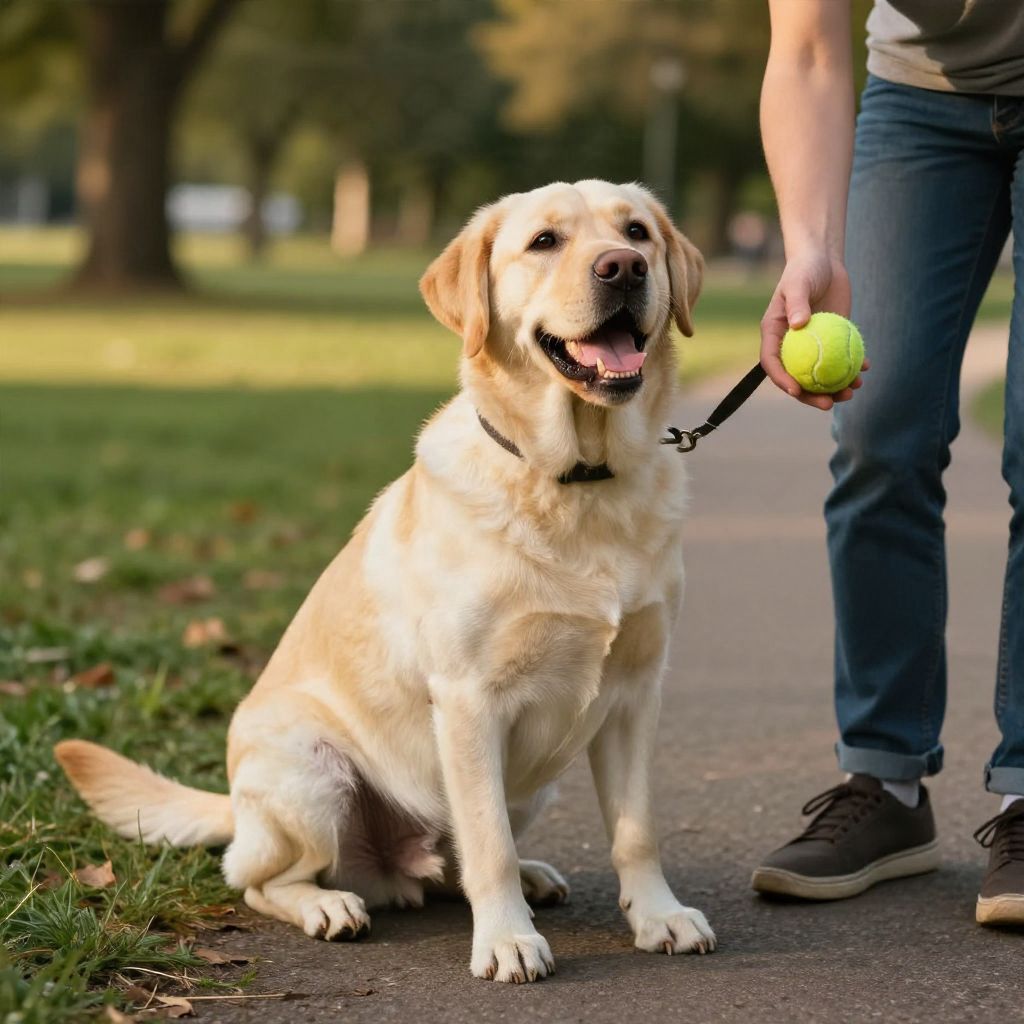
Do dogs laugh? Many owners notice a “smiling” face, panting sound, or playful snort and wonder if it means real laughter. The short answer is that dogs do not laugh the way humans do, but they can make happy, playful vocalizations and body signals that look a lot like joy.
Understanding those signals helps you tell normal play from stress, overexcitement, or discomfort. It also helps you respond in a way that keeps your dog safe, relaxed, and well socialized.
Do dogs laugh?
Dogs do not laugh with words or the same social meaning humans do, but they can make a breathy, panting-like “play laugh” during friendly interaction. More often, what looks like laughter is a relaxed body, open mouth, soft eyes, and loose, bouncy movement that signals comfort and enjoyment.
What dog “laughter” usually looks like
When people ask whether dogs laugh, they are often noticing one of several happy behaviors rather than true laughter. These signals can happen during play, greetings, or when your dog is excited to see you.
Common signs of a happy, playful dog
- Loose, wiggly body posture
- Soft eyes and relaxed facial muscles
- Open mouth with a relaxed tongue
- Bouncy movement or play bows
- Playful vocalizations such as short huffs, grunts, or pant-like sounds
- Taking turns during games like chase or tug
These signs matter more than any single sound. A dog can look “smiley” while still being stressed, so always read the whole body, not just the mouth.
Why dogs may sound like they are laughing
Dogs use vocalizations to communicate excitement, playfulness, uncertainty, and social interest. Some breeds and individual dogs are naturally more vocal than others, but the meaning depends on the situation, not the sound alone.
Play panting versus stress panting
Play panting often happens in a relaxed, social setting and is paired with loose body language. Stress panting may appear with lip licking, yawning, tucked posture, whale eye, pacing, or attempts to move away.
Why some dogs “smile”
A dog’s open mouth can be part of a relaxed expression, especially during warm weather or activity. In some dogs, the face may also appear to “smile” because of the shape of the lips and muzzle, but that does not always mean they are happy.
How to tell happy play from stress or discomfort
If you want to know whether your dog is truly enjoying something, look for a cluster of relaxed signals. One sign by itself can be misleading, especially if your dog is tired, overheated, anxious, or in pain.
Signs your dog is likely enjoying the moment
- Approaches willingly and can leave easily
- Body is loose rather than stiff
- Movements are bouncy and self-handicapping during play
- Recovers quickly after excitement
- Returns for more interaction
Signs to slow down or stop
- Stiff body or frozen posture
- Yawning, lip licking, or turning away
- Flattened ears or tucked tail
- Growling that sounds tense rather than playful
- Trying to hide, escape, or avoid contact
- Sudden change in behavior from your dog’s usual pattern
If your dog seems uncomfortable, give space and reassess the situation. A “laughing” face should never be used to assume consent for petting, hugging, or rough play.
Do dogs laugh when tickled?
Some dogs seem to enjoy gentle touch in certain spots, but many do not like being tickled or handled in a way that feels unpredictable. A dog that squirms, mouths, stiffens, or moves away is telling you the interaction is not pleasant.
Instead of trying to make your dog “laugh,” focus on touch that is clearly welcomed. Use brief, gentle petting and stop often to see whether your dog leans in, stays relaxed, or walks away.
Can dogs laugh when they play?
Yes, dogs can produce playful sounds during games, and many owners interpret those sounds as laughter. This is most common in safe, friendly play with familiar people or dogs, where the body language stays loose and the interaction remains balanced.
Healthy play should look like this
- Both dogs or both participants take turns.
- There are short pauses and self-interruptions.
- No one is constantly pinned, chased, or overwhelmed.
- Each dog can disengage without being followed or cornered.
- The energy stays playful, not frantic or tense.
If play becomes too rough, one dog keeps trying to escape, or the sounds shift to sharp barking and growling, step in calmly and separate them for a break.
Does breed, age, or personality change how dogs “laugh”?
Yes. Individual temperament, age, health, and past experiences all affect how a dog expresses happiness. Some dogs are naturally more expressive, while others are quieter and show joy through body posture rather than sound.
What can vary from dog to dog
- Breed tendencies: Some dogs are more vocal or more physically expressive, but this is only a tendency, not a guarantee.
- Age: Puppies may be bouncy and noisy; older dogs may be calmer and less playful.
- Health: Pain, arthritis, dental disease, or breathing issues can change facial expression and vocalization.
- Temperament: Shy dogs may show joy in subtle ways, while outgoing dogs may be more obvious.
- Training history: Dogs with positive social experiences often show more relaxed play signals.
Because of these differences, avoid expecting every dog to “laugh” the same way. Learn your own dog’s normal happy signals so you can spot changes early.
When a “laughing” sound may mean a problem
Not every panting, huffing, or smiling face is harmless. Sometimes a sound that seems playful can actually be related to heat, anxiety, pain, or breathing trouble.
Watch for these warning signs
- Heavy panting at rest or in cool conditions
- Labored breathing, wheezing, or noisy breathing
- Blue, pale, or gray gums
- Collapse, weakness, or extreme lethargy
- Repeated coughing, gagging, or retching
- Sudden aggression or avoidance when touched
- Facial swelling, hives, or vomiting after a possible allergen exposure
Seek urgent veterinary care immediately if your dog is struggling to breathe, collapses, has blue gums, or seems unable to settle after exertion or heat exposure. Do not wait to see if it passes.
How to encourage safe, happy play
You do not need to make your dog laugh on purpose. Instead, create conditions that help your dog feel secure, enriched, and comfortable enough to show natural playful behavior.
Practical ways to support joyful behavior
- Use reward-based training so your dog associates you with safety and fun.
- Offer regular exercise that matches your dog’s age and fitness level.
- Provide enrichment such as sniffing games, puzzle feeders, and short training sessions.
- Choose playmates carefully and supervise dog-to-dog interaction.
- Respect your dog’s choice to pause, leave, or decline interaction.
- Keep play short if your dog gets overstimulated easily.
For puppies, keep sessions brief and positive. For senior dogs, choose gentler play and watch for stiffness, slower recovery, or reluctance to jump or run.
Common mistakes people make
Trying to force “laughter” can backfire if it creates stress. A dog that looks amused may actually be tolerating something uncomfortable.
- Assuming a panting dog is always happy
- Using rough handling to provoke a reaction
- Ignoring subtle signs of discomfort
- Letting play escalate until one dog gets overwhelmed
- Confusing nervous appeasement with friendliness
If you are unsure what your dog is telling you, slow the interaction down. A calm, choice-based approach is safer than guessing.
When to ask a professional for help
If your dog’s expressions or sounds have changed suddenly, a veterinary exam is the right first step. Pain and illness can alter behavior in ways that are easy to miss at home.
Consider a certified trainer or veterinary behaviorist if your dog seems anxious, reactive, or unable to relax during play, handling, or social situations. Professional guidance can help you build confidence without using punishment or intimidation.
The bottom line on whether dogs laugh
Dogs do not laugh like humans, but they do show joy through body language, playful sounds, and relaxed social behavior. Focus on the full picture: loose posture, soft expression, and willing participation. If you see signs of stress, pain, or breathing trouble, stop and contact your veterinarian.
If you want to understand more about your dog’s emotions, you may also find it helpful to read about whether dogs think and whether dogs understand kisses.