
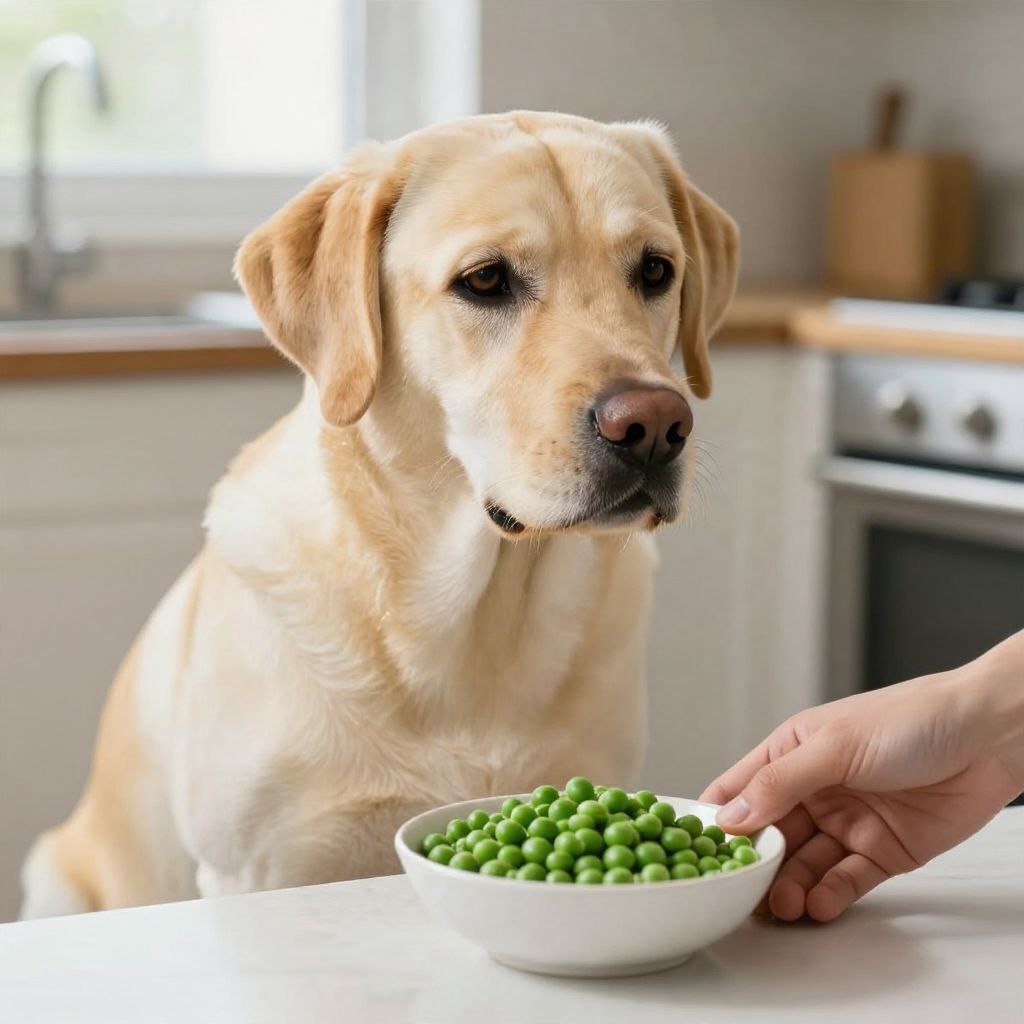
Can dogs eat sweet peas? In many cases, yes—plain sweet peas in small amounts are usually safe for dogs. The key is to offer only the edible peas, not the pods or any seasoned dish, and to keep treats limited so they do not upset your dog’s stomach or crowd out balanced food.
As with any human food, your dog’s size, health, and sensitivity matter. If your dog has a history of digestive upset, food allergies, diabetes, or a medical condition that affects diet, check with your veterinarian before adding sweet peas to the bowl.
Can dogs eat sweet peas?
Yes, dogs can usually eat plain sweet peas in moderation. Offer shelled peas only, with no salt, butter, garlic, onion, spices, or sauces. Sweet peas should be an occasional treat, not a meal replacement, and some dogs may still get gas, loose stool, or an upset stomach.
What parts of sweet peas are safe for dogs?
The edible peas themselves are the part most dogs can eat safely. The pod is the main concern because it can be tough to chew, harder to digest, and a choking hazard for some dogs.
Safe in moderation
- Plain, cooked or raw shelled peas
- Frozen peas, if they are plain and your dog handles cold treats well
- Small amounts mixed into regular food as an occasional topper
Best avoided
- Sweet pea pods
- Peas cooked with salt, butter, oil, or seasoning
- Prepared dishes that may contain onion, garlic, or rich ingredients
Are sweet pea pods safe for dogs?
It is better not to feed sweet pea pods to dogs. Even when they are not toxic, the pods can be fibrous and difficult to chew, especially for small dogs, puppies, seniors, and dogs that gulp food quickly. Large pieces may also pose a choking or intestinal blockage risk.
Health benefits of sweet peas for dogs
Plain sweet peas can add a little variety and may provide fiber and some vitamins and minerals. That said, dogs do not need sweet peas to be healthy if they already eat a complete, balanced dog food.
If you use them as a treat, think of sweet peas as a small bonus rather than a health food. Too many treats, even healthy ones, can add extra calories and upset your dog’s digestive balance.
Risks and side effects to watch for
Most dogs tolerate a few plain peas well, but any new food can cause trouble in sensitive dogs. The most common issues are mild and short-lived, though some signs need veterinary attention.
Possible mild reactions
- Gas
- Soft stool or diarrhea
- Mild vomiting
- Temporary loss of interest in food
Red flags that need a vet call
- Repeated vomiting
- Bloated or painful abdomen
- Weakness, collapse, or severe lethargy
- Blood in vomit or stool
- Signs of choking, gagging, or trouble breathing
- Straining to defecate or suspected blockage after eating pods or large amounts
If your dog seems distressed, cannot keep water down, or is having breathing trouble, seek urgent veterinary care right away.
How to feed sweet peas to your dog safely
If you want to share sweet peas, keep the preparation simple. The safest version is plain, shelled peas with no added ingredients.
- Remove the peas from the pod.
- Rinse them if needed.
- Serve a very small amount at first.
- Watch for stomach upset over the next 24 hours.
- Only continue if your dog tolerates them well.
Good serving habits
- Use peas as a treat, not a daily staple unless your vet approves it.
- Keep portions small, especially for toy breeds and puppies.
- Offer them plain rather than mixed into rich human food.
- Reduce the amount if your dog is already getting other treats that day.
How much sweet pea can a dog eat?
There is no universal amount that fits every dog. A few peas may be fine for many dogs, while others may get an upset stomach from a small serving. The right amount depends on your dog’s size, diet, and sensitivity.
A practical rule is to start with just a few plain peas and see how your dog responds. If your dog has a sensitive stomach, ask your veterinarian before making peas a regular treat.
When sweet peas may not be a good choice
Some dogs should be more cautious with any new food, including sweet peas. This is especially true if your dog has a condition where diet consistency matters.
Use extra caution if your dog has:
- A history of pancreatitis
- Chronic digestive problems
- Food allergies or suspected food sensitivities
- Diabetes or weight-management needs
- Kidney or other medical conditions requiring a specific diet
For these dogs, even a harmless-looking treat can complicate symptoms or interfere with a prescribed feeding plan. Your veterinarian can help you decide whether peas fit your dog’s diet.
Can puppies eat sweet peas?
Puppies can usually eat a tiny amount of plain peas, but their digestive systems can be more sensitive than adult dogs’. Keep portions very small and avoid pods, seasoning, and mixed dishes. If your puppy has diarrhea, vomiting, or seems unusually tired after trying peas, contact your vet.
Can senior dogs eat sweet peas?
Many senior dogs can eat plain peas if they chew well and digest them comfortably. However, older dogs may have dental issues, slower digestion, or medical conditions that make new foods less suitable. Soft, plain peas are generally a better choice than pods or crunchy pieces.
What to do if your dog ate a lot of sweet peas
If your dog stole a large amount of plain peas, monitor for stomach upset. If your dog ate pods, seasoned food, or anything with onion or garlic, the situation is more concerning.
- Remove access to the food source.
- Check whether the peas were plain or mixed with other ingredients.
- Watch for vomiting, diarrhea, abdominal pain, or choking.
- Call your veterinarian if symptoms appear or if your dog ate pods or a large amount.
If your dog may have eaten a food containing onion, garlic, or another toxic ingredient, do not wait for symptoms before calling a veterinarian or pet poison resource.
Common mistakes to avoid
Most problems with sweet peas come from how they are served, not from the peas themselves. Avoid these common mistakes to keep your dog safe.
- Feeding peas with salt, butter, or seasoning
- Giving the pod instead of just the peas
- Using peas as a major part of the diet
- Offering a large serving to a dog with a sensitive stomach
- Assuming all dogs tolerate the same foods equally well
Bottom line: can dogs eat sweet peas?
Yes, most dogs can eat plain sweet peas in small amounts, but the pods and seasoned preparations are not a good idea. Keep the treat simple, start with a small portion, and stop if your dog shows digestive upset. When in doubt, your veterinarian can help you decide what is safe for your individual dog.
If you want to compare sweet peas with other dog-safe foods, you may also find these guides helpful: can dogs eat arugula and can dogs eat sweet potato skins.