
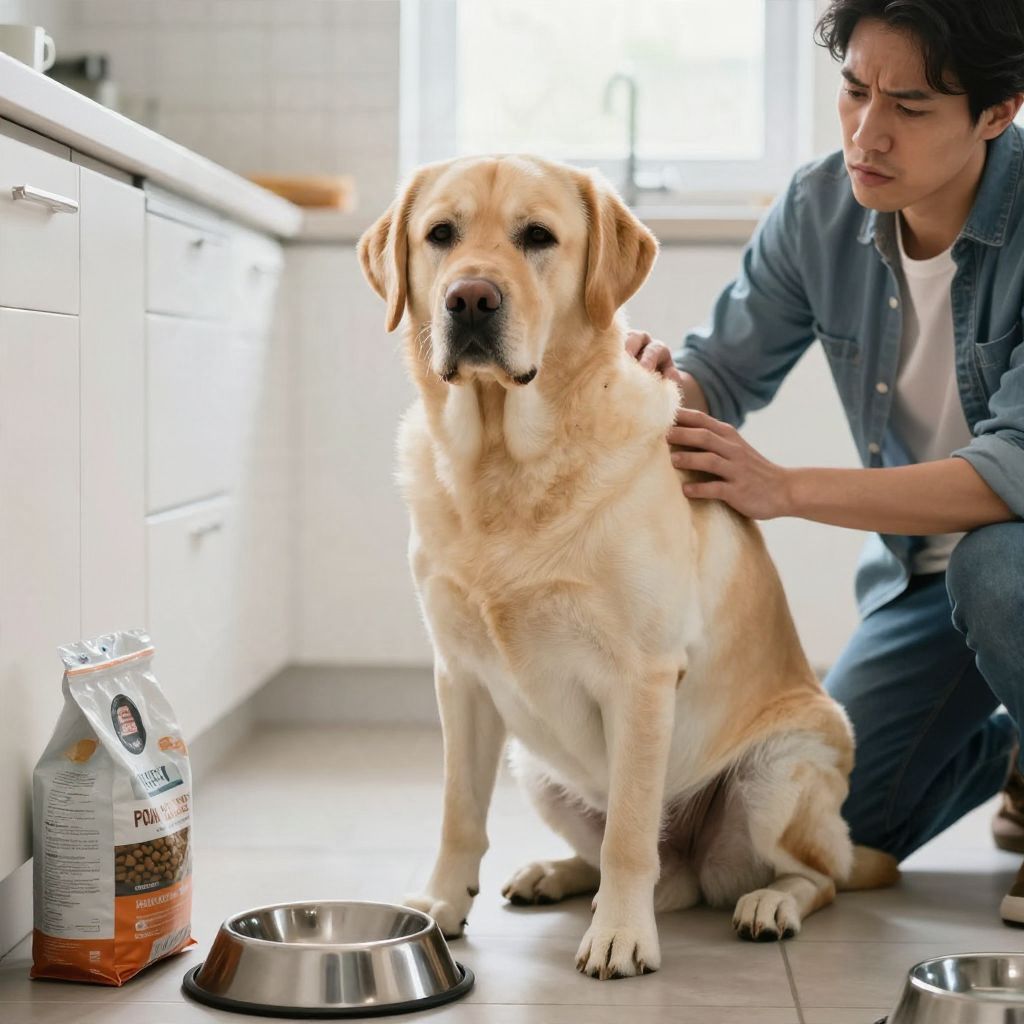
If your dog has skipped a meal, you may be wondering how long can a dog go without food before it becomes dangerous. The answer depends on age, health, size, and whether your dog is still drinking water, but a healthy adult dog can sometimes miss a meal or two without immediate harm.
That said, not eating can also be an early sign of illness, pain, stress, or a digestive problem. If your dog refuses food for more than 24 hours, or sooner if they are a puppy, senior, or unwell, contact your veterinarian.
How Long Can A Dog Go Without Food?
A healthy adult dog may go about 3 to 5 days without food in an emergency, but that does not mean it is safe to wait that long. A dog who has not eaten for 24 hours may already need veterinary advice, and puppies, small dogs, seniors, and dogs with medical issues should be checked much sooner.
What Affects How Long A Dog Can Go Without Food?
There is no single safe timeline for every dog. Appetite loss can become serious faster in some dogs than in others.
- Puppies: They have smaller energy reserves and can become weak or hypoglycemic quickly.
- Small dogs: They may run out of energy faster than larger dogs.
- Senior dogs: They are more likely to have dental pain, organ disease, or nausea.
- Dogs with health conditions: Diabetes, kidney disease, liver disease, pancreatitis, and cancer can make fasting riskier.
- Very active dogs: Working or highly active dogs may deplete energy faster.
- Body condition: Thin dogs have less reserve than dogs carrying extra weight.
Temperament and routine matter too. Some dogs miss a meal because of stress, travel, a change in schedule, or a new food, while others stop eating because they feel sick. The reason matters as much as the timeline.
Timeline: What To Expect If Your Dog Has Not Eaten
After 12 hours
Many healthy dogs can comfortably skip one meal, especially if they are mildly stressed or recently ate late. If your dog seems normal otherwise, monitor closely and offer their next regular meal.
After 24 hours
One full day without food is a common point where you should call your vet, especially if the loss of appetite is new. Even if your dog is drinking, a day of not eating can point to nausea, pain, fever, or another problem.
After 24 to 48 hours
This is more concerning. Your dog may become weaker, dehydrated more easily, or develop stomach upset from an empty stomach. Puppies, toy breeds, and dogs with diabetes or other illnesses need prompt veterinary attention in this window.
After 48 to 72 hours
A dog who still will not eat after two to three days needs veterinary care. Prolonged not eating can worsen weakness and may signal a serious illness, obstruction, dental pain, or organ disease.
Beyond 3 days
Going this long without food is unsafe for most dogs. Even if your dog seems alert, they need a veterinary exam as soon as possible.
When Not Eating Is An Emergency
Do not wait for a routine appointment if your dog is not eating and also has any of these warning signs:
- Repeated vomiting or vomiting with blood
- Diarrhea, especially if severe or bloody
- Swollen, painful, or hard abdomen
- Labored breathing
- Collapse, extreme weakness, or trouble standing
- Signs of pain such as trembling, hiding, whining, or reluctance to move
- Gums that are pale, blue, or very tacky
- Seizures, disorientation, or unusual behavior
- Suspected toxin exposure or a swallowed object
- A puppy who is not eating, especially if also sleepy or shaky
Seek urgent veterinary care immediately if your dog is a puppy, diabetic, very old, or already medically fragile and has stopped eating.
Common Reasons A Dog Stops Eating
Loss of appetite can happen for many reasons, and some are minor while others are serious. A veterinarian can help sort out the cause.
- Stress or routine changes: Boarding, travel, new pets, visitors, or a move.
- Food issues: Spoiled food, sudden diet changes, or dislike of a new formula.
- Dental pain: Broken teeth, gum disease, mouth ulcers, or something stuck in the mouth.
- Gastrointestinal upset: Nausea, constipation, parasites, or inflammation.
- Pain elsewhere: Arthritis, injury, abdominal pain, or post-surgical discomfort.
- Infection or fever: Many illnesses reduce appetite.
- Organ disease: Kidney, liver, pancreatic, or endocrine problems.
- Medication side effects: Some prescriptions can reduce appetite.
If your dog is otherwise acting normal and only missed one meal, you may be able to monitor briefly. If the refusal continues, do not assume it is just picky eating.
What You Can Do At Home Safely
If your dog is bright, drinking, and has no red-flag symptoms, you can take a few safe steps while you watch them closely.
- Offer their regular food again at the next meal time.
- Keep the feeding area calm and consistent.
- Check the food for spoilage, stale smell, or contamination.
- Make sure your dog has fresh water available.
- Note any vomiting, diarrhea, coughing, drooling, or changes in behavior.
- Call your vet if the appetite loss lasts beyond 24 hours or sooner if your dog is at higher risk.
You can also try warming wet food slightly to increase aroma, but only if your dog is otherwise stable and the food is safe to serve. Avoid sudden diet changes unless your veterinarian recommends them.
What Not To Do
When a dog is not eating, some well-meaning actions can make things worse.
- Do not force-feed unless a veterinarian has instructed you to do so.
- Do not give human medications or supplements without veterinary guidance.
- Do not rely on rich foods, table scraps, or random “appetite boosters.”
- Do not wait several days if your dog is young, old, or already sick.
- Do not ignore vomiting, lethargy, or abdominal pain just because your dog is drinking water.
What If Your Dog Is Drinking But Still Not Eating?
Drinking is a good sign, but it does not rule out a problem. A dog can still be nauseated, painful, or ill even if they are taking water.
If your dog is drinking but refusing food for more than a day, call your veterinarian. If they also have vomiting, diarrhea, weakness, or any emergency signs, seek urgent care.
Special Situations That Need Faster Action
Puppies
Puppies should not go long without food because they can become weak quickly. If a puppy skips meals, contact your vet promptly, especially if they seem sleepy, shaky, or less playful than usual.
Senior dogs
Older dogs often have hidden dental disease, nausea, or chronic illness. A senior dog who stops eating deserves early veterinary attention rather than watchful waiting.
Dogs with diabetes
Not eating can be dangerous for diabetic dogs because it can disrupt blood sugar control. Contact your vet right away for feeding guidance if your diabetic dog refuses food.
Dogs after surgery or illness
Some appetite loss can happen after procedures, but prolonged refusal to eat should be reported to the veterinary team. Pain, medication side effects, or complications may need treatment.
How Vets Usually Approach A Dog Who Is Not Eating
Your veterinarian may ask how long your dog has not eaten, whether they are drinking, and whether there are vomiting, diarrhea, pain, or behavior changes. They may recommend an exam, dental check, bloodwork, imaging, fecal testing, or other diagnostics depending on the situation.
The goal is to find the cause, not just get your dog to eat once. Treating nausea, pain, dehydration, or an underlying illness is often the key to restoring appetite.
How To Prevent Appetite Problems
You cannot prevent every episode of not eating, but a few habits can reduce risk:
- Feed a consistent, complete diet appropriate for your dog’s life stage.
- Keep meals on a regular schedule.
- Transition foods gradually over several days when changing diets.
- Maintain dental care and routine veterinary checkups.
- Store food properly and discard spoiled food.
- Keep trash, toxins, and foreign objects out of reach.
For some dogs, appetite changes are the first sign that something is off. Paying attention early can help you catch problems before they become urgent.
The Bottom Line
So, how long can a dog go without food? A healthy adult may miss a meal or two, but not eating for more than 24 hours deserves a call to your veterinarian, and puppies, seniors, and sick dogs need help sooner. If your dog has red-flag symptoms, seek urgent care right away.
If you want to learn more about related concerns, you may also find it helpful to read about how long dogs can go without water and how long a dog can go without peeing.