
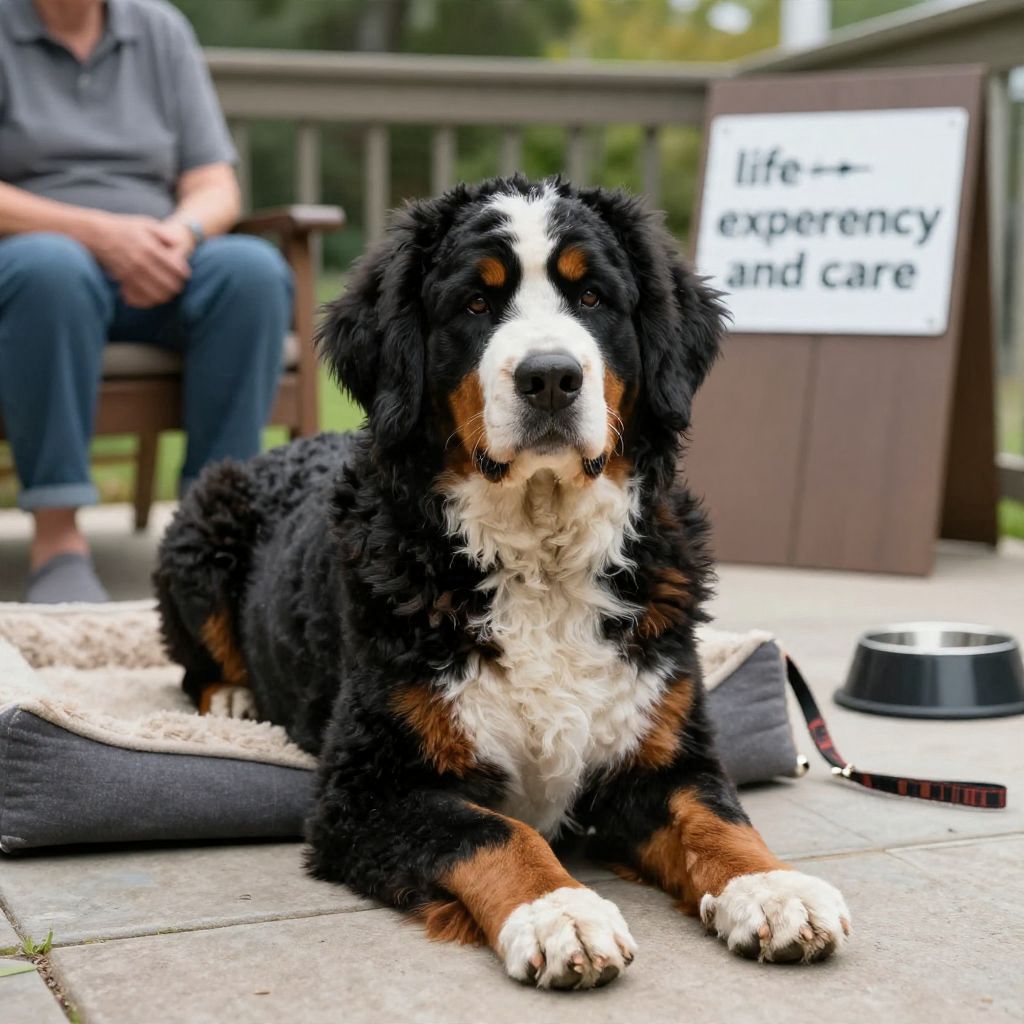
How long do Bernedoodles live? Most live about 12 to 15 years, but lifespan can vary with size, genetics, and overall care. Smaller Bernedoodles often live longer than larger ones, while health issues inherited from either parent breed can shorten that range.
If you want your Bernedoodle to have the best chance at a long life, focus on preventive vet care, a healthy weight, daily exercise, and early attention to any changes in appetite, mobility, or energy. Those basics matter more than any single supplement or trend.
How long do Bernedoodles live?
Bernedoodles typically live around 12 to 15 years. Smaller Bernedoodles often reach the upper end of that range, while standard-sized dogs may have a shorter average lifespan. Individual health, body condition, genetics, and veterinary care can all make a meaningful difference.
What affects a Bernedoodle’s lifespan?
Bernedoodles are a mixed breed, so their lifespan is influenced by traits from both Bernese Mountain Dogs and Poodles. That means there is no single guaranteed timeline, and littermates can age differently depending on inherited health risks and lifestyle.
1. Body size
In general, larger dogs tend to age faster than smaller dogs. A mini Bernedoodle may live longer than a standard Bernedoodle, though this is not a guarantee.
2. Genetics and breeding
Health testing in parent dogs can lower the risk of some inherited problems, but it cannot eliminate every issue. Reputable breeding practices may improve the odds of a healthier, longer-lived dog.
3. Weight and fitness
Keeping your Bernedoodle lean can help protect joints, heart health, and mobility. Extra weight can quietly shorten a dog’s healthy years.
4. Routine veterinary care
Regular exams, vaccines, parasite prevention, dental care, and early treatment of illness all support longevity. Preventive care often catches problems before they become serious.
What to expect at different life stages
Puppy to young adult
Young Bernedoodles usually have high energy, rapid growth, and a strong need for socialization. This is the best time to build good habits around handling, grooming, leash walking, and calm alone time.
Adult years
Adult Bernedoodles often do best with consistent exercise, mental enrichment, and a predictable routine. Many remain playful well into middle age, but their needs may change gradually.
Senior years
As Bernedoodles age, you may notice slower movement, more sleep, stiffness after rest, or changes in hearing and vision. Senior dogs benefit from gentler exercise, easier home access, and more frequent vet checks.
Common health issues that can affect lifespan
Not every Bernedoodle will develop these problems, but they are worth watching for because early detection matters. Your veterinarian can help you monitor breed-related risks based on your dog’s size, age, and history.
- Joint problems such as hip or elbow disease
- Eye conditions that may affect vision over time
- Heart disease or other age-related organ changes
- Skin and ear issues, especially in dogs with dense or curly coats
- Dental disease, which can affect comfort and overall health
- Digestive sensitivity in some individual dogs
If your Bernedoodle has a known inherited condition, your vet may recommend a more tailored monitoring plan. That can make a real difference in comfort and quality of life.
How to help your Bernedoodle live longer
Keep your dog at a healthy weight
One of the most effective longevity tools is simple: avoid overfeeding. You should be able to feel your dog’s ribs easily under a light fat cover, and your veterinarian can help you assess body condition accurately.
Feed a complete, balanced diet
Choose a diet that matches your dog’s life stage and activity level. Avoid frequent table scraps and unbalanced homemade diets unless a veterinary nutrition professional has designed them.
Give regular exercise
Daily movement supports muscle tone, joint health, and mental well-being. For many Bernedoodles, a mix of walks, play, training, and sniffing activities works better than one long burst of exercise.
Use grooming as health care
Bernedoodle coats can mat if not maintained, and mats can hide skin irritation or cause discomfort. Regular brushing, ear checks, and nail trims help you spot problems early.
Stay on top of dental care
Dental disease is common in dogs and can affect eating, comfort, and long-term health. Home brushing, dental chews approved by your vet, and professional cleanings when needed can help.
Prevent parasites and infectious disease
Fleas, ticks, heartworms, and intestinal parasites can all harm health over time. Your veterinarian can recommend prevention based on where you live and your dog’s lifestyle.
Signs your Bernedoodle may need a vet visit
Some changes are mild and temporary, but others can signal a problem that should not wait. Contact your veterinarian if you notice ongoing or worsening symptoms.
- Reduced appetite or refusal to eat
- Vomiting or diarrhea that lasts more than a day, or happens repeatedly
- New limping, stiffness, or trouble rising
- Persistent coughing, labored breathing, or exercise intolerance
- Sudden behavior changes, confusion, or unusual lethargy
- Frequent drinking or urination changes
- Itching, ear odor, or skin redness that keeps returning
- Weight loss without a clear reason
Seek urgent veterinary care immediately if your dog has trouble breathing, collapses, has a bloated abdomen, cannot stand, has a seizure, or may have ingested something toxic or dangerous.
How to support a Bernedoodle in the senior years
Older Bernedoodles often do best with small but meaningful adjustments. These changes can improve comfort and help you notice health issues sooner.
- Use ramps or steps for furniture and cars if needed
- Provide non-slip flooring or rugs on slick surfaces
- Offer shorter, more frequent walks
- Schedule more regular veterinary exams
- Watch for pain signs such as panting at rest, stiffness, or reluctance to jump
- Keep grooming gentle and consistent
Senior dogs should not be assumed to be “just getting old” when they slow down. Pain, dental disease, arthritis, and internal illness are all treatable or manageable when caught early.
What not to do if you want a longer lifespan
Some common mistakes can quietly reduce a Bernedoodle’s quality of life and may shorten lifespan over time.
- Overfeeding or allowing steady weight gain
- Skipping annual or senior veterinary visits
- Ignoring dental disease or chronic ear infections
- Using harsh training methods that increase fear or stress
- Letting a young dog do too much high-impact exercise before growth is complete
- Assuming a mixed breed cannot inherit health problems
Reward-based training, predictable routines, and early socialization are safer and more effective than punishment or intimidation. A calmer, well-managed dog is often easier to care for and more likely to stay healthy.
Bottom line
How long do Bernedoodles live? Most live about 12 to 15 years, with smaller dogs often living longer than larger ones. The best way to support a long, healthy life is to keep your Bernedoodle lean, active, groomed, and closely monitored by a veterinarian.
If you want to compare this breed’s lifespan with its parent breed, you may also find it helpful to read about how long Bernese Mountain Dogs live.