
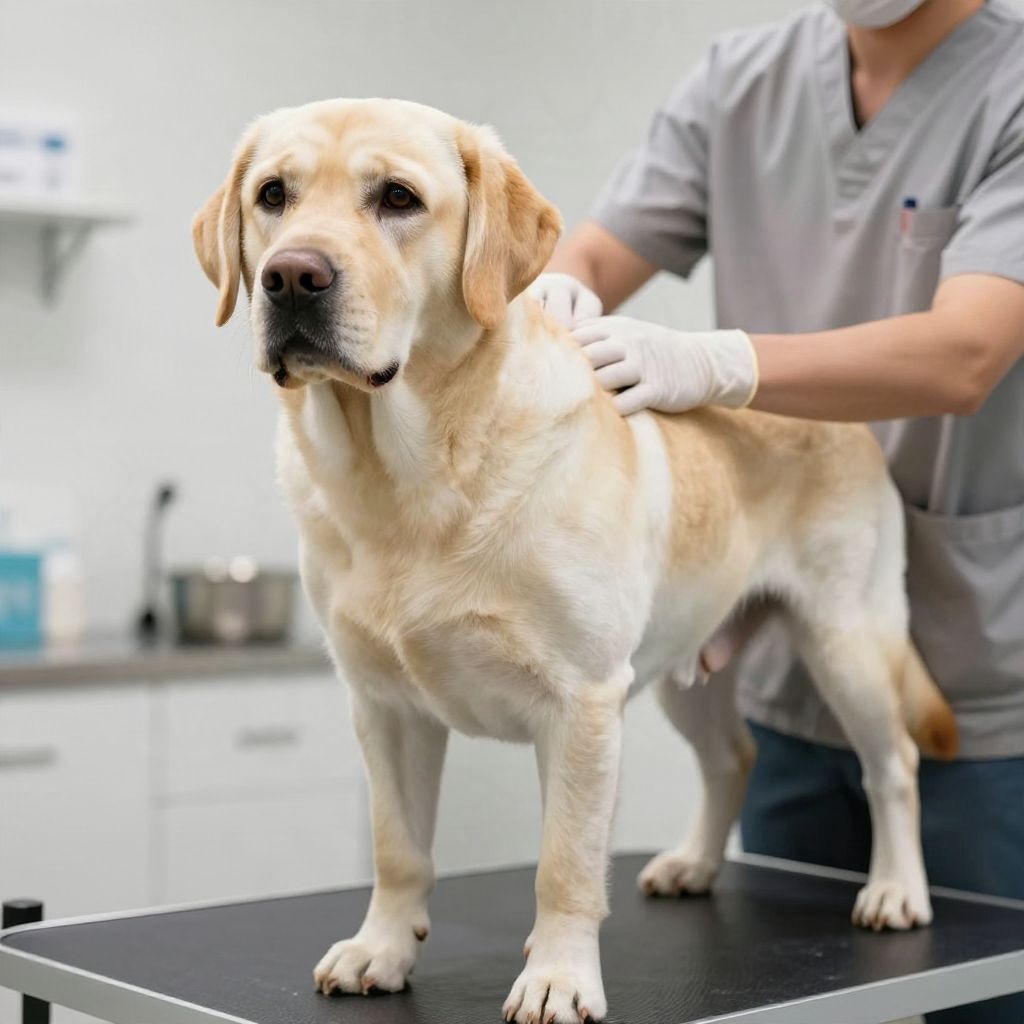
If your dog is scooting, licking the rear end, or has a fishy smell, you may be wondering how to express anal glands safely. This is a common grooming and health concern, but it is not always something you should do at home.
The safest approach depends on your dog’s symptoms, body size, temperament, and whether the glands are truly impacted. In many cases, a veterinarian or trained groomer should handle it, especially if your dog is painful, swollen, or has repeated problems.
How do you express anal glands?
To express anal glands, gentle pressure is applied to the sacs located just inside and beside the anus so they empty through their ducts. This should only be done if needed and with care; if your dog is painful, bleeding, or has swelling, stop and contact a veterinarian rather than forcing it.
What anal glands do and why they get full
Anal glands are small scent glands that normally empty when a dog passes stool. In some dogs, the stool is too soft, the ducts are narrow, or the glands do not empty well, so fluid builds up and causes discomfort.
Some dogs rarely need help, while others need repeated care because of their individual anatomy, diet, allergies, or chronic skin and digestive issues. Small dogs can be more prone to problems, but any dog can develop them.
Signs your dog may need anal gland help
Not every scoot means impacted glands, but these signs are common reasons to check:
- Scooting or dragging the rear on the floor
- Excessive licking or biting around the anus
- Fishy or strong odor
- Straining or discomfort when sitting
- Swelling, redness, or tenderness near the anus
- Small drops of brown, foul-smelling fluid
Urgent veterinary care is needed if you see pus, blood, a visible lump, severe pain, fever, lethargy, or a wound near the anus. These can suggest infection or an abscess.
How to express anal glands safely: step-by-step
If you have been shown how to do this by a veterinarian and your dog is comfortable with handling, the process may be done externally in some cases. If you are unsure, ask your vet to demonstrate first.
- Put on gloves and have paper towels or gauze ready.
- Lift your dog’s tail gently and keep the dog calm and still.
- Locate the glands at about the 4 o’clock and 8 o’clock positions around the anus.
- Using a clean paper towel, apply gentle pressure inward and upward toward the anus.
- Watch for fluid to release into the towel; it may be thin or pasty and often smells strong.
- Stop immediately if your dog yelps, pulls away, or if nothing comes out after gentle pressure.
- Clean the area with a pet-safe wipe or warm damp cloth and wash your hands thoroughly.
Some dogs tolerate an external method better than an internal one, but others need a professional to do it safely. The right technique depends on your dog’s anatomy and how full the glands are.
When not to try it yourself
Do not attempt expression at home if your dog has:
- Severe pain or a sudden change in behavior
- Bleeding, discharge, or a broken skin area
- A suspected abscess or swelling
- Repeated gland problems without a diagnosis
- Anxiety or aggression that makes restraint unsafe
For these situations, a vet visit is safer and more informative than repeated home attempts.
External vs. internal expression
External expression uses pressure outside the anus and is sometimes enough for dogs with mild fullness. Internal expression is done by a veterinarian or experienced professional with a gloved, lubricated finger inside the rectum to better empty the sacs.
Internal expression is more effective in some cases, but it is also more invasive and should not be improvised. If your dog has recurrent issues, your vet can decide which method makes sense.
Common mistakes to avoid
- Using too much force, which can bruise or injure tissue
- Trying to express glands when they are infected or abscessed
- Repeating expression too often without veterinary guidance
- Ignoring soft stool, diarrhea, or chronic skin itching that may be part of the problem
- Assuming every scoot means glands; fleas, allergies, worms, or irritation can look similar
Frequent expression can sometimes irritate the area and make a dog more uncomfortable, so it is best used only when truly needed.
Why some dogs keep having anal gland problems
Recurrent issues often point to an underlying cause rather than a one-time blockage. Common contributors include soft stools, chronic diarrhea, food sensitivities, skin allergies, obesity, poor muscle tone, or anatomic differences.
Breed tendencies can matter, but they are not guarantees. A small dog may be more likely to need help, yet any individual dog can develop the problem based on health and stool quality.
How diet and stool quality affect the glands
Firm, well-formed stools help naturally empty the sacs during bowel movements. If your dog often has soft stool, your veterinarian may suggest a diet review or other medical evaluation to address the root cause.
Do not switch foods repeatedly without a plan. Sudden changes can worsen digestive upset and make anal gland issues harder to manage.
How to make the process easier for your dog
Calm handling matters as much as technique. Dogs that are anxious or sore may need a slower approach, treats, and a second person to help keep them steady.
- Choose a quiet place with good footing
- Use a calm voice and brief handling
- Reward cooperation with treats after the procedure
- Stop if your dog becomes highly stressed
If your dog is reactive or fearful, ask your veterinarian or a qualified groomer whether in-clinic care is a better option.
When to see a veterinarian instead of expressing at home
Schedule a veterinary exam if your dog has repeated scooting, frequent odor, or needs expression often. Your vet can check for infection, impaction, allergies, parasites, or other causes of discomfort.
Seek urgent help if there is severe swelling, discharge, fever, marked pain, or a mass. These signs can mean the gland is infected or ruptured and may need medical treatment.
How often should anal glands be expressed?
There is no universal schedule. Some dogs never need expression, while others need occasional help or medical management for an underlying problem.
Routine expression on a fixed schedule is not always necessary and may be counterproductive for some dogs. Your veterinarian can tell you whether your dog truly benefits from it.
Practical takeaway
If you are learning how to express anal glands, start with caution, gentle handling, and veterinary guidance. The safest choice is to have a professional show you the technique first and to stop home care if your dog shows pain, swelling, or recurrent problems.
For more related guidance, you may also find how to express dogs glands externally helpful when comparing techniques and safety considerations.