
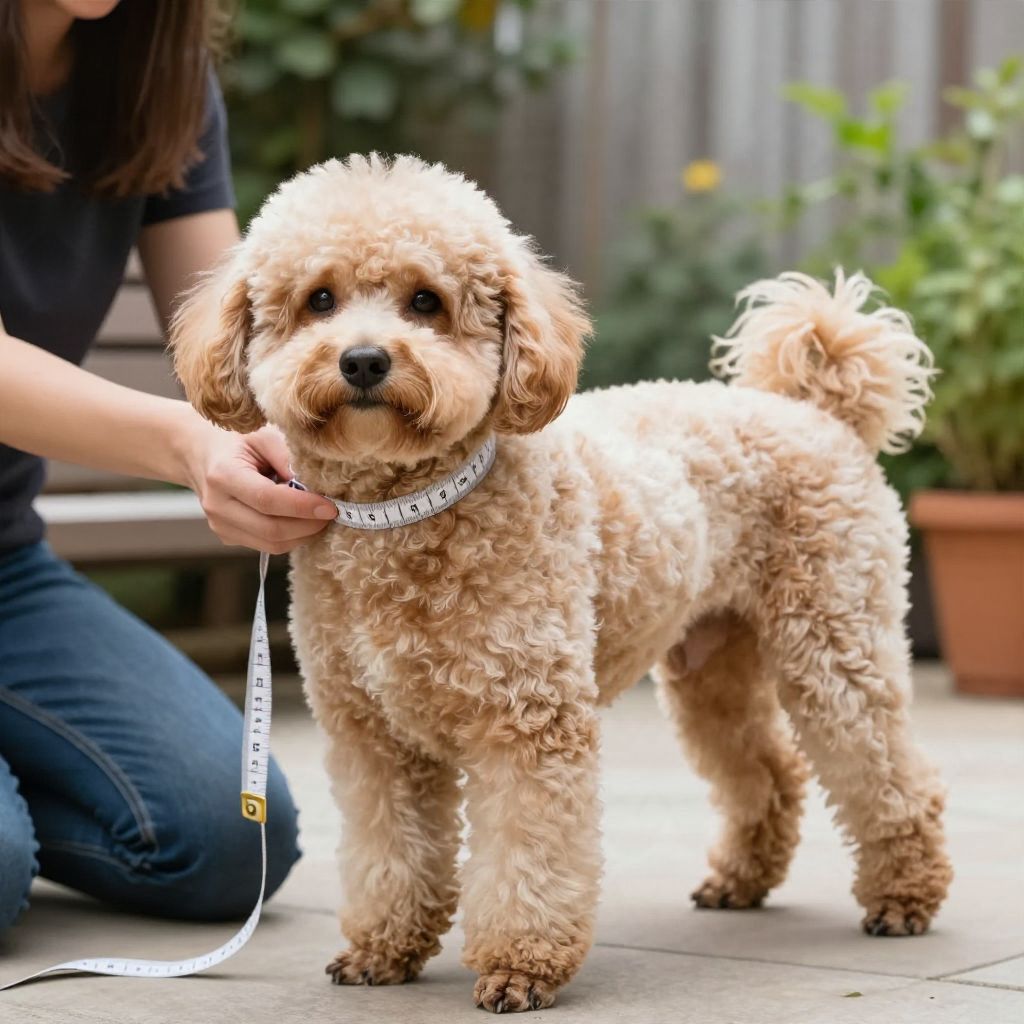
If you’re wondering how big Maltipoos get, the short answer is that most stay small, but their adult size can vary a lot. A Maltipoo’s final height and weight depend on whether the Poodle parent was toy or miniature, plus genetics, diet, and overall health.
Because Maltipoos are a mixed-breed dog, there is no single exact size for every puppy. You can usually expect a compact companion, but it helps to understand the typical range, how to estimate growth, and what care needs may change as your dog matures.
How big do Maltipoos get?
Maltipoos are usually small dogs, often reaching about 8 to 14 inches tall and roughly 5 to 20 pounds as adults. Some stay closer to toy-dog size, while others grow larger if they inherit more size from a miniature Poodle parent.
What affects a Maltipoo’s adult size?
Several factors influence how big your Maltipoo will get, and littermates can end up noticeably different from one another.
- Parent size: A toy Poodle parent often leads to a smaller adult dog than a miniature Poodle parent.
- Genetics: Mixed-breed puppies inherit traits in different combinations, so size is not perfectly predictable.
- Sex: Males may be slightly larger than females, though this is not guaranteed.
- Nutrition and health: Poor growth, overfeeding, or medical issues can affect body condition and development.
- Age: Puppies grow quickly at first, then gradually fill out before reaching adult size.
How can you estimate a Maltipoo puppy’s adult size?
You can make a rough estimate by looking at the parents, the puppy’s current age, and current weight, but it will never be exact. A veterinarian can help you track growth and body condition if you’re unsure whether your puppy is on the right path.
Helpful clues to watch
- Parent information: Ask the breeder or rescue about the size of both parents if possible.
- Puppy growth rate: Very rapid growth early on does not always mean a much larger adult dog.
- Body proportions: Legs, paws, and overall frame can offer hints, but they are not reliable predictors on their own.
- Veterinary checkups: Your vet can confirm whether your puppy’s growth is healthy, steady, and age-appropriate.
Do Maltipoos stay small forever?
Most Maltipoos remain small throughout life, but “small” does not mean “tiny.” Some are lap-dog sized, while others are sturdy little companions that need the same daily care, training, and exercise as any other dog. Their size can also make them easier to carry, but not necessarily easier to manage.
How size affects Maltipoo care
Knowing how big Maltipoos get matters because size influences feeding, exercise, grooming, travel, and safety. Small dogs can still be energetic, vocal, and surprisingly athletic, so don’t assume a tiny body means low-maintenance care.
Feeding and weight management
Small dogs can gain weight quickly if they are overfed or get too many treats. Extra weight can strain joints and make it harder for your Maltipoo to stay active and comfortable.
- Feed a balanced, complete dog food appropriate for your dog’s life stage.
- Measure meals instead of free-feeding unless your veterinarian advises otherwise.
- Use treats sparingly during training.
- Ask your vet if your dog’s body shape suggests underweight or overweight status.
Exercise needs
Most Maltipoos benefit from daily activity, even though they are small. Walks, indoor play, puzzle toys, and short training sessions can help meet physical and mental needs.
- Choose low-impact exercise that suits your dog’s age and fitness level.
- Break activity into several short sessions if your dog tires easily.
- Watch for signs of overexertion, such as lagging behind, heavy panting, or reluctance to continue.
Grooming and handling
Maltipoos often have coats that need regular brushing and grooming, regardless of size. Smaller dogs can still develop tangles, mats, and tear staining, so routine coat care matters.
- Brush often to reduce matting.
- Keep nails trimmed so small dogs can move comfortably.
- Check ears, eyes, and teeth regularly as part of home care.
How big do Maltipoos get compared with other small dogs?
Maltipoos are generally in the same size category as many toy and small companion dogs, but individual dogs can sit on the smaller or larger end of that range. If you’re comparing breeds or mixes, focus on the expected adult weight and frame rather than the name alone.
For example, a Maltipoo may be smaller than many miniature doodle mixes, but one puppy may still grow larger than another from the same litter. Mixed-breed size variation is normal.
When does a Maltipoo stop growing?
Many Maltipoos reach most of their height by around 8 to 12 months, then continue filling out a bit after that. Exact timing varies with genetics and overall development, so some dogs may look “puppy-like” for longer than others.
If your dog seems to be growing unusually fast, very slowly, or unevenly, ask your veterinarian. Growth concerns are easier to address early, especially in small dogs where body condition can change quickly.
Common size-related mistakes to avoid
When people ask how big Maltipoos get, they often also need guidance on what to avoid while the dog is growing.
- Overfeeding: Small dogs do not need large meals just because they seem active.
- Using size as a behavior excuse: A small Maltipoo still needs training and boundaries.
- Skipping vet visits: Growth, dental health, and weight are worth monitoring.
- Overestimating stamina: Small dogs can get tired quickly, especially puppies and seniors.
- Assuming all Maltipoos are the same: Temperament and energy level vary from dog to dog.
Safety tips for small Maltipoos
Because Maltipoos are usually small, they can be more vulnerable to accidental injury than larger dogs. Simple household precautions can make a big difference.
- Use a properly fitted harness for walks instead of relying only on a collar.
- Supervise around stairs, furniture, and larger dogs.
- Teach children to handle the dog gently and avoid rough lifting.
- Provide a safe resting area where your dog can retreat.
- Keep toxic foods, medications, and small objects out of reach.
When should you ask a veterinarian about size or growth?
Contact your veterinarian if your Maltipoo is not growing as expected, has a poor appetite, seems weak, or shows signs of pain or digestive trouble. A professional can determine whether the issue is normal variation or something that needs attention.
Seek urgent veterinary care if your puppy or dog has trouble breathing, repeated vomiting, collapse, severe lethargy, a bloated abdomen, seizures, or signs of injury after a fall or accident. Do not wait if these symptoms appear.
The bottom line on Maltipoo size
So, how big do Maltipoos get? Most remain small companion dogs, but adult size can vary based on parentage and individual genetics. If you focus on healthy growth, proper nutrition, regular exercise, and routine vet care, your Maltipoo has the best chance to stay comfortable and thrive at whatever size they reach.
If you’d like to keep learning, you may also find it helpful to read about how long Maltipoos live and compare size expectations with how big mini Bernedoodles get.