
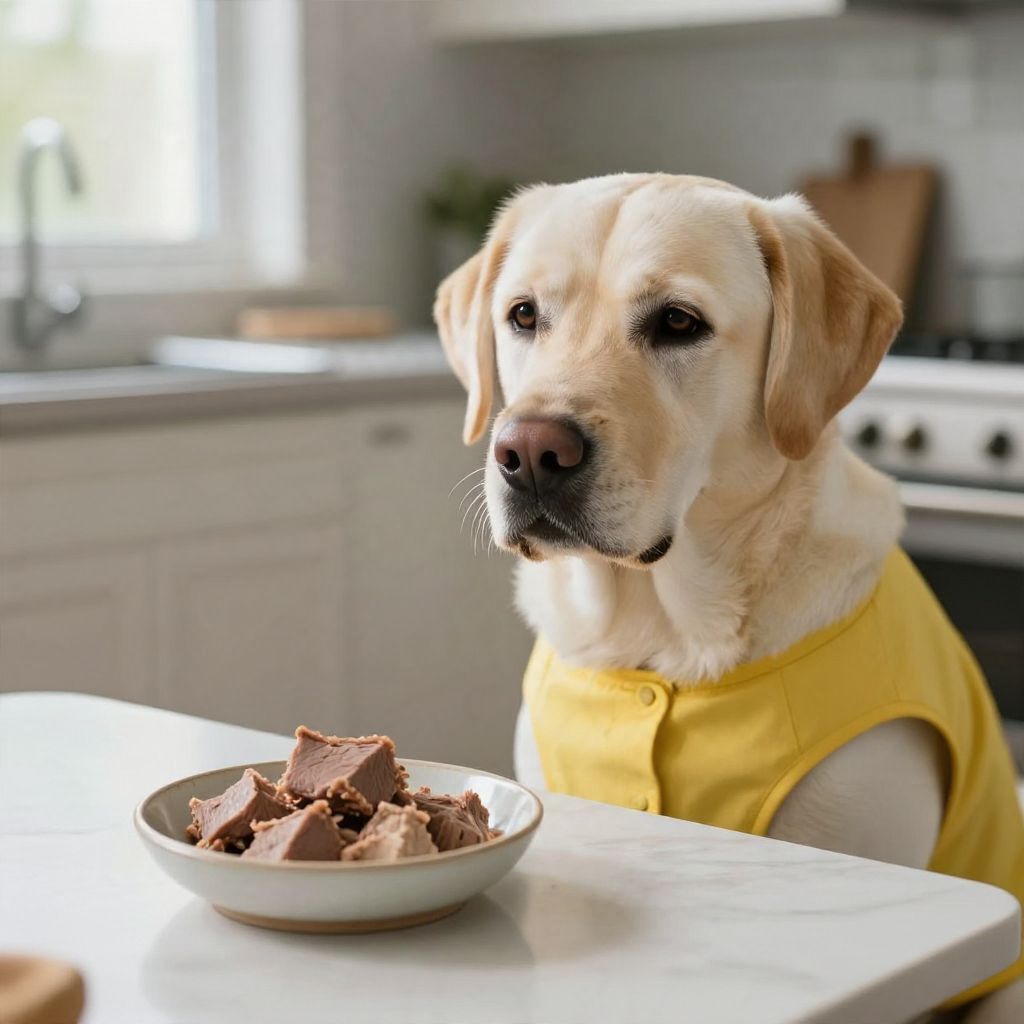
If you’re asking what goat tastes like for dogs, the short answer is that it depends on the form, preparation, and your dog’s individual tolerance. Plain, fully cooked goat meat is often described as lean, savory, and slightly gamey.
For dogs, the bigger issue is not flavor but safety: seasoning, bones, fat, and cooking method can all change whether goat is appropriate as an occasional treat.
What does goat taste like for dogs?
Plain goat meat usually tastes mildly gamey and savory, with a leaner flavor than beef or lamb. Dogs may find it appealing because of the aroma and protein content, but taste alone does not make it safe. For dogs, only plain, fully cooked, boneless goat meat in small amounts is the safer option.
Why the taste matters less than the preparation
When people ask what goat tastes like, they usually mean whether it is a good food to share with a dog. The answer depends mostly on how it is cooked and served, not just the meat itself.
Goat can be a reasonable occasional treat if it is:
- plain and unseasoned
- fully cooked
- boneless
- trimmed of excess fat
- served in small pieces
Goat becomes risky when it is grilled with spices, cooked in sauces, served on the bone, or mixed with ingredients that are unsafe for dogs.
Safe vs. unsafe goat foods for dogs
Not all goat-based foods are equal. A plain piece of cooked goat is very different from a seasoned dish made for people.
Safer forms
- Plain cooked goat meat with no salt, onion, garlic, or spicy seasoning
- Small, boneless pieces as an occasional treat
- Goat prepared specifically for dogs, if it fits your veterinarian’s advice and your dog’s diet plan
Unsafe or higher-risk forms
- Goat cooked with onion, garlic, chives, or heavy seasoning
- Fatty cuts or greasy drippings that may upset your dog’s stomach
- Cooked bones, which can splinter and injure the mouth, throat, or intestines
- Raw goat, which can carry harmful bacteria and parasites
- Processed goat products with added salt, preservatives, or unknown ingredients
What your dog may notice about goat
Dogs rely heavily on smell, so the aroma of goat may matter more than the taste. Some dogs are drawn to strong-smelling meats, while others are cautious with new foods.
Individual preference varies based on:
- age
- breed tendencies
- past diet and exposure
- food sensitivity history
- overall appetite and health
A dog that likes one protein may ignore another. That does not mean anything is wrong; it often just reflects normal variation.
Can dogs eat goat meat?
Yes, many dogs can eat plain cooked goat meat in moderation, but it should not replace a complete and balanced diet. Treats of any kind should stay within a sensible portion of your dog’s daily intake.
If your dog has a medical condition such as pancreatitis, kidney disease, food allergies, or a sensitive stomach, ask your veterinarian before offering goat or any new protein.
How to offer goat to your dog safely
If your veterinarian says goat is okay for your dog, keep the serving simple and small.
- Use plain, fully cooked meat only.
- Remove all bones, skin, and visible fat.
- Cut it into bite-size pieces.
- Offer a small amount first.
- Watch for digestive upset over the next 24 to 48 hours.
Introducing a new protein gradually is especially helpful for dogs with sensitive digestion.
Signs your dog may not tolerate goat well
- vomiting
- diarrhea
- gas or bloating
- itching or skin irritation
- ear redness or recurrent ear scratching
- reduced appetite
These signs are not proof of an allergy, but they do mean the food may not agree with your dog. If symptoms are severe, repeated, or persistent, contact your veterinarian.
When goat is an emergency concern
Some goat-related situations need urgent veterinary care, not home monitoring. Do not wait if your dog has eaten something dangerous or is showing serious symptoms.
Seek urgent help immediately if your dog:
- choked on a bone or is coughing, gagging, or struggling to breathe
- swallowed a cooked bone
- has repeated vomiting or cannot keep water down
- has a swollen, painful abdomen
- is weak, collapsing, or unusually lethargic
- has blood in vomit or stool
- shows signs of a severe allergic reaction, such as facial swelling or breathing trouble
If your dog ate a seasoned goat dish, the exact risk depends on the ingredients. Onion and garlic are especially concerning, and bones are a mechanical hazard even if the meat itself was plain.
Common mistakes when sharing goat with dogs
Many problems happen because the meat is safe in theory but unsafe in practice.
- Giving leftovers from a human meal without checking ingredients
- Assuming “natural” means safe for dogs
- Offering bones because they seem like a treat
- Using goat as a meal replacement instead of a treat
- Feeding too much at once and causing stomach upset
Even a dog with a strong stomach can react badly to rich or seasoned food. Small portions are the safest approach.
Does goat taste different from other meats for dogs?
Goat is often described as more gamey than chicken and less fatty than some cuts of beef or lamb. For dogs, the practical difference is usually aroma and fat content rather than taste in the human sense.
That means goat may be interesting to picky eaters, but it is still important to compare it with your dog’s dietary needs. A lean protein may suit some dogs better than richer meats, while others do better staying with a familiar food.
What if your dog is a picky eater?
If you are asking what goat tastes like because you hope it will tempt a picky dog, use caution. A strong-smelling food can sometimes encourage eating, but it can also upset the stomach if introduced too quickly.
Try to rule out medical causes first if your dog has a sudden appetite change. Dental pain, nausea, stress, and illness can all reduce eating, and those problems need veterinary attention rather than flavor experiments.
How goat fits into a balanced canine diet
Goat can be an occasional treat, but it should not become the main diet unless a veterinarian or board-certified veterinary nutritionist has formulated the plan. Dogs need the right balance of protein, fat, vitamins, and minerals, and plain meat alone does not provide that.
If you want to use goat as a training reward, keep the pieces tiny. That helps prevent overfeeding while still making the reward meaningful.
Good times to use goat as a treat
- training sessions
- recall practice
- calm enrichment games
- occasional reward for good behavior
Use it sparingly, especially if your dog is on a weight-management plan or has a sensitive digestive system.
When to ask your veterinarian
Check with your veterinarian before feeding goat if your dog has any ongoing health issue, including food allergies, gastrointestinal disease, pancreatitis, obesity, or chronic kidney problems. Your vet can tell you whether a new protein is appropriate and how to introduce it safely.
Professional guidance is also wise if your dog has had repeated vomiting, diarrhea, or itching after trying new foods. Those patterns can help your vet decide whether a food trial or further testing is needed.
Bottom line
What does goat taste like for dogs? In practical terms, plain cooked goat is a savory, gamey treat that some dogs may enjoy, but safety matters far more than flavor. Keep it boneless, unseasoned, and small, and skip it entirely if your dog has a medical reason to avoid it.
If you want to compare this topic with other food-related questions, you may also find what dog tastes like and what cat tastes like helpful for related reading.