
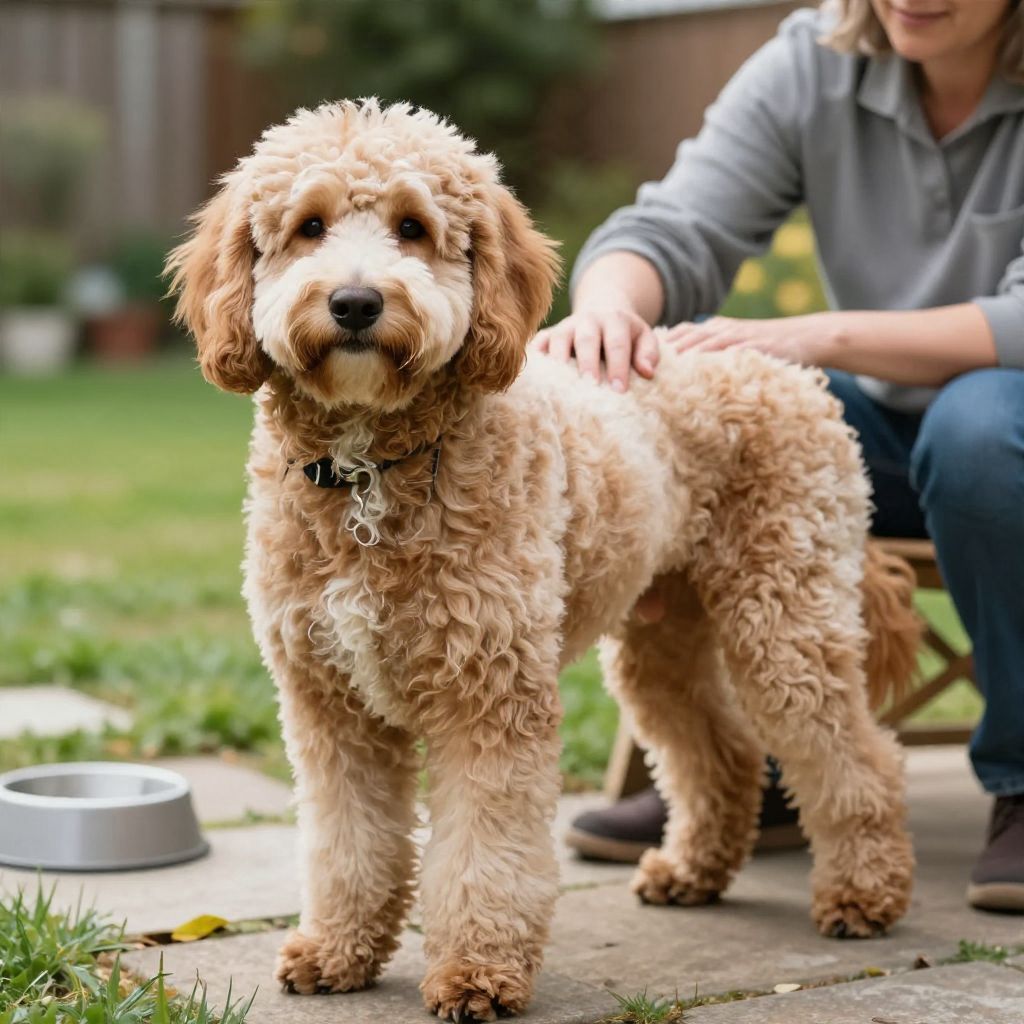
How long do Mini Goldendoodles live? Most live about 12 to 15 years, though some may live longer with good genetics, routine veterinary care, a healthy weight, and an active lifestyle. Like any mixed-breed dog, their lifespan can vary from one dog to another.
If you’re bringing one home or caring for an older Mini Goldendoodle, it helps to know what affects lifespan, what aging looks like, and when to call your vet. A little prevention can make a meaningful difference over time.
How long do Mini Goldendoodles live?
Mini Goldendoodles commonly live around 12 to 15 years. Their lifespan depends on factors such as body size, inherited health risks from parent breeds, diet, exercise, dental care, and access to regular veterinary checkups. Some dogs stay active and healthy well into their senior years, while others develop age-related problems earlier.
What affects a Mini Goldendoodle’s lifespan?
No dog’s lifespan is guaranteed. Mini Goldendoodles can inherit traits from both Poodles and Golden Retrievers, so individual health varies. Smaller dogs often live longer than larger dogs, but genetics, lifestyle, and preventive care matter just as much.
1. Genetics and breeding practices
Responsible breeding can reduce the chance of inherited disease, but it cannot eliminate risk completely. Ask about health testing in the parent dogs if you are choosing a puppy.
- Eye health
- Hip and joint health
- Heart health
- Skin and ear issues
2. Body weight
Keeping your dog at a lean, healthy weight is one of the most practical ways to support longevity. Extra weight can strain joints, worsen breathing, and increase the risk of other chronic health problems.
3. Dental care
Dental disease is common in many small and medium dogs. Regular brushing and professional cleanings, when recommended by your vet, can help reduce pain and infection that may affect overall health.
4. Exercise and mental enrichment
Mini Goldendoodles are usually active, social dogs that benefit from daily movement and training. Regular exercise supports heart health, weight control, and joint function, while enrichment helps prevent boredom-related behavior problems.
5. Preventive veterinary care
Routine exams can catch problems earlier, when they are often easier to manage. Vaccinations, parasite prevention, and age-appropriate screening all support a longer, healthier life.
What to expect at each life stage
Understanding the timeline of aging can help you adjust care before problems become serious. Exact timing varies, but many Mini Goldendoodles follow a fairly typical pattern of puppy, adult, and senior stages.
Puppy to young adult
During the first year or two, your dog is growing, learning, and building habits. This is the best time to focus on socialization, house training, basic manners, and positive experiences with grooming and handling.
- Frequent potty breaks
- Gentle exposure to brushing and ear cleaning
- Short training sessions using rewards
- Careful exercise to avoid overdoing it while growing
Adult years
Adult Mini Goldendoodles often do best with a predictable routine. They usually need regular exercise, grooming, and mental stimulation to stay balanced and healthy.
- Daily walks or active play
- Ongoing training refreshers
- Weight monitoring
- Routine wellness exams
Senior years
As dogs age, you may notice slower movement, more sleep, reduced stamina, or changes in hearing or vision. Some seniors also become more sensitive to cold, less tolerant of long activity, or more prone to stiffness after rest.
Senior care often means smaller, more frequent exercise sessions, easier access to water and resting spots, and closer monitoring for pain or changes in appetite.
Common health issues that can shorten lifespan
Mini Goldendoodles are not guaranteed to develop any specific condition, but some health concerns are worth watching for because they can affect comfort and longevity. Your vet can help you monitor risk based on your dog’s age and history.
Joint and mobility problems
Hip issues, kneecap problems, and arthritis can make it harder for your dog to stay active. Early management may include weight control, exercise modification, and veterinary treatment.
Ear infections
Dogs with floppy ears or hair in the ear canal can be more prone to moisture buildup and infection. Frequent head shaking, odor, redness, or discharge should be checked by a vet.
Eye conditions
Some dogs develop inherited or age-related eye problems. Cloudiness, squinting, redness, or bumping into objects are reasons to schedule an exam.
Heart disease and other chronic illness
As dogs age, chronic diseases become more common. Coughing, exercise intolerance, fainting, or unexplained weight loss should never be ignored.
How to help your Mini Goldendoodle live a longer life
You cannot control every factor, but you can strongly influence day-to-day health. The best approach is consistent, boring, preventive care.
- Feed a complete, balanced diet appropriate for your dog’s age and activity level.
- Keep your dog lean by measuring meals and limiting excess treats.
- Provide daily exercise suited to your dog’s age and physical condition.
- Brush teeth regularly and follow your vet’s dental recommendations.
- Schedule routine vet visits for wellness care and early detection.
- Use parasite prevention as recommended for your area and lifestyle.
- Reduce injury risk with leash safety, secure fencing, and supervision around stairs or slippery floors.
Age-appropriate care tips
For puppies
Young Mini Goldendoodles need structure, patience, and safe socialization. Focus on positive training, handling practice, and rest, since puppies can become overtired and overstimulated quickly.
For adults
Adult dogs usually thrive on consistency. Keep exercise regular, continue grooming habits, and watch for subtle changes in appetite, energy, or bathroom habits.
For seniors
Older dogs may need more comfort and less intensity. Consider orthopedic bedding, shorter walks, more frequent bathroom breaks, and a vet visit if mobility changes.
Signs your Mini Goldendoodle may need a vet visit
Some changes are normal with age, but others suggest illness or pain. If you notice a pattern or a sudden change, it is best to call your veterinarian.
- Loss of appetite
- Vomiting or diarrhea that persists
- Coughing, labored breathing, or fainting
- Sudden limping or difficulty standing
- Excessive drinking or urination
- Bad breath, drooling, or trouble chewing
- Eye redness, discharge, or squinting
- Behavior changes such as confusion, restlessness, or withdrawal
Seek urgent veterinary care immediately if your dog has trouble breathing, collapses, has a swollen abdomen, cannot urinate, has repeated vomiting, has a seizure, or seems in severe pain.
What owners often get wrong about lifespan
Many people assume a “healthy-looking” dog is automatically healthy. That is not always true. Dogs often hide discomfort, so regular checks matter even when your Mini Goldendoodle seems fine.
- Skipping dental care because the teeth “look okay”
- Overfeeding treats and extra snacks
- Waiting too long to address stiffness or limping
- Assuming mixed breeds never inherit health problems
- Reducing exercise too much in older age instead of adjusting it safely
How to support quality of life as your dog ages
Longevity matters, but comfort matters too. A good senior plan can help your Mini Goldendoodle stay engaged, mobile, and happy for as long as possible.
- Keep routines predictable
- Use ramps or steps if jumping is difficult
- Choose low-impact activities like gentle walks and sniffing games
- Monitor weight every few weeks
- Ask your vet about pain management if mobility changes
The bottom line
How long do Mini Goldendoodles live? Most live about 12 to 15 years, and some live longer with strong preventive care. If you keep your dog lean, active, groomed, and up to date on veterinary care, you give them the best chance at a long, comfortable life.
If you want to compare lifespan expectations across related breeds, you may also find it helpful to read about how long Poodles live.