
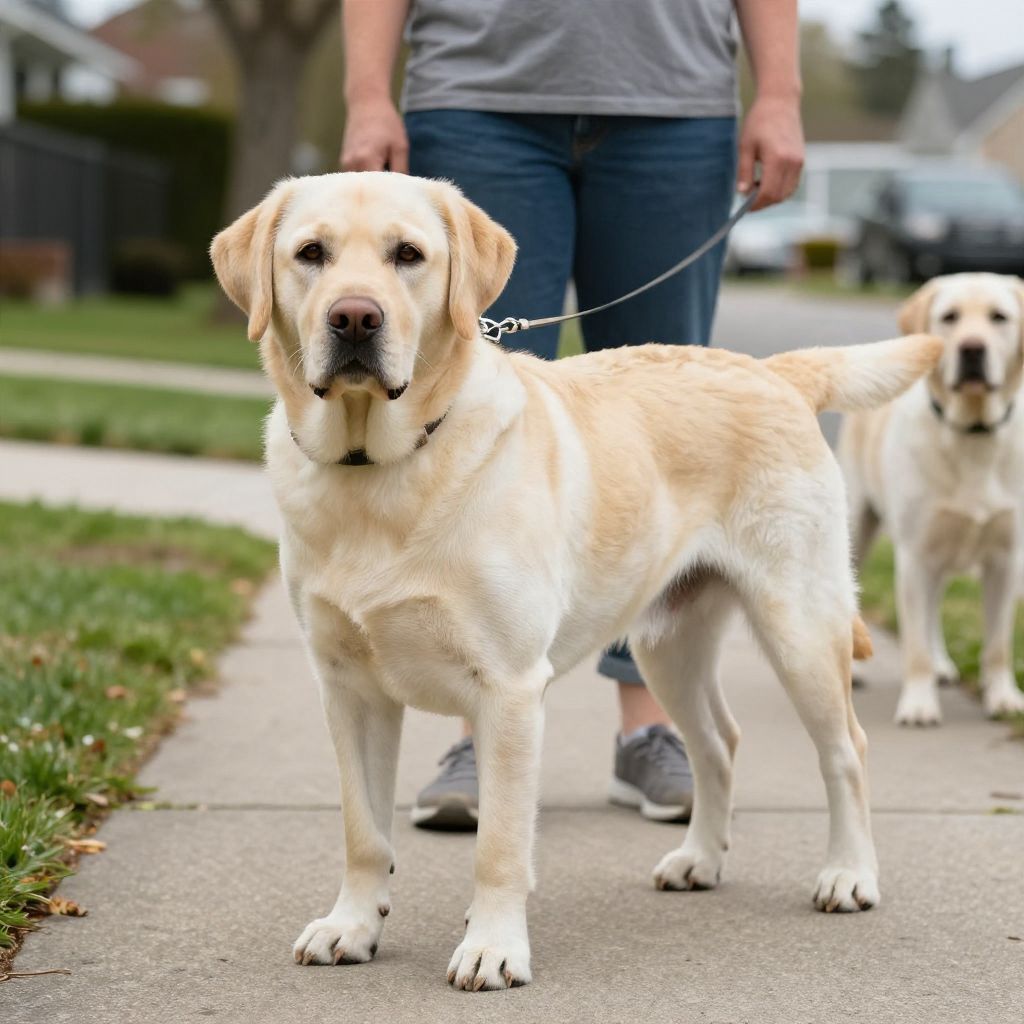
If you’re wondering when is a dog full grown, the answer depends on size, breed, and individual development. Many dogs reach their adult height before they finish filling out, so “grown” can mean different things.
Most dogs are physically mature somewhere between 10 months and 2 years old, but large and giant breeds often take longer. Your dog may look adult before their bones, muscles, and behavior are fully mature.
When is a dog full grown?
Most dogs are full grown between 10 and 24 months old. Small breeds often finish earlier, medium breeds in the middle, and large or giant breeds may keep developing for up to 2 years or more, especially in body mass, muscle, and joint maturity.
What “full grown” really means
A dog can be full grown in one way and still be maturing in another. Height usually stops first, while chest width, muscle, and overall body condition may continue changing for months afterward.
It also helps to separate physical growth from emotional maturity. A dog may be adult-sized but still act like a puppy, especially in energy level, impulse control, and training consistency.
Physical maturity vs. behavioral maturity
- Physical maturity: bones, joints, and body size are mostly developed.
- Behavioral maturity: attention span, self-control, and routine stability improve over time.
- Sexual maturity: can happen before full physical maturity, which is one reason adolescent dogs may seem “grown” too early.
How size affects growth timeline
Breed size is one of the biggest clues to when a dog is full grown. Smaller dogs generally mature faster, while bigger dogs need more time for safe bone and joint development.
Small dogs
Many small breeds reach adult size by about 9 to 12 months. They may still fill out slightly after that, but the major growth phase is usually over sooner than in larger dogs.
Medium dogs
Medium-sized dogs often finish growing around 12 to 15 months. Some continue to gain muscle and body condition into their second year.
Large and giant dogs
Large and giant breeds commonly take 18 to 24 months, and sometimes longer, to fully mature. Their growth plates close later, so careful nutrition and exercise matter during the long puppy stage.
Signs your dog may be full grown
There is no single exact sign, but several clues can help you judge whether your dog is near adult size. These changes usually happen gradually rather than all at once.
- Height has stopped increasing for several months.
- The chest and shoulders look broader.
- Legs no longer seem too long for the body.
- Weight is stable on an appropriate diet.
- Energy is still high, but growth-related clumsiness is reduced.
If you are unsure, your veterinarian can assess body condition, growth pattern, and whether your dog is developing normally.
Why breed and individual variation matter
Breed gives you a general timeline, but it does not guarantee an exact age. Mixed-breed dogs may mature on a different schedule depending on their genetics, and even littermates can grow at different rates.
Health, nutrition, activity level, and whether a puppy was underfed or ill can all affect growth. A dog that seems “small for age” or “big for age” should be checked by a veterinarian if the difference is noticeable or ongoing.
How to support healthy growth before your dog is full grown
During the growing months, your goal is steady development, not rapid size gain. The right care can help protect joints, support healthy muscle, and reduce avoidable problems later.
Feed an age-appropriate diet
Choose a complete puppy food or a veterinarian-recommended growth diet until your dog is ready for adult food. Large-breed puppies often need special nutrient balance to support controlled growth.
- Do not overfeed to “help them grow faster.”
- Keep treats to a sensible portion of daily calories.
- Ask your vet if your dog needs a large-breed puppy formula.
Exercise with growth in mind
Puppies need activity, but too much repetitive impact can be hard on developing joints. Short play sessions, gentle walks, and varied low-impact enrichment are usually better than intense running or repeated jumping.
- Use age-appropriate leash walks.
- Avoid forcing long-distance exercise in young, still-growing dogs.
- Limit repetitive stair use, high jumps, and hard-surface pounding when possible.
Keep up with training and socialization
Adolescence often overlaps with the period when a dog is physically close to adult size but mentally still immature. Reward-based training helps you guide manners, focus, and confidence during this stage.
Short sessions work better than long lectures. Practice recall, loose-leash walking, settle cues, and polite greetings in low-distraction settings first.
When growth can be a concern
Most puppies grow unevenly for a while, but some signs deserve veterinary attention. Growth problems are easier to address early than after they become long-term issues.
Call your veterinarian if you notice:
- Persistent limping or obvious pain
- A leg that looks bowed, twisted, or uneven
- Loss of appetite or poor weight gain
- Marked lethargy or weakness
- Swollen joints or a painful belly
- Diarrhea, vomiting, or repeated illness that affects growth
Seek urgent veterinary care if your dog cannot stand, has severe pain, collapses, has trouble breathing, or develops sudden swelling after an injury.
Common mistakes owners make while waiting for a dog to grow up
It is easy to misread a dog’s size and assume the hard part is over. In reality, many “adult-looking” dogs still need puppy-level support.
- Switching to adult food too early without veterinary guidance.
- Overexercising a young dog because they seem energetic and sturdy.
- Expecting adult behavior before the dog has matured mentally.
- Ignoring weight changes that may signal overfeeding or a health issue.
- Skipping training during adolescence, when habits are being formed.
What changes after a dog is full grown?
Once your dog reaches adult size, care shifts from growth support to maintenance. That usually means keeping body condition lean, adjusting exercise to your dog’s age and breed type, and choosing food that matches adult needs.
Adult dogs still benefit from training refreshers, regular dental care, parasite prevention, and routine veterinary checkups. If your dog is a large breed, joint-friendly conditioning remains important throughout adulthood.
When to ask your vet for a growth check
If you are unsure whether your dog is full grown, a veterinary exam can help. Your vet can compare your dog’s body condition, weight trend, and musculoskeletal development with what is typical for their age and breed mix.
This is especially helpful if you have a giant-breed puppy, a rescue with an unknown history, or a dog that seems unusually small, large, lanky, or slow to mature.
Bottom line
When is a dog full grown? Usually between 10 and 24 months, depending on size and breed, with smaller dogs finishing sooner and larger dogs taking longer. Watch for steady height, filling out of the chest, and calmer body development, and keep feeding, exercise, and training age-appropriate until your vet says your dog is fully mature.
If you want to compare timelines in more detail, you may also find what age dogs stop growing and when dogs are fully grown helpful.