
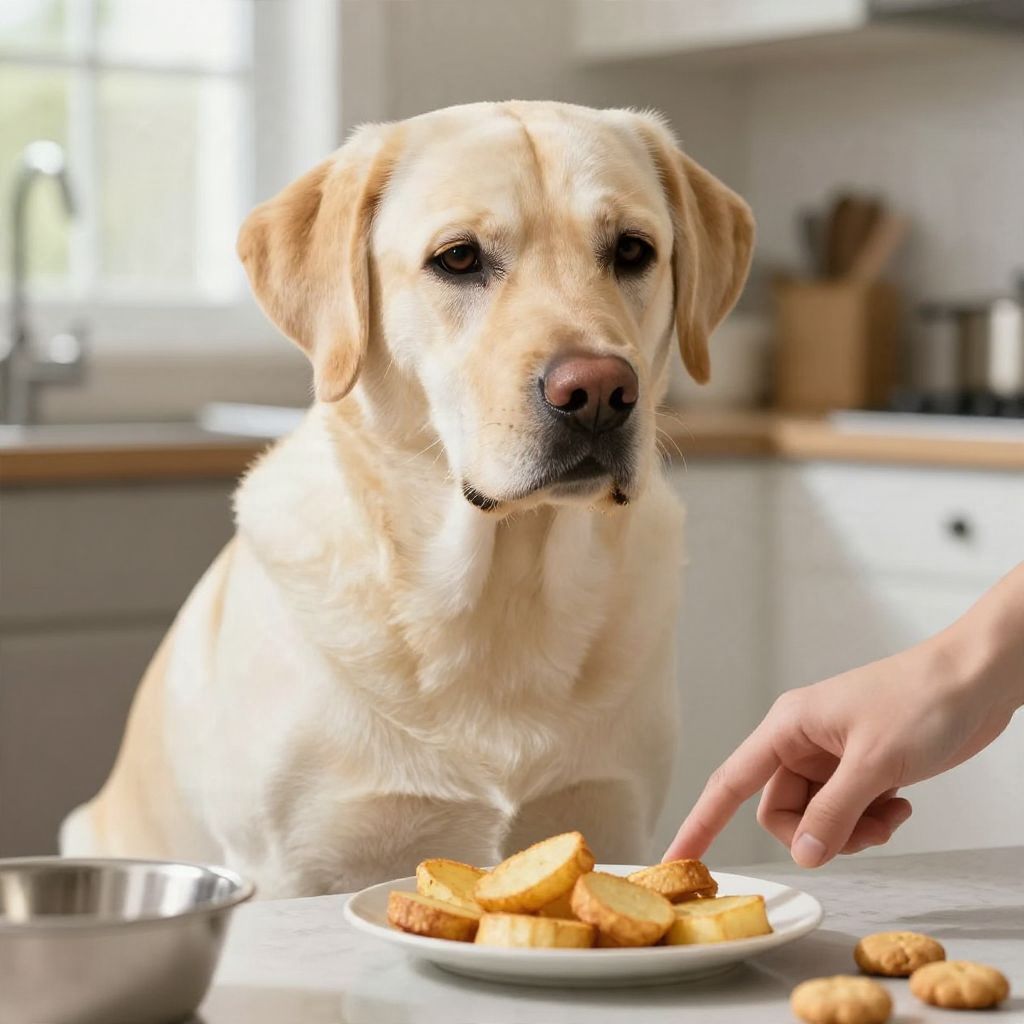
Can dogs eat hash browns? In most cases, they should not be a regular treat. Plain potato itself is not the main problem, but hash browns are usually cooked with oil, butter, salt, onion, garlic, or seasoning that can upset your dog’s stomach or be harmful.
If your dog ate a small bite of plain hash brown, they will often be okay, but larger amounts or heavily seasoned versions can cause trouble. Watch for vomiting, diarrhea, restlessness, or signs of pain, and call your veterinarian if you are unsure.
Can Dogs Eat Hash Browns?
Dogs should generally not eat hash browns as a routine snack. A tiny amount of plain, unseasoned potato may not be dangerous for many dogs, but hash browns are usually fried and salted, which can lead to stomach upset, pancreatitis risk in sensitive dogs, or toxic exposure if onion or garlic is included.
Why Hash Browns Can Be a Problem for Dogs
Hash browns are made for people, not dogs. The potato itself is not the main concern; the cooking method and added ingredients are what make them risky.
Common ingredients that cause trouble
- Oil or butter: High-fat foods can trigger vomiting, diarrhea, or more serious digestive upset in some dogs.
- Salt: Too much sodium can be hard on dogs, especially if they eat a large portion.
- Onion or garlic powder: These ingredients are unsafe for dogs and should be avoided.
- Seasoning blends: Spices, flavorings, and added herbs may irritate your dog’s stomach.
- Grease: Very greasy foods can be especially problematic for dogs with sensitive digestion or a history of pancreatitis.
Why individual dogs may react differently
How a dog responds depends on body size, age, health, and what else they ate. A healthy adult dog may handle a small accidental bite better than a puppy, a toy breed, or a dog with a history of stomach or pancreas problems.
If Your Dog Ate Hash Browns, What Should You Do?
Stay calm and check what was in the food. The biggest concern is whether the hash browns contained onion, garlic, a lot of salt, or a greasy coating.
- Remove any remaining food so your dog cannot keep eating it.
- Check the ingredients if the hash browns came from a restaurant, freezer bag, or takeout meal.
- Offer fresh water.
- Monitor your dog for digestive upset over the next several hours.
- Call your veterinarian if your dog ate a large amount or if you are unsure about ingredients.
When to call a veterinarian promptly
Contact your vet if your dog ate hash browns that contained onion or garlic, or if your dog has a medical condition that makes rich foods riskier. This is especially important for puppies, seniors, and dogs with pancreatitis, diabetes, or chronic digestive issues.
Warning Signs That Need Urgent Veterinary Care
Some signs mean your dog needs immediate veterinary attention, not just home monitoring. Do not wait if you notice any of the following:
- Repeated vomiting or inability to keep water down
- Severe diarrhea or diarrhea with blood
- Swollen or painful abdomen
- Weakness, collapse, or extreme lethargy
- Tremors, wobbliness, or trouble walking
- Labored breathing
- Signs of dehydration, such as dry gums or marked tiredness
- Facial swelling, hives, or sudden itching after eating
If your dog ate hash browns with onion or garlic and later seems weak, pale, or unusually tired, seek veterinary help right away. Those ingredients can cause delayed but serious problems.
Are Plain Potatoes Safer Than Hash Browns?
Plain cooked potato is generally less concerning than hash browns, but it still should only be offered in small amounts and without butter, salt, or seasoning. Potato is not a necessary part of a dog’s diet, and it should never replace balanced dog food.
Safer potato serving basics
- Offer only plain, fully cooked potato.
- Avoid fried, salted, or heavily seasoned preparations.
- Keep portions small, especially for small dogs.
- Do not use potato as a daily treat.
If you want a better understanding of potato safety in general, you may also find this helpful: can dogs eat cooked potatoes.
How Much Hash Brown Is Too Much?
There is no universal safe amount because the risk depends on the recipe and your dog’s health. A tiny accidental crumb of plain hash brown may not cause problems in many dogs, but a full serving, a greasy portion, or any hash brown with onion or garlic is much more concerning.
Instead of focusing on a exact amount, use these practical questions:
- Was it plain or seasoned?
- Was it fried in a lot of oil?
- Did it contain onion, garlic, or onion powder?
- Is your dog small, elderly, very young, or medically fragile?
- Has your dog had pancreatitis or food sensitivity before?
What Symptoms Might Appear After Eating Hash Browns?
Some dogs show no signs at all after eating a small amount. Others may develop stomach upset within hours, especially if the food was greasy or heavily seasoned.
Possible mild symptoms
- Soft stool
- Mild vomiting
- Temporary loss of appetite
- Gassiness
- Restlessness or mild discomfort
Possible more serious symptoms
- Repeated vomiting
- Marked abdominal pain
- Refusal to eat
- Extreme tiredness
- Weakness or collapse
Symptoms can vary based on your dog’s size, age, and underlying health. A dog that seems fine at first may still need monitoring if the hash browns were rich or contained unsafe ingredients.
Special Considerations for Puppies, Seniors, and Sensitive Dogs
Some dogs are more likely to react badly to hash browns, even in small amounts. Puppies, older dogs, and dogs with medical conditions often have less tolerance for rich or salty foods.
Puppies
Puppies have smaller bodies and more sensitive digestive systems. Even a small amount of greasy food can cause stomach upset, so it is best to avoid hash browns entirely.
Senior dogs
Older dogs may have slower digestion or medical issues that make rich food harder to handle. If your senior dog has kidney disease, heart disease, diabetes, or a history of pancreatitis, skip hash browns and ask your vet about safer treats.
Dogs with sensitive stomachs
If your dog already gets diarrhea, vomiting, or gas from new foods, hash browns are a poor choice. Stick to simple, consistent treats recommended by your veterinarian.
Safer Treat Alternatives to Hash Browns
If you want to share a snack with your dog, choose something simpler and more predictable. Treats should still be small and should not make up a large part of the diet.
- Plain cooked carrots
- Plain green beans
- Small pieces of apple without seeds
- Plain cooked pumpkin
- Commercial dog treats made for your dog’s size and needs
For dogs with weight concerns, treat choices matter even more. Fried foods like hash browns can add unnecessary calories and fat very quickly.
Common Mistakes to Avoid
When people ask “Can dogs eat hash browns,” the biggest mistakes usually involve assuming a little bit of people food is harmless. That can lead to repeated feeding of foods that are not ideal for dogs.
- Giving hash browns as a regular treat
- Feeding restaurant hash browns without checking ingredients
- Assuming “just potato” means it is safe in fried form
- Ignoring onion or garlic seasoning
- Waiting too long to call the vet after a large accidental meal
Bottom Line: Should You Feed Hash Browns to Your Dog?
It is best not to feed hash browns to your dog. Plain potato in a very small amount is less risky than fried, salted, or seasoned hash browns, but the safer choice is to avoid them and offer dog-friendly treats instead.
If your dog ate hash browns accidentally, check the ingredients, watch for symptoms, and contact your veterinarian if the food was greasy, seasoned, or contained onion or garlic. For more food-safety guidance, you may also want to read about hash browns and dog safety in more detail.