
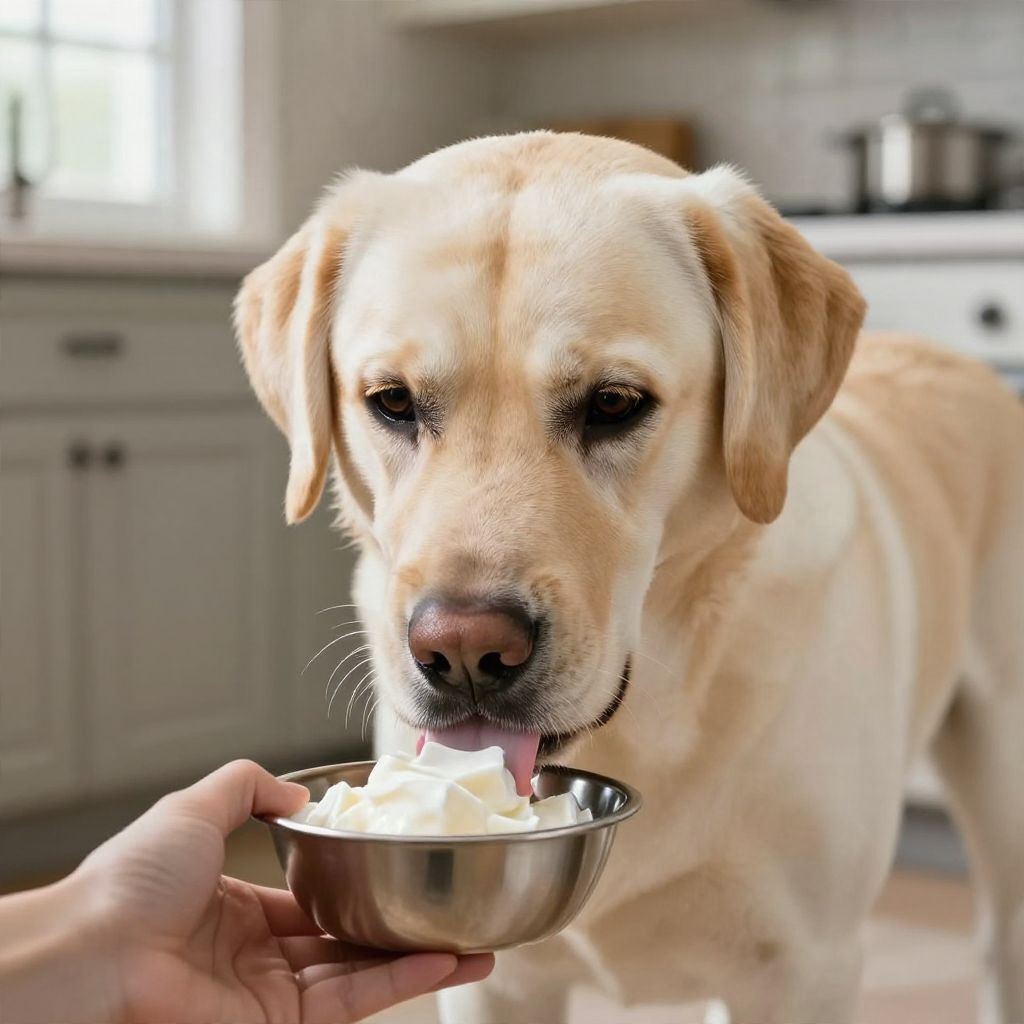
If your dog gulps cold water, licks ice cream, or snatches a frozen treat, you may wonder: can dogs get brain freeze? The short answer is yes, dogs can likely feel a brief cold-related head pain or discomfort similar to brain freeze in people, though they cannot tell you exactly what it feels like.
Most cases are mild and pass quickly, but sudden head pain, repeated distress, or other symptoms can signal a different problem. Knowing what is normal, what is not, and when to call a veterinarian helps you keep your dog safe.
Can dogs get brain freeze?
Yes, dogs can probably experience a short-lived cold-triggered head pain similar to human brain freeze. It is usually caused by very cold food or water touching the roof of the mouth. In most dogs, it is brief and harmless, but ongoing pain, vomiting, or behavior changes need veterinary attention.
What brain freeze may look like in a dog
Dogs cannot describe a headache, so you need to watch for behavior changes after very cold treats or water. The reaction is usually sudden and short, then your dog returns to normal.
- Pausing mid-eat or mid-drink
- Pulling away from the bowl
- Shaking the head or licking the lips repeatedly
- Seeming startled, uncomfortable, or briefly restless
- Stopping and then resuming normal behavior within moments
These signs are nonspecific. If they happen often, or if your dog seems painful beyond a few seconds, another issue may be involved.
Why very cold foods can trigger discomfort
Brain freeze in people is linked to rapid temperature change in the mouth and the blood vessels and nerves there. Dogs have similar mouth structures, so very cold ice, frozen treats, or icy water may cause a brief reaction. The exact sensation in dogs is not well studied, so it is best to think of it as possible cold-related discomfort rather than a confirmed diagnosis.
Common triggers
- Large chunks of ice
- Frozen peanut butter or yogurt treats
- Very cold water after exercise
- Rapid eating of frozen snacks
- Ice cream or other very cold human foods
Some dogs may be more sensitive than others. Age, dental health, mouth pain, and how quickly a dog eats can all affect how likely a reaction is.
What to do if your dog seems to get brain freeze
If your dog briefly reacts after something cold, stay calm and stop the cold item. Most dogs improve on their own within a short time. You do not need to force anything or try to “treat” it at home with medications.
- Remove the cold food or water.
- Let your dog rest for a minute or two.
- Offer normal-temperature water if your dog wants it.
- Watch for a return to normal behavior.
- Note whether it happened after a specific treat or bowl of ice water.
If the reaction is repeated, avoid that trigger and mention it to your veterinarian, especially if your dog also has dental disease, mouth sensitivity, or trouble eating.
When cold discomfort is not just brain freeze
Sometimes what looks like brain freeze is actually pain from another cause. Dogs may react to cold because of tooth problems, gum disease, a sore mouth, or an underlying illness. If the behavior is intense, frequent, or paired with other symptoms, do not assume it is harmless.
Call a veterinarian if you notice
- Drooling more than usual
- Refusing food or water
- Chewing on one side only
- Bad breath or visible mouth swelling
- Head shaking that keeps happening
- Whining, pawing at the face, or clear pain
- Vomiting, diarrhea, lethargy, or collapse
Seek urgent veterinary care if your dog has trouble breathing, seems weak or disoriented, has facial swelling, cannot swallow, or shows sudden severe pain. Those are not typical brain freeze signs.
Are ice cubes safe for dogs?
For many dogs, small amounts of ice are safe, but not every dog handles them well. Ice can be a fun enrichment item or a way to cool water, yet it can also cause discomfort, dental issues, or choking if the pieces are too large.
Safer ways to offer cold treats
- Use small, manageable pieces instead of large chunks
- Let frozen treats soften slightly before serving
- Offer cold items in moderation, not as a meal replacement
- Supervise dogs that gulp food or swallow without chewing
- Choose dog-safe ingredients only
If your dog has broken teeth, a sensitive mouth, or a history of swallowing things whole, ask your vet whether ice is appropriate.
Cold treats, ice cream, and other human foods
Brain freeze is only one concern. Many human frozen foods are not ideal for dogs because of sugar, fat, or unsafe ingredients. Some ice creams contain chocolate, xylitol, macadamia nuts, raisins, or other ingredients that can be dangerous for dogs.
Even plain ice cream can upset your dog’s stomach, especially if your dog is lactose sensitive. A small lick may not cause a problem in some dogs, but it is not a good regular treat.
Better alternatives
- Frozen dog-safe broth cubes with no onion or garlic
- Frozen pieces of dog-safe fruit in small amounts
- Commercial frozen dog treats made for canine digestion
- Chilled wet food served in a puzzle feeder, if your vet says it is appropriate
Always check ingredients first. A treat can be cold and still be unsafe.
Does breed, size, or age matter?
Any dog could react to a very cold treat, but individual factors matter more than breed labels. Puppies may be more curious and likely to gulp, while senior dogs may have more dental sensitivity or other health issues that make cold foods less comfortable.
Smaller dogs may also be more likely to eat quickly or take in a concentrated cold bite, but that is not a guarantee. Your dog’s eating style, mouth health, and overall comfort matter most.
Dogs that may need extra caution
- Puppies learning to eat and drink calmly
- Senior dogs with dental disease or arthritis
- Dogs with known mouth pain or tooth fractures
- Dogs that gulp food or swallow ice without chewing
- Dogs recovering from oral surgery or illness
How to prevent cold-related discomfort
You do not need to ban all cold treats. The goal is to reduce the chance of sudden discomfort and avoid foods that are unsafe or too hard for your dog to handle.
- Introduce cold treats slowly and in small amounts.
- Watch how your dog eats them.
- Avoid very large ice cubes or hard frozen blocks.
- Do not give frozen human desserts.
- Keep fresh water available at a comfortable temperature.
If your dog loves cold enrichment, try softer frozen options or let treats thaw a little before serving. That can reduce the chance of a sudden mouth chill.
When to talk to your veterinarian
Bring up the issue if your dog repeatedly seems uncomfortable with cold food or water. Your veterinarian can check for dental disease, oral pain, or other problems that may explain the reaction.
This is especially important if the behavior is new, worsening, or paired with appetite changes. A dog that suddenly avoids drinking, eats differently, or seems painful may need an exam rather than a guess.
The bottom line
Yes, dogs can likely get a brain-freeze-like reaction from very cold food or water, and it is usually brief. If your dog recovers quickly, it is often not serious, but repeated episodes, mouth pain, or any severe symptoms deserve a veterinary check.
If you want to keep learning about related discomfort signs, you may also find it helpful to read can dogs get headaches? and can dogs get the hiccups?.