
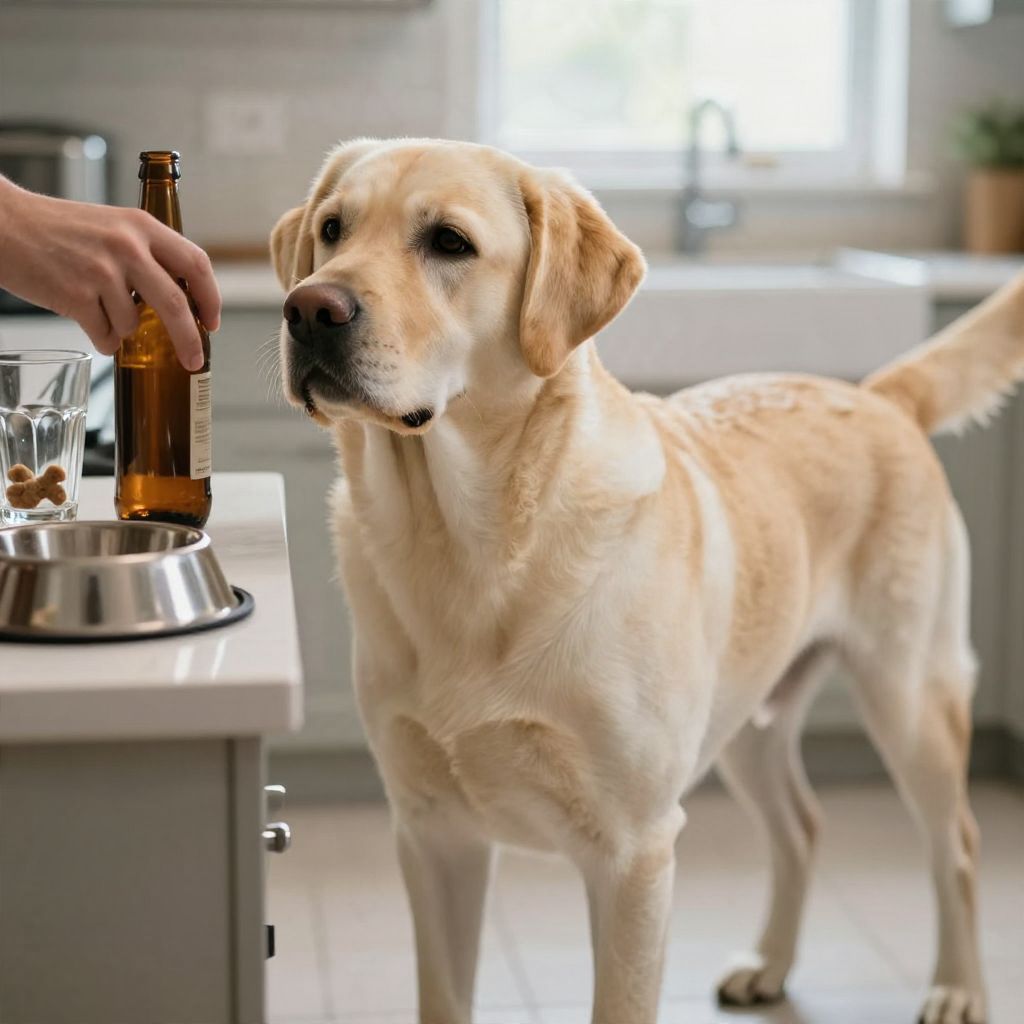
Can dogs have beer? In general, no—beer is unsafe for dogs because it contains alcohol, which can affect a dog’s nervous system, breathing, coordination, and blood sugar. Even a small amount may be a problem, especially for puppies, toy breeds, seniors, or dogs with health conditions.
If your dog licked or drank beer, the right response depends on how much was consumed and how your dog is acting. Watch closely for signs of intoxication or distress, and contact a veterinarian right away if symptoms appear or you are unsure how much was swallowed.
Can dogs have beer?
No, dogs should not drink beer. Beer is an alcoholic beverage, and alcohol is toxic to dogs. Even though beer may seem mild compared with spirits, it can still cause dangerous effects, especially in smaller dogs or dogs that consume it quickly.
Why beer is risky for dogs
Beer can harm dogs in several ways. The alcohol itself is the main danger, but carbonation, hops, and added flavorings can also make the situation worse depending on the product.
Alcohol affects dogs faster than many people expect
Dogs are not built to process alcohol safely. Their size, metabolism, and individual health all influence how strongly they react, so what seems like a tiny amount to you may be enough to cause illness in a dog.
Beer can lead to intoxication and more serious problems
- Loss of coordination and stumbling
- Vomiting or drooling
- Lethargy or unusual sleepiness
- Low body temperature
- Low blood sugar, especially in small dogs and puppies
- Breathing changes in severe cases
- Collapse, seizures, or coma in emergencies
Some ingredients may add extra concern
Plain beer is already unsafe because of alcohol. Flavored beers, craft beers, and mixed drinks may contain additional ingredients that are not safe for dogs, so it is best not to assume any beer product is harmless.
What to do if your dog drank beer
If your dog only licked a small spill, stay calm and monitor closely. If your dog drank a noticeable amount, is very small, is a puppy, or has any symptoms, call your veterinarian or an emergency clinic promptly for advice.
- Remove the beer and keep your dog away from any spilled liquid or open containers.
- Check how much may have been consumed and when it happened.
- Watch for changes in behavior, balance, breathing, or alertness.
- Contact a veterinarian if you are unsure, even if symptoms are mild at first.
Emergency warning signs
Seek urgent veterinary care immediately if your dog has any of the following:
- Repeated vomiting
- Marked wobbliness or inability to stand
- Extreme sleepiness or difficulty waking your dog
- Tremors or seizures
- Slow, shallow, or unusual breathing
- Pale gums, collapse, or unresponsiveness
Does size, age, or health matter?
Yes. A dog’s size, age, and medical history can change how dangerous beer is. Smaller dogs, puppies, senior dogs, and dogs with liver disease, diabetes, or other health problems may be at greater risk from even modest exposure.
Puppies and small dogs
Puppies and toy breeds have less body mass, so alcohol can affect them more quickly. They may also become hypoglycemic more easily, which can make a beer exposure more dangerous.
Senior dogs and dogs with medical issues
Older dogs or dogs with chronic illness may recover more slowly and may be less able to tolerate alcohol exposure. If your dog already has a medical condition, do not wait for symptoms to worsen before calling a vet.
What if it was just a lick or a sip?
A tiny lick from a spilled beer may not cause a major problem in every dog, but it is still not something to encourage. The safest approach is to prevent further access and monitor for any change in behavior over the next several hours.
Call your veterinarian sooner if your dog is very small, seems unusually sleepy, vomits, acts unsteady, or if you are not sure whether the amount was more than a lick. When in doubt, professional guidance is better than guessing.
Can dogs have non-alcoholic beer?
Non-alcoholic beer is not a good dog drink either. Some products still contain trace alcohol, and many include carbonation, hops, sweeteners, or flavorings that are not ideal for dogs. Water is the safest everyday drink for your dog.
Safe alternatives to beer for dogs
If you want to include your dog in a social moment, choose dog-safe options instead of beer. These should still be offered in moderation and should never replace a balanced diet or regular fresh water.
- Fresh water in a clean bowl
- Ice cubes or crushed ice as a cooling treat, if your dog tolerates them
- Dog-safe treats made for training or enrichment
- Vet-approved enrichment toys or food puzzles
How to prevent beer accidents
Prevention matters because many beer exposures happen during gatherings, backyard events, or when drinks are left within reach. A few simple habits can reduce the risk.
- Keep open drinks out of reach of your dog.
- Clean up spills right away.
- Do not let guests offer your dog sips “for fun.”
- Use a leash or secure area during parties and cookouts.
- Dispose of cans, bottles, and cups where your dog cannot access them.
When to call the vet even if your dog seems okay
It is wise to call a veterinarian if your dog drank beer and you are unsure how much was consumed, how long it has been since the exposure, or whether the beer contained other ingredients. Dogs can look normal at first and then worsen later.
Do not try to make your dog vomit unless a veterinarian specifically tells you to do so. Home treatment can be unsafe, especially if your dog is already drowsy or uncoordinated.
Bottom line
Dogs should not have beer. Alcohol can make dogs sick quickly, and serious symptoms can become an emergency. If your dog drank beer, monitor closely, contact your veterinarian for guidance, and get urgent help right away if your dog is wobbly, very sleepy, vomiting, or having trouble breathing.
If you want to learn more, you may also find this helpful: can dogs drink beer and can dogs get drunk.