
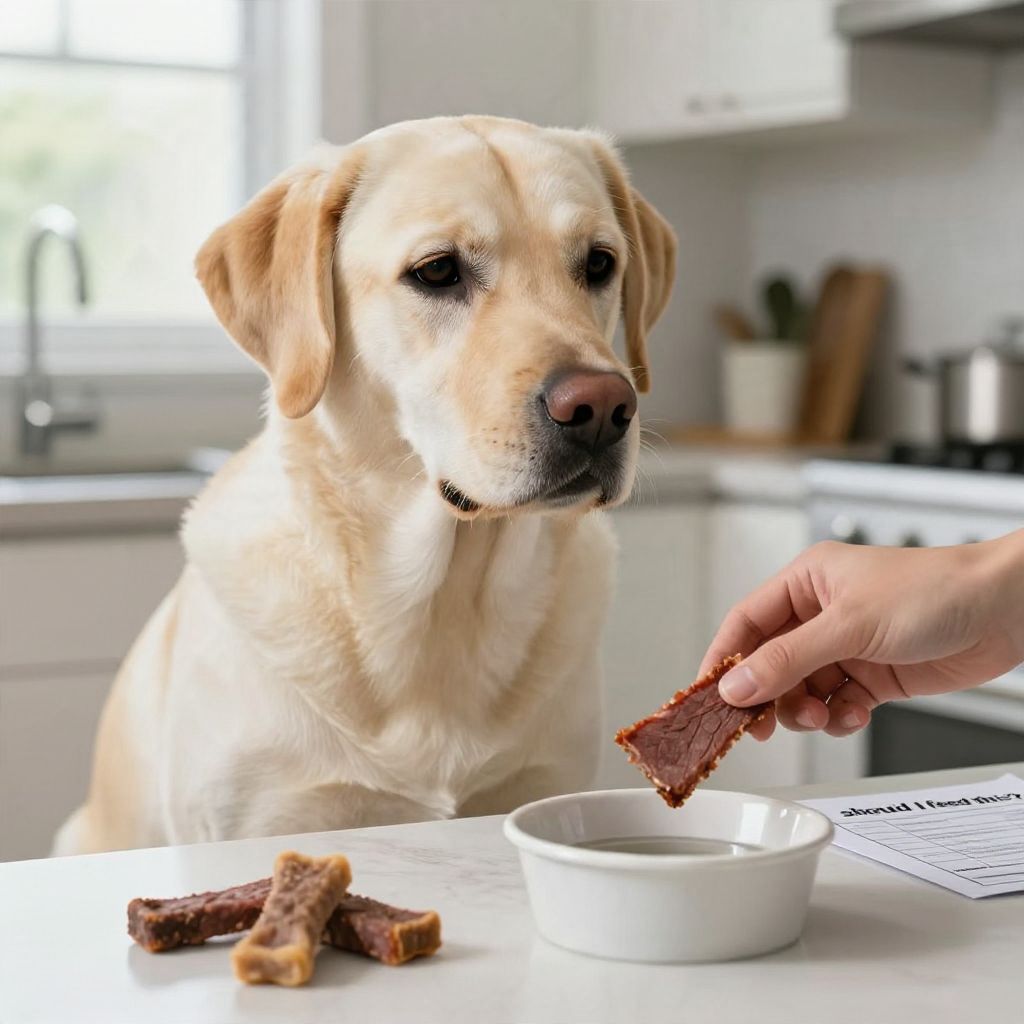
Can dogs have corned beef? In small amounts, plain corned beef is not usually toxic to dogs, but it is far from an ideal treat. It is typically very high in salt and fat, and many versions contain seasonings or preservatives that can upset your dog’s stomach or worsen health problems.
If your dog ate a little corned beef, they may be fine, but larger amounts can cause vomiting, diarrhea, thirst, or more serious issues in sensitive dogs. The safest approach is to keep it as an occasional accidental bite, not a regular food.
Can dogs have corned beef?
Yes, dogs can eat a tiny amount of plain corned beef occasionally, but it is not a healthy choice. Corned beef is usually too salty and fatty for regular feeding, and seasoned or processed versions can be especially risky for dogs with heart, kidney, or digestive problems.
Why corned beef is risky for dogs
Corned beef is cured meat, which means it is preserved with salt and often other ingredients that make it less suitable for dogs than plain cooked meat. The main concerns are sodium, fat, and added seasonings.
High sodium content
Too much salt can make dogs excessively thirsty and may lead to stomach upset. In severe cases, very salty foods can contribute to dangerous sodium imbalance, especially if a dog eats a large portion or has limited access to water.
High fat content
Fatty foods can trigger digestive upset in many dogs. In some dogs, rich meats can also contribute to pancreatitis, a painful and potentially serious condition that needs veterinary attention.
Seasonings and additives
Some corned beef products contain spices, garlic, onion, or other flavorings. Garlic and onion are not safe for dogs, and processed deli-style meats may also contain preservatives or extra sodium that make them a poor choice.
When a little corned beef may be okay
If the corned beef is plain, fully cooked, and unseasoned, a very small bite may be acceptable for a healthy adult dog as an occasional treat. This does not mean it should become a routine snack.
- Offer only a tiny piece, not a meal portion.
- Remove visible fat and any seasoning when possible.
- Keep it rare, not daily.
- Use it only if your dog has no known salt-sensitive or fat-sensitive health issues.
For many dogs, there are better treat options with less salt and fat, such as small pieces of plain cooked chicken or dog-safe commercial treats.
Dogs who should avoid corned beef
Some dogs should not have corned beef at all, even in small amounts. Their bodies may handle sodium or fat poorly, making a “small treat” a bigger risk.
Higher-risk dogs include:
- Dogs with pancreatitis or a history of it
- Dogs with heart disease
- Dogs with kidney disease
- Dogs with high blood pressure
- Dogs prone to stomach upset or diarrhea
- Overweight dogs or dogs on a weight-management plan
- Puppies, which may be more sensitive to rich foods
- Senior dogs with chronic health conditions
If your dog has any medical condition, ask your veterinarian before offering processed meats.
What to do if your dog ate corned beef
What happens next depends on how much your dog ate, whether it was seasoned, and your dog’s size and health. A small accidental bite is often less concerning than a large serving or a sandwich loaded with extras.
- Stay calm and estimate how much was eaten.
- Check whether it contained onion, garlic, sauces, or other risky ingredients.
- Offer fresh water.
- Watch your dog for stomach upset or unusual behavior.
- Contact your veterinarian if the amount was large or your dog has a health condition.
Call a veterinarian promptly if you notice:
- Repeated vomiting
- Diarrhea that is severe or ongoing
- Marked lethargy or weakness
- Abdominal pain or a tense belly
- Refusing food or water
- Excessive thirst or urination
- Shaking, restlessness, or collapse
Seek urgent veterinary care immediately if:
- Your dog has trouble breathing
- Your dog collapses or seems disoriented
- Your dog has repeated vomiting and cannot keep water down
- Your dog may have eaten a large amount of salty food and is acting unwell
- You suspect the corned beef contained onion or garlic in a meaningful amount
Can dogs have corned beef and cabbage?
Corned beef and cabbage is not a good dog food. Plain cooked cabbage in small amounts is generally less concerning than corned beef, but the meat is still the main problem because of salt, fat, and seasoning. If your dog got a small bite of cabbage with a tiny piece of meat, that is usually less worrisome than a large portion.
Can dogs have corned beef hash or deli corned beef?
These versions are usually even less suitable than plain corned beef. Corned beef hash often includes extra salt, oil, onions, potatoes, and seasonings, while deli corned beef can be highly processed and very salty. For dogs, processed human meats are best avoided whenever possible.
Safer ways to share food with your dog
If you want to give your dog something special, choose foods that are simpler and easier on the digestive system. The best treat is one that fits your dog’s size, health, and daily calorie needs.
- Plain cooked chicken or turkey without skin, seasoning, or bones
- Small pieces of plain cooked lean beef
- Dog-safe vegetables such as carrots or green beans
- Commercial dog treats made for your dog’s size and diet
Even safer treats should still be given in moderation so they do not unbalance your dog’s regular diet.
How much is too much?
There is no universal safe amount of corned beef for every dog. Tolerance varies with body size, age, activity level, and health. A large, healthy adult dog may handle a tiny piece better than a small dog or one with chronic illness, but no amount makes corned beef a good everyday option.
As a practical rule, if the food is salty, fatty, or heavily seasoned, keep the portion extremely small or skip it altogether.
Common mistakes to avoid
- Giving corned beef regularly because your dog seems to like it
- Feeding the fatty trimmings
- Offering corned beef from a sandwich with onions, sauces, or pickles
- Using it as a training treat in place of healthier options
- Assuming a small dog can “just handle it” because they begged for more
The bottom line on can dogs have corned beef
Can dogs have corned beef? Yes, but only in very small amounts and only if it is plain, unseasoned, and not part of a regular diet. Because of the salt, fat, and processing, it is better treated as an occasional mistake or rare taste than a true dog treat. If your dog ate a lot or seems unwell, contact your veterinarian.
If you want to learn more about related food safety topics, you may also find it helpful to read can dogs eat corn cobs and can dogs eat ham.