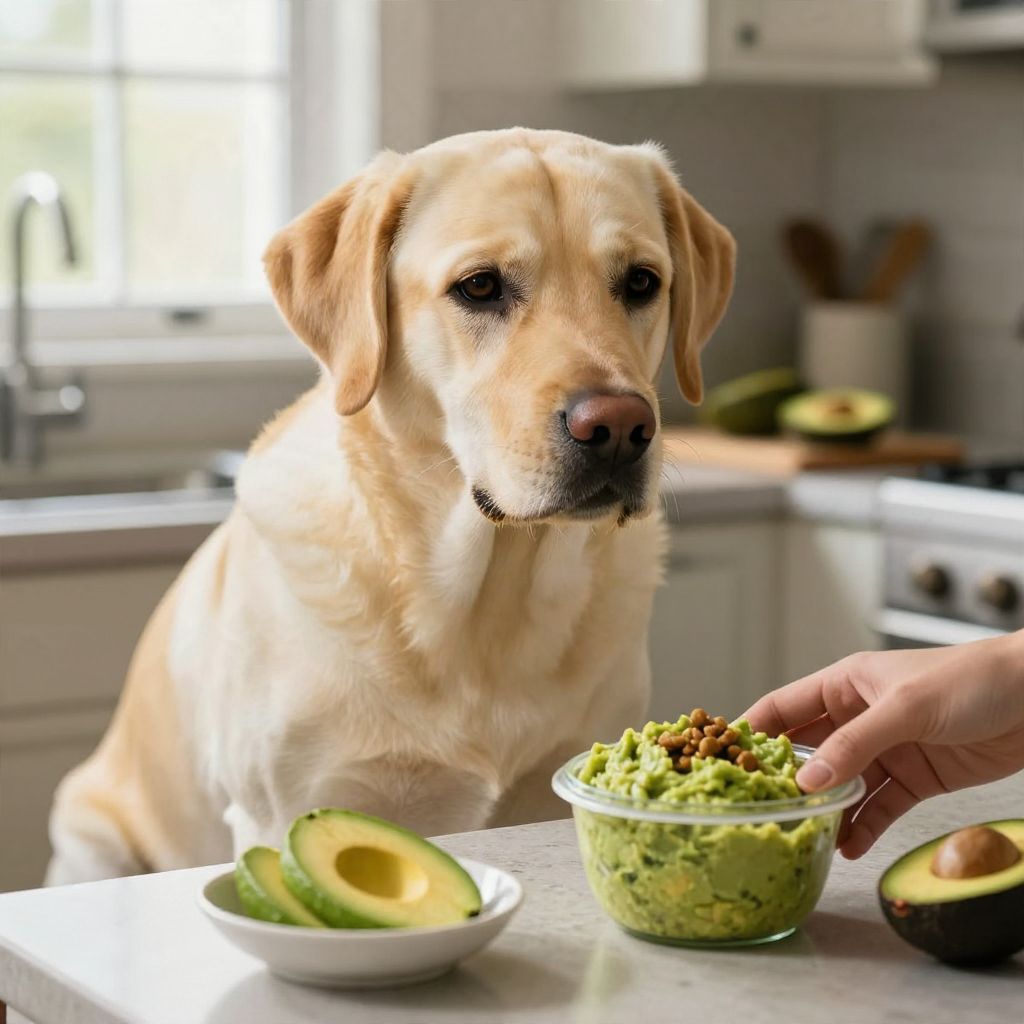
Can dogs have guacamole? In most cases, no—guacamole is not a safe treat for dogs because it often contains ingredients that can upset the stomach or be toxic, especially onion, garlic, and too much salt. Even plain avocado should be offered with caution, if at all, because it is rich and can cause digestive trouble.
If your dog grabbed a small lick, monitor for vomiting, diarrhea, drooling, or discomfort. If the guacamole contained onion or garlic, or your dog ate a large amount, contact your veterinarian right away for guidance.
Can dogs have guacamole?
Generally, dogs should not eat guacamole. While avocado flesh itself is not the main danger in every case, guacamole usually includes onion, garlic, lime juice, salt, and spices that can irritate a dog’s digestive system or cause more serious problems. The safest choice is to keep guacamole off your dog’s menu.
Why guacamole is risky for dogs
Guacamole is a mixed food, and the risk depends on what is in the bowl. A tiny taste may only cause mild stomach upset in some dogs, while a larger amount or a recipe with onion or garlic can be much more concerning.
Common guacamole ingredients that may harm dogs
- Onion and garlic: These are the biggest concern because they can damage red blood cells and may cause illness after eating enough.
- Salt: Too much can worsen thirst, vomiting, or diarrhea and is especially risky if a dog eats a lot.
- Spices and hot seasonings: These can irritate the stomach and mouth.
- Lime juice or acidic ingredients: These may trigger stomach upset in sensitive dogs.
- Avocado pit and skin: These are not safe to chew and can create a choking or blockage hazard.
What about the avocado itself?
Avocado flesh is not usually the main toxic concern in dogs, but it is fatty and can be hard on some stomachs. Dogs with sensitive digestion, a history of pancreatitis, or weight concerns may be more likely to react badly to rich foods.
What happens if a dog eats guacamole?
The reaction depends on how much was eaten, your dog’s size, and the ingredients used. Some dogs only develop mild gastrointestinal upset, while others may need urgent veterinary care if the guacamole contained onion, garlic, or a large amount of fat or salt.
Possible signs to watch for
- Vomiting
- Diarrhea
- Drooling
- Reduced appetite
- Abdominal discomfort
- Lethargy
- Restlessness or pacing
Red-flag symptoms that need prompt veterinary attention
- Repeated vomiting
- Bloated or painful abdomen
- Weakness, collapse, or trouble breathing
- Pale gums
- Blood in vomit or stool
- Severe diarrhea
- Known ingestion of onion or garlic in any meaningful amount
What to do if your dog ate guacamole
Stay calm and check the ingredient list if you can. The right next step depends on what was in the guacamole and how much your dog ate.
- Remove any remaining guacamole so your dog cannot eat more.
- Check for onion, garlic, chives, jalapeños, or a lot of salt.
- Estimate how much your dog ate and note your dog’s weight.
- Watch closely for vomiting, diarrhea, drooling, or unusual behavior.
- Call your veterinarian or an emergency clinic if onion, garlic, or a large amount was eaten, or if symptoms appear.
Do not try to make your dog vomit unless a veterinarian specifically instructs you to do so. If your dog is having trouble breathing, collapsing, or seems severely unwell, seek emergency care immediately.
Can dogs have plain avocado instead?
Plain avocado is not the same as guacamole, but it still should be given cautiously. A small amount of plain avocado flesh may not cause problems for every dog, yet it is rich and can upset the stomach. It should never be treated as a regular snack or meal replacement.
When plain avocado is more likely to be a problem
- Your dog has a sensitive stomach
- Your dog has had pancreatitis
- Your dog is overweight or on a restricted diet
- Your dog is a puppy with a delicate digestive system
- Your dog ate the pit or skin
Are some dogs more vulnerable than others?
Yes. A small dog may be affected by a smaller amount than a larger dog simply because of body size. Puppies, senior dogs, and dogs with medical conditions can also be more sensitive to rich or seasoned foods.
Extra caution for these dogs
- Puppies: Their stomachs can be more reactive, and they are more likely to swallow unsafe pieces whole.
- Small dogs: Even a modest amount can have a bigger impact relative to body size.
- Dogs with pancreatitis history: Fatty foods may trigger a flare-up.
- Dogs with food sensitivities: Seasonings and acidic ingredients may cause more noticeable upset.
- Senior dogs: They may recover more slowly from stomach upset or dehydration.
Safe ways to keep your dog from getting guacamole
Prevention matters because guacamole often sits out at parties, on counters, or near snacks where dogs can reach it. A little planning can prevent an emergency.
- Keep guacamole and chips out of reach on counters and tables.
- Use covered containers when serving or storing leftovers.
- Remind guests not to share human food with your dog.
- Dispose of pits, skins, and scraps in a secure trash bin.
- Supervise your dog during gatherings when food is left unattended.
Dog-friendly alternatives to guacamole
If you want to offer your dog a special treat, choose simple, dog-safe foods instead of seasoned dips. Treats should still make up only a small part of the diet.
- Small pieces of plain cooked chicken
- Plain cooked pumpkin
- Plain cucumber slices
- Plain green beans
- Commercial dog treats made for your dog’s size and dietary needs
Always introduce new foods slowly and in small amounts, especially if your dog has a sensitive stomach. If your dog has a medical condition, ask your veterinarian before offering new treats.
When to call the vet about guacamole exposure
Call your veterinarian if your dog ate guacamole and you are unsure what was in it, especially if onion or garlic may have been included. You should also seek advice if your dog has vomiting, diarrhea, or seems uncomfortable after eating it.
Get urgent help now if your dog collapses, has trouble breathing, has a swollen abdomen, cannot keep water down, or ate a large amount of guacamole with onion or garlic.
Bottom line
Can dogs have guacamole? It is best to say no. Guacamole is usually unsafe because of onion, garlic, salt, spices, and its rich ingredients. If your dog ate some, monitor closely and contact your veterinarian if the recipe contained risky ingredients or your dog shows any symptoms.
If you want to learn more about avocado-related risks, you may also find these related guides helpful: can dogs eat guacamole and can dogs eat avocado.