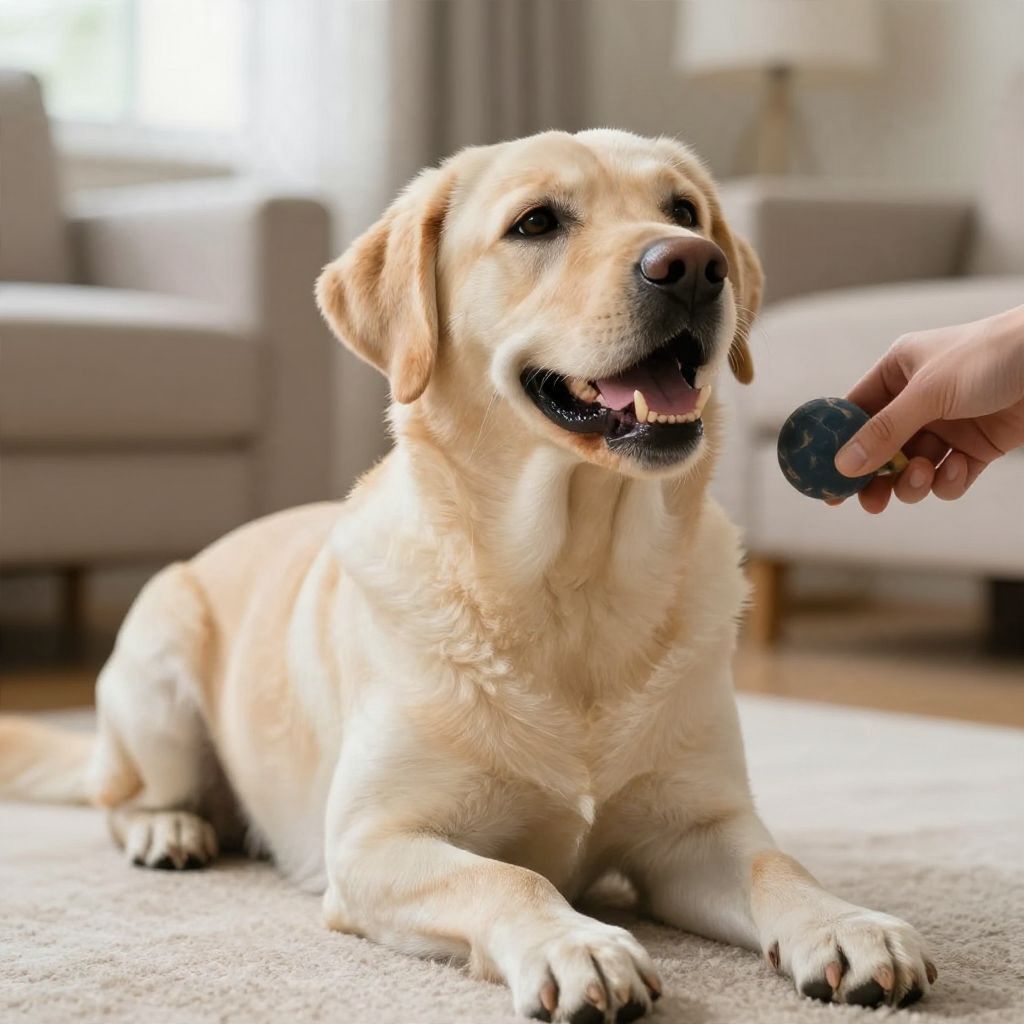
Can dogs laugh? Not in the same way humans do, but many dogs do show a happy, breathy “play pant” that can look and sound like laughter. If you know what to watch for, you can tell the difference between relaxed play and signs of stress or illness.
Understanding your dog’s body language matters, because a happy sound is not always a healthy one. If your dog’s breathing changes suddenly, seems distressed, or you notice coughing or collapse, contact a veterinarian right away.
Can dogs laugh?
Dogs do not laugh with words or human-style humor, but they can make a soft, panting vocalization during play that some people describe as laughter. This usually happens when a dog is relaxed, engaged, and socially comfortable. It is not a guaranteed sign of happiness, so context and body language matter.
What “dog laughter” usually sounds like
The sound people call dog laughter is often a loose, breathy exhale mixed with panting. It may happen during tug, chase, wrestling, or other enjoyable social play.
Common signs that the sound is part of positive play include:
- Loose, wiggly body posture
- Relaxed ears and face
- Play bows or bouncy movement
- Taking turns during play
- Stopping easily when the game ends
Some dogs are naturally more vocal or expressive than others. Age, breed type, energy level, and past social experiences can all influence how often you hear these sounds.
How to tell happy play from stress
A dog can pant, vocalize, or “smile” for reasons that are not playful. The safest way to interpret the sound is to look at the whole dog, not just the noise.
Signs the dog is likely having fun
- Body looks loose rather than stiff
- Mouth is open in a relaxed way
- Dog re-engages after brief pauses
- Tail movement is loose and natural for that dog
- Dog can disengage without panic or guarding
Signs the dog may be uncomfortable
- Stiff posture or frozen movement
- Closed mouth with tense face
- Lip licking, yawning, or turning away repeatedly
- Growling that escalates, snapping, or hiding
- One dog constantly chasing, pinning, or overwhelming the other
If you are unsure, pause the interaction and give your dog space. Good play should be voluntary, balanced, and easy to interrupt.
When a “laughing” sound is actually a breathing problem
Sometimes a noisy breath can be mistaken for laughter. This is especially important if the sound appears suddenly, happens outside play, or is paired with other symptoms.
Call a veterinarian promptly if you notice:
- Persistent coughing or gagging
- Labored breathing or rapid breathing at rest
- Blue, gray, or very pale gums
- Collapse, weakness, or extreme lethargy
- Repeated retching without producing vomit
- Wheezing, honking, or noisy inhaling
Seek urgent veterinary care immediately if your dog is struggling to breathe, collapses, has a swollen abdomen, or seems unable to recover after exercise or excitement. Do not wait to “see if it passes.”
Why some dogs seem to “laugh” more than others
Not every dog makes the same sounds during play. Individual personality matters, and so do physical and behavioral factors.
- Age: Puppies may be noisier and more impulsive, while seniors may play more quietly or tire faster.
- Body size and shape: Dogs with shorter muzzles or other airway challenges may breathe noisily during excitement and need closer monitoring.
- Temperament: Some dogs are naturally more vocal, social, or expressive.
- Training history: Dogs that have learned safe play skills often show clearer, calmer signals.
- Health status: Pain, obesity, heart disease, airway disease, and heat stress can all affect breathing and play tolerance.
Because these factors vary, a sound that is normal for one dog may be concerning for another.
How to encourage healthy, happy play
If your dog seems to “laugh” during play, you can support that positive behavior by keeping play safe and low-pressure. The goal is not to force excitement, but to help your dog feel comfortable and engaged.
- Choose a calm, safe area with enough space to move.
- Use toys that are appropriate for your dog’s size and chewing style.
- Watch for loose, reciprocal play rather than nonstop chasing or roughness.
- Take short breaks so your dog can reset and breathe normally.
- End the game while your dog is still having fun.
Reward-based training can also help your dog learn polite play skills, such as coming when called, dropping a toy, and settling on cue. These skills make social time safer and more enjoyable.
Common mistakes to avoid
When people ask, “Can dogs laugh?” they sometimes focus only on the sound and miss the bigger picture. A few common mistakes can make play less safe.
- Assuming every panting sound means happiness
- Letting play continue after one dog looks worried or overwhelmed
- Ignoring signs of fatigue, overheating, or pain
- Using rough handling or punishment to control behavior
- Forcing interaction between dogs that do not want it
If your dog regularly seems overstimulated, avoid crowded dog parks or chaotic play groups until you understand what triggers the behavior. A qualified trainer or veterinary behaviorist can help you build safer routines.
What to do if your dog never seems to “laugh”
Some dogs are quiet, and that can be completely normal. A dog does not need to make a particular sound to be happy, bonded, or well-adjusted.
Instead of looking for laughter, watch for signs your dog is thriving:
- Approaches you willingly
- Enjoys games and walks
- Recovers quickly after excitement
- Has a stable appetite and energy level
- Shows relaxed body language around familiar people
If your dog has become unusually quiet, withdrawn, or less playful, that change matters more than the absence of a “laugh.” Pain, anxiety, illness, and aging can all reduce social behavior.
When to ask a veterinarian or behavior professional
You should contact a veterinarian if the sound you hear seems tied to breathing trouble, coughing, exercise intolerance, or any sudden change in health. A vet can help determine whether it is normal panting, excitement, or a medical issue.
Consider a certified trainer or veterinary behaviorist if your dog:
- Cannot relax around other dogs
- Gets overexcited and cannot disengage
- Shows fear, reactivity, or guarding during play
- Has repeated conflicts with household dogs
- Needs help learning safe social skills
Professional guidance is especially useful for puppies, newly adopted dogs, and dogs with a history of rough or limited socialization.
Bottom line
Dogs do not laugh like humans, but many make happy, breathy sounds during play that can seem like laughter. Focus on body language, not just the noise, and treat any breathing change, collapse, or distress as a veterinary concern. If the play looks loose, balanced, and voluntary, your dog is probably having a good time.
If you want to learn more about how dogs interpret human behavior, you may also find do dogs understand kisses? and do dogs think? helpful.