
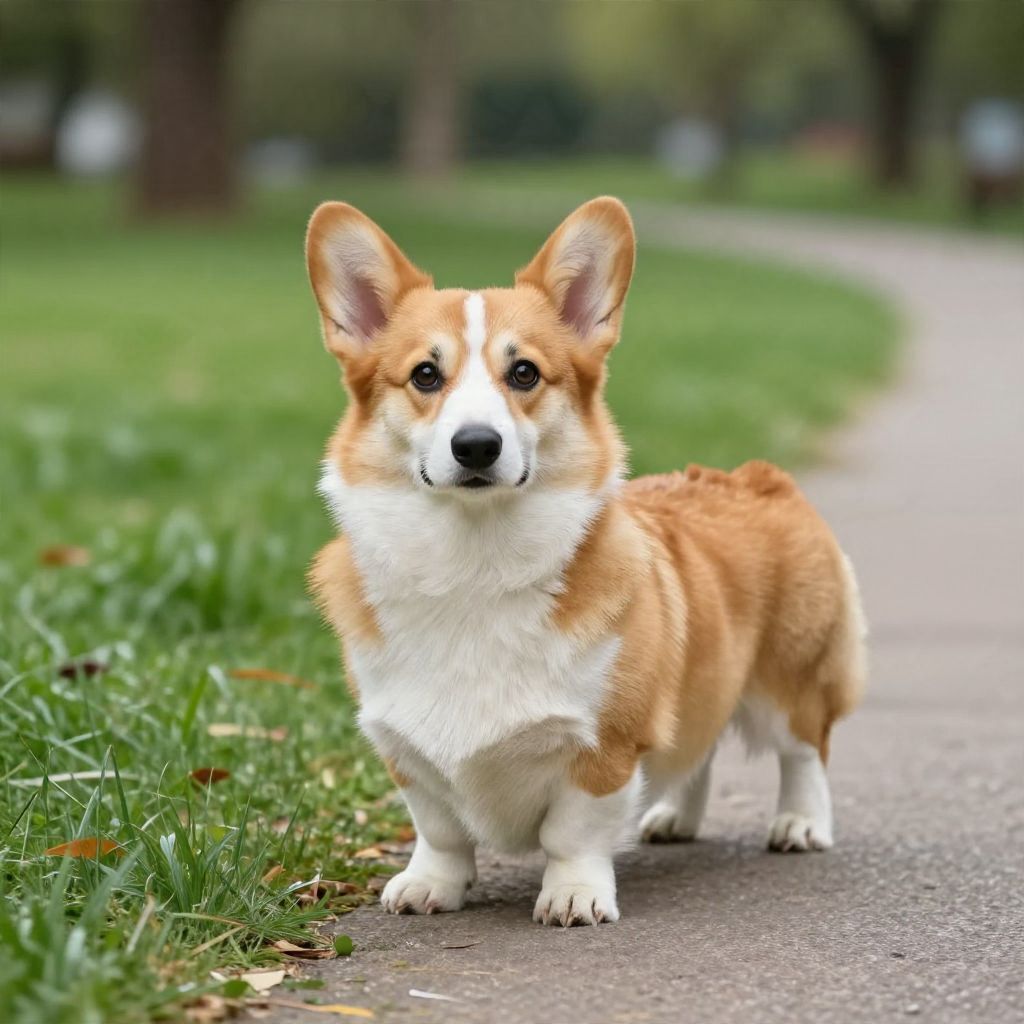
Do Corgis have tails? Some do, and some don’t. It depends on the individual dog, the breed variety, and whether the tail was left natural or shortened in the past.
If you’re wondering what’s normal, the answer is usually simple: many Pembroke Welsh Corgis are born with tails, while some are naturally bobtailed or have had tails docked historically. Cardigan Welsh Corgis typically have long tails.
Do Corgis Have Tails?
Yes, many Corgis have tails. Whether a Corgi has a full tail, a short tail, or no visible tail depends on the specific breed line and the dog’s individual genetics. A tail is normal in Corgis and can help with balance, communication, and expression.
Which Corgi Types Usually Have Tails?
Corgi is a general term that includes two recognized breed types, and tail length is not the same for both.
Pembroke Welsh Corgis
Pembroke Welsh Corgis are the type most people picture when they ask about Corgi tails. Many Pembrokes are born with tails, but some have naturally short tails, and some historically had tails shortened. Today, whether a Pembroke has a tail can vary by breeding line and local rules.
Cardigan Welsh Corgis
Cardigan Welsh Corgis typically have long, full tails. If you see a Corgi with a noticeable tail, it may be a Cardigan or a Pembroke with an intact tail.
Why a Corgi’s Tail Matters
A dog’s tail is more than decoration. It helps with balance, especially during quick turns, and it is an important part of canine body language. A wagging, tucked, stiff, or low tail can all give you clues about mood, comfort, and confidence.
- Balance: Useful when running, pivoting, or navigating uneven ground.
- Communication: Helps other dogs and people read emotional signals.
- Expression: Makes it easier to notice excitement, uncertainty, or stress.
Is It Normal for a Corgi to Have a Short or No Tail?
Yes, it can be normal. Some Corgis are naturally born with very short tails, while others may have had tails docked in the past. If your dog has a short tail, that alone does not mean there is a health problem.
What matters more is whether the tail area looks healthy. You should watch for pain, swelling, skin irritation, trouble defecating, or signs that your dog is bothered when the tail or rear end is touched.
What to Watch For in a Corgi Tail
Most tail differences are harmless, but a tail can still be injured or irritated. Because Corgis are active dogs, they may bump, scrape, or strain the tail area during play or movement.
- Redness, swelling, or bleeding
- Sudden drooping or holding the tail oddly
- Pain when touched
- Chewing, licking, or biting at the tail base
- Hair loss, scabs, or skin odor
If you notice any of these signs, a veterinarian should examine your dog. Tail injuries can be minor, but they can also involve fractures, skin infections, or nerve pain.
When a Tail Problem Is an Emergency
Some tail or rear-end issues need urgent veterinary care. Do not wait if your Corgi seems severely painful or unwell.
- Heavy bleeding that does not stop
- A tail that appears bent, limp, or suddenly paralyzed
- Open wounds, deep cuts, or exposed tissue
- Difficulty urinating or defecating
- Severe swelling, fever, or marked lethargy
- Trauma after being hit, stepped on, or caught in a door
How to Care for a Corgi With a Tail
If your Corgi has a full tail, basic care is simple but important. The tail should be checked during regular grooming, especially if your dog is active outdoors or has a fluffy coat that can hide skin issues.
- Brush the tail gently to remove tangles and debris.
- Look for mats, burrs, ticks, or skin irritation.
- Keep the area clean and dry after muddy walks or baths.
- Watch for changes in how your dog carries the tail.
- Bring up any persistent tail problems at routine vet visits.
Grooming Tips
Corgi tails can collect dirt, loose hair, and plant material. If the coat is thick, use a comb or slicker brush carefully so you do not tug on the skin. If your dog dislikes tail handling, go slowly and reward calm behavior with treats.
Do Tails Affect Corgi Behavior?
Tail length does not determine personality. A Corgi with a long tail is not automatically calmer, friendlier, or more energetic than one without a visible tail. Temperament depends on genetics, socialization, training, health, and the individual dog.
That said, tails do help with communication. Some dogs with shorter tails may be a little harder for other dogs to “read,” especially during first meetings, so careful introductions are still a good idea.
How to Introduce a Corgi to Other Dogs Safely
If your Corgi has a tail, or if you are introducing any Corgi to other dogs, focus on calm, controlled interactions. Good socialization is about comfort and safety, not forcing contact.
- Start in a neutral, low-distraction area.
- Keep greetings brief and relaxed.
- Watch for stiff posture, tucked tail, freezing, or avoidance.
- Separate dogs if either one seems tense or overwhelmed.
- Reward calm curiosity and polite behavior.
Puppy Corgis and Tail Questions
If you have a Corgi puppy, tail appearance can be especially confusing because puppies change quickly as they grow. A young puppy may have a tiny tail, a fluffy tail, or a tail that looks different as the coat comes in.
For puppies, the main priorities are gentle handling, positive grooming practice, and monitoring for any signs of pain or skin trouble. If a puppy’s tail seems injured, do not try to treat it yourself without veterinary guidance.
Common Mistakes to Avoid
When people ask, “Do Corgis have tails?” they sometimes also worry about what is normal. A few mistakes can make tail care harder than it needs to be.
- Assuming every Corgi is the same
- Ignoring sudden tail changes because the tail is short
- Pulling mats out forcefully during grooming
- Using punishment if a dog resists tail handling
- Waiting too long to seek help for pain or bleeding
When to Ask a Veterinarian or Trainer for Help
See a veterinarian if your Corgi’s tail looks injured, painful, infected, or suddenly different. If your dog is uncomfortable with grooming or handling, a certified trainer can help you build tolerance with reward-based methods.
If tail sensitivity is severe, sudden, or paired with other behavior changes, a veterinary exam is the best first step. Pain is a common reason dogs resist touch, and it should be ruled out before training work begins.
Bottom Line
Do Corgis have tails? Many do, and the answer depends on the breed type and the individual dog. Whether your Corgi has a full tail, a short tail, or no visible tail, the key is to watch for comfort, healthy skin, and normal movement.
If you want to learn more about the breed itself, you may also find it helpful to read about what Corgis were bred for and how much Corgis cost.