
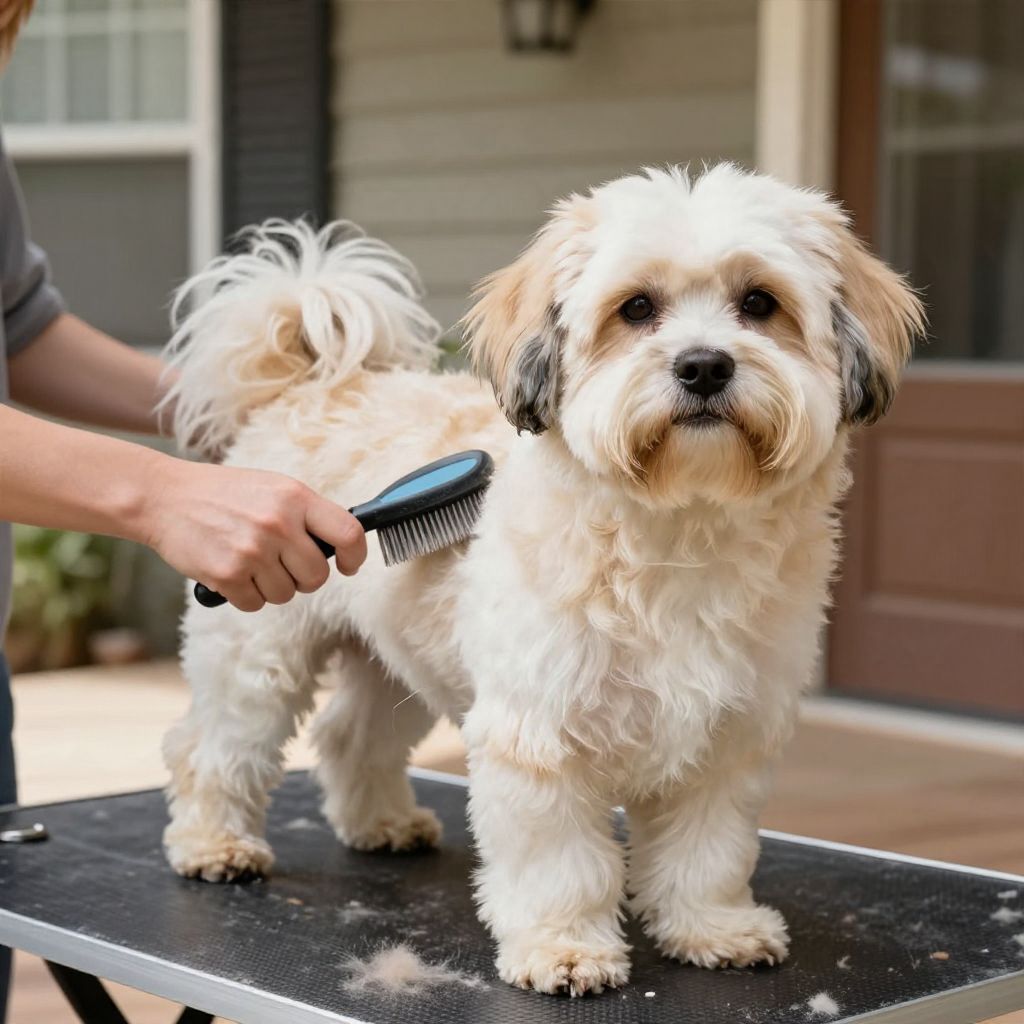
If you’re wondering, “Do Havanese shed?” the short answer is yes, but usually very little compared with many other breeds. Their coat tends to trap loose hair instead of dropping it everywhere, which is why regular grooming matters so much.
How much they shed can vary by coat type, grooming routine, season, health, and the individual dog. If you want a low-shedding companion, a Havanese may fit that goal, but no dog is completely shed-free.
Do Havanese shed?
Yes. Havanese do shed, but most are considered light shedders because their hair is long, soft, and often held in the coat rather than scattered around the home. You may notice more loose hair during brushing, bathing, or seasonal coat changes, especially if the coat is kept long or grooming is inconsistent.
Why Havanese shedding can seem minimal
Havanese have a coat that behaves more like hair than a heavy double coat. That means loose strands often stay caught in the coat until you brush them out, which can make shedding look lower than it really is. This does not mean the dog never loses hair; it means the hair is less likely to end up on your furniture right away.
What affects how much a Havanese sheds
- Grooming frequency: Regular brushing removes loose hair before it mats or falls out around the house.
- Coat length: Longer coats trap more loose hair and can tangle more easily.
- Seasonal changes: Some dogs shed more at certain times of year.
- Age: Puppies and adults may have different coat textures and shedding patterns.
- Health: Skin problems, allergies, parasites, or hormonal issues can increase shedding.
- Individual variation: Even within the same breed, coat thickness and shedding differ from dog to dog.
Are Havanese hypoallergenic?
No dog is truly hypoallergenic. Havanese are often chosen by people who want less shedding, but allergies are usually triggered by dander, saliva, and urine, not just hair. A Havanese may be a better fit for some allergy-sensitive households, but there is no guarantee that any individual person will react less.
How to manage Havanese shedding at home
Good grooming is the main way to control loose hair and keep the coat healthy. A Havanese that is brushed regularly usually leaves less hair around the house and is less likely to develop painful mats.
Grooming steps that help
- Brush several times a week using a slicker brush or comb suited to a fine, silky coat.
- Check for tangles behind the ears, under the legs, around the collar, and along the belly.
- Bathe as needed with a dog-friendly shampoo, then dry the coat thoroughly to help prevent mats.
- Trim or maintain the coat if a shorter style is easier for you to manage.
- Keep nails, ears, and paw hair tidy as part of routine care.
Common grooming mistakes
- Waiting until the coat is matted before brushing
- Using a human shampoo that may irritate the skin
- Brushing only the top layer and missing tangles near the skin
- Pulling through knots too hard, which can make grooming unpleasant
- Skipping drying after a bath, which can encourage matting and skin irritation
When shedding is more than normal
Some shedding is expected, but sudden or heavy hair loss can signal a problem. If your Havanese starts shedding much more than usual, look for changes in the skin and coat as well as changes in behavior, appetite, or energy.
Call your veterinarian if you notice
- Bald patches or thinning that seems new
- Red, flaky, greasy, or very itchy skin
- Frequent scratching, licking, or chewing
- Bad odor from the skin or ears
- Scabs, sores, or signs of pain
- Weight change, tiredness, or other whole-body changes along with coat loss
Seek urgent veterinary care if hair loss is paired with swelling, trouble breathing, vomiting after a suspected toxin exposure, severe lethargy, or a rapidly worsening skin reaction.
Does diet affect Havanese shedding?
Yes, nutrition can influence coat quality. A balanced diet supports healthy skin and hair, while poor nutrition or a sudden diet change may contribute to dullness, dryness, or increased shedding. Food alone will not solve every coat problem, but it is an important part of overall skin health.
Helpful feeding habits
- Feed a complete, age-appropriate dog food
- Keep your dog at a healthy body condition
- Avoid frequent diet changes unless your veterinarian recommends them
- Ask your vet before adding supplements for coat health
If you suspect food sensitivity, allergies, or a medical issue, talk with your veterinarian before making major diet changes. Skin and coat symptoms can have many causes, and it is best to identify the real one rather than guessing.
Do puppies and older Havanese shed differently?
They can. Puppies often go through coat transitions as they mature, and that can change how much hair you see around the home. Older dogs may shed more if they develop skin disease, hormonal conditions, or grooming challenges related to stiffness or reduced mobility.
Age-related care tips
- Puppies: Start gentle brushing early so grooming feels normal and positive.
- Adults: Keep a consistent grooming schedule to prevent mats and catch skin changes early.
- Seniors: Make grooming easier with shorter sessions, soft tools, and help from a professional groomer if needed.
How to reduce loose hair without stressing your dog
Havanese usually do best with calm, reward-based grooming. If your dog resists brushing, the goal is to make grooming easier, not to force it.
Try these humane training tips
- Start with very short sessions.
- Reward your dog for standing still, even briefly.
- Use treats, praise, and breaks to build a positive association.
- Touch one area at a time instead of trying to groom the whole coat at once.
- Stop before your dog becomes overwhelmed.
If grooming is consistently difficult, a professional groomer or certified trainer can help you build a safer routine. This is especially useful for dogs that have had painful mats or negative grooming experiences.
Cleaning up around the house
Even a low-shedding dog can leave some hair behind. A simple cleaning routine can make a big difference, especially if you want to keep furniture and clothing looking neat.
- Brush your Havanese before vacuuming to remove loose hair at the source
- Use washable blankets or couch covers in favorite resting spots
- Vacuum carpets and upholstery regularly
- Keep lint rollers handy for clothing and soft furnishings
When to ask for professional help
If you are unsure whether your Havanese’s shedding is normal, a veterinarian can check for skin disease, parasites, allergies, or other medical causes. A professional groomer can also help if the coat is getting matted or if you need a lower-maintenance trim.
Get help sooner rather than later if your dog seems uncomfortable during grooming, develops repeated mats, or has skin changes that do not improve with routine care. Early attention usually makes the problem easier to manage.
Bottom line
So, do Havanese shed? Yes, but usually lightly. With regular brushing, good nutrition, and routine health checks, most Havanese are manageable for owners who want a lower-shedding companion. If shedding suddenly increases or the skin looks abnormal, contact your veterinarian.
If you want to compare shedding in other dogs, you may also find these guides helpful: Do Dogs Shed? and Do Dogs Shed a Lot?