
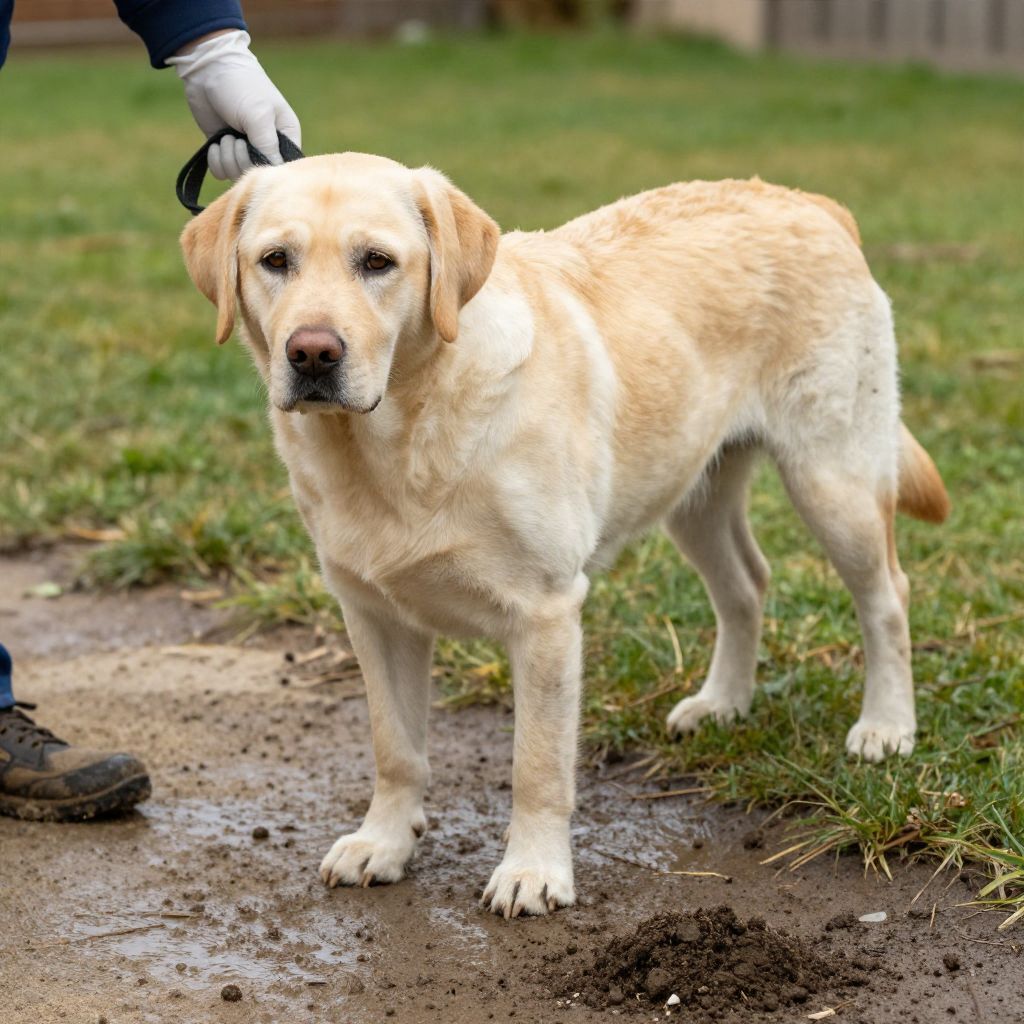
Dogs get hookworms most often by swallowing larvae from contaminated soil or by larvae penetrating the skin, especially on paws or belly. Puppies can also be infected before birth or through their mother’s milk, so even very young dogs may be at risk.
Hookworms are intestinal parasites that can cause diarrhea, weight loss, weakness, and anemia. Because signs can be vague at first, prevention, routine fecal testing, and prompt veterinary care matter for dogs of all ages.
How do dogs get hookworms?
Dogs get hookworms when infective larvae enter the body through the mouth or skin, or when puppies are exposed through their mother. The larvae travel to the intestines, where they attach and feed on blood. Contaminated environments, shared yards, and poor parasite control increase the risk.
What are the main ways hookworms spread?
Hookworms spread in a few common ways, and understanding them helps you reduce exposure. The exact risk depends on your dog’s age, environment, and parasite prevention routine.
- Ingesting larvae from contaminated dirt, grass, or feces.
- Skin penetration when larvae contact bare skin, often on paws or the underside of the body.
- Mother-to-puppy transmission before birth or through nursing in some cases.
- Environmental contamination in places where infected dogs have passed stool.
Why puppies are especially vulnerable
Puppies have less reserve if hookworms cause blood loss, so they can become sick faster than healthy adult dogs. They also explore with their mouths and may pick up parasites more easily from the environment.
Why adult dogs can still get infected
Adult dogs are not immune. Dogs that visit dog parks, communal yards, shelters, boarding facilities, or areas with poor sanitation can still be exposed, even if they seem healthy and active.
What symptoms should you watch for?
Hookworm symptoms can range from mild to severe. Some dogs show no obvious signs early on, which is why fecal exams are important even when your dog seems fine.
- Diarrhea, sometimes with dark or bloody stool
- Weight loss or poor weight gain in puppies
- Weakness, tiredness, or reduced exercise tolerance
- Pale gums, which can suggest anemia
- Poor coat condition
- Itchy or irritated skin where larvae entered
Get urgent veterinary care if your dog has collapse, extreme weakness, very pale gums, black tarry stool, repeated vomiting, or signs of dehydration. These can indicate serious blood loss or another emergency.
How do veterinarians diagnose hookworms?
A veterinarian usually diagnoses hookworms with a fecal test that looks for parasite eggs. Because eggs may not always be present in every sample, your vet may recommend repeat testing if symptoms suggest infection but the first test is negative.
Your vet may also check for anemia, dehydration, or other causes of diarrhea and weakness. This matters because several illnesses can look similar, especially in puppies.
How are hookworms treated?
Treatment is veterinary-guided and depends on your dog’s age, overall health, and how heavy the infection is. The goal is to remove the worms, support recovery, and prevent reinfection.
- Prescription deworming medication from your veterinarian
- Follow-up testing to confirm the infection is cleared
- Supportive care if your dog is dehydrated or anemic
- Strict parasite prevention afterward to reduce recurrence
Do not try to guess at treatment or use random over-the-counter products without veterinary advice. Some products are not appropriate for every dog, and untreated hookworms can become dangerous quickly in small or young dogs.
Can hookworms spread to people?
Some hookworm species can infect humans, usually when larvae in contaminated soil contact skin. This is uncommon with good hygiene, but it is another reason to clean up stool promptly and keep your dog’s environment sanitary.
To lower risk:
- Pick up dog stool quickly, especially in yards and common walking areas.
- Wash hands after handling feces, soil, or contaminated bedding.
- Keep children from playing in areas where dogs defecate.
- Follow your veterinarian’s parasite-prevention plan.
How can you prevent hookworms in dogs?
Prevention works best when you combine medication, hygiene, and routine veterinary care. Even if your dog seems healthy, prevention is important because hookworms can be picked up again after successful treatment.
- Use year-round parasite prevention recommended by your veterinarian.
- Schedule regular fecal tests, especially for puppies and dogs with outdoor exposure.
- Clean up stool promptly in your yard and during walks.
- Reduce exposure to contaminated areas when possible.
- Follow puppy deworming schedules set by your vet.
Helpful habits for puppies
Puppies need extra protection because they are more likely to become ill from parasites. Ask your veterinarian about the right deworming and testing schedule for your puppy’s age and lifestyle.
Helpful habits for adult dogs
Adult dogs benefit from consistent prevention too, especially if they go to dog parks, daycare, training classes, or shared outdoor spaces. Routine prevention is often easier and safer than treating a heavy infection later.
What are common mistakes dog owners make?
Hookworms can be missed when owners assume mild diarrhea will pass on its own. Delaying care can allow anemia or dehydration to worsen, especially in puppies and small dogs.
- Ignoring loose stool or pale gums
- Skipping fecal testing because the dog “looks fine”
- Not cleaning up stool promptly
- Using leftover medications without veterinary guidance
- Stopping prevention after one negative test or one treatment
When should you call the vet?
Call your veterinarian if your dog has diarrhea that lasts more than a day, recurring soft stool, unexplained weight loss, or any signs of anemia. Puppies, seniors, and dogs with other health problems should be checked sooner rather than later.
You should seek urgent care right away if your dog has:
- Very pale gums
- Severe lethargy or collapse
- Black, tarry stool
- Repeated vomiting
- Signs of dehydration, such as sunken eyes or dry gums
How can you protect your home and yard?
Good sanitation lowers the chance that hookworms will keep cycling through your dog’s environment. This is especially important if you have multiple dogs or a puppy that spends a lot of time outside.
- Scoop feces daily if possible.
- Dispose of waste safely and wash hands afterward.
- Keep play areas as clean and dry as you can.
- Wash bedding if your dog has had diarrhea or a parasite diagnosis.
- Ask your vet whether other pets in the home should be tested or treated.
What should you remember most?
Dogs get hookworms from contaminated environments, skin contact with larvae, or early-life transmission from their mother. Because infection can cause serious illness, especially in puppies, the safest approach is prevention, routine testing, and fast veterinary care when symptoms appear.
If your dog has diarrhea and you are trying to sort out possible parasite causes, you may also find it helpful to read about what you can give a dog for diarrhea and how to stop dog diarrhea. The best next step, though, is always to check with your veterinarian if hookworms are a possibility.