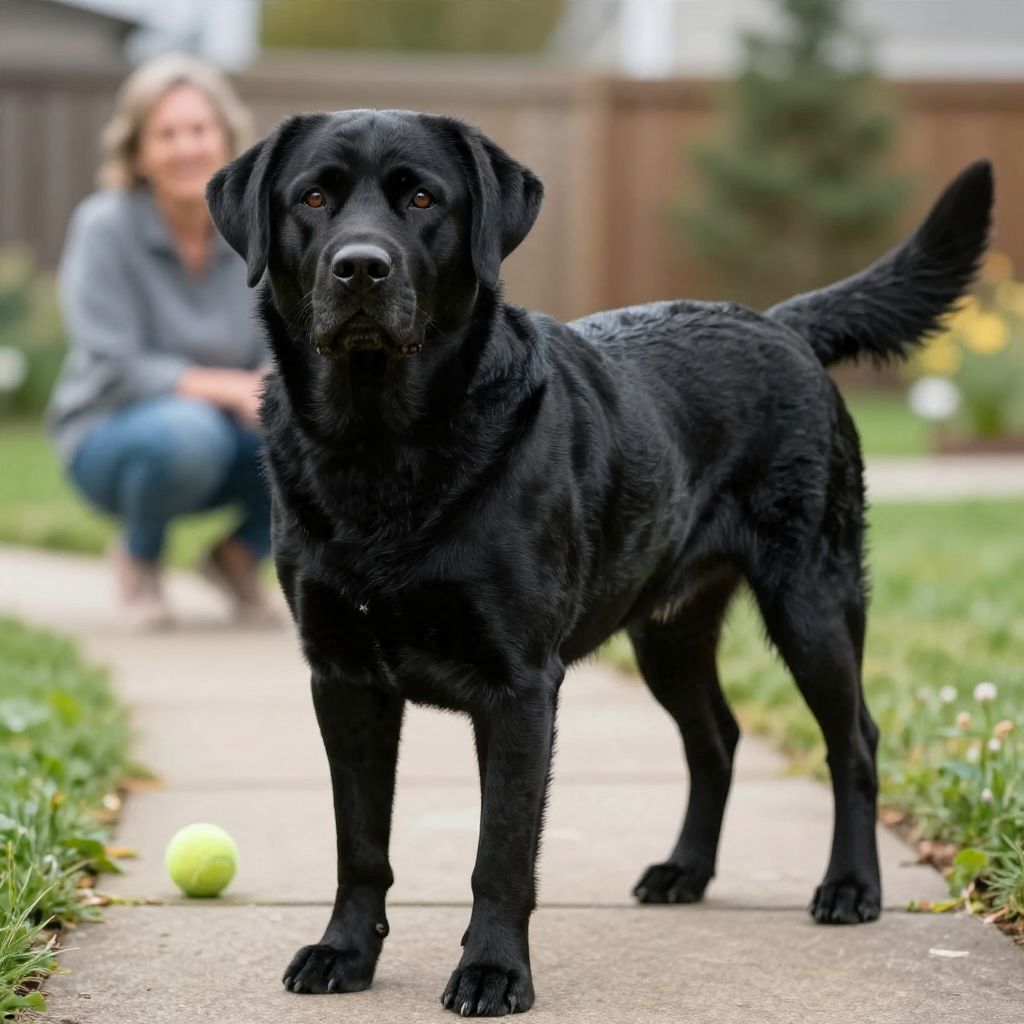
If you’re wondering how long black Labs live, the short answer is that most Labrador Retrievers live about 10 to 12 years, though some live longer with good care and luck. Color alone does not determine lifespan; overall health, genetics, body condition, exercise, and veterinary care matter much more.
Black Labs are usually the same breed as yellow or chocolate Labs, so their life expectancy is generally similar. What you can expect is a loyal, active dog that benefits from steady weight control, regular checkups, and early attention to joint, eye, ear, and heart concerns.
How long do black Labs live?
Most black Labs live around 10 to 12 years, which is typical for Labrador Retrievers overall. Some may live into their early teens, especially if they stay lean, get regular exercise, and receive preventive veterinary care. Individual health, size, and genetics can shift that timeline in either direction.
What affects a black Lab’s lifespan?
Several factors influence how long your Lab may live, and many of them are within your control. While no care plan can guarantee a longer life, good habits can reduce the risk of common age-related problems.
- Body weight: Extra pounds can strain joints, the heart, and metabolism.
- Genetics: Some dogs inherit a stronger risk for certain cancers, joint disease, or eye conditions.
- Activity level: Regular exercise supports muscle tone, mobility, and mental health.
- Diet quality: A complete, balanced diet helps maintain healthy body condition.
- Preventive care: Vaccines, parasite control, dental care, and wellness exams catch problems earlier.
- Environment and safety: Leash safety, secure fencing, and avoiding toxins help prevent accidents.
Black coat color itself does not make a Lab live longer or shorter. A black Lab is still a Labrador Retriever, so the same general breed health considerations apply.
Black Lab life stages: what to expect over time
Puppy to young adult
Young Labs are energetic, curious, and often food-motivated. This is the best time to build lifelong habits around training, socialization, and healthy routines.
- Use positive reinforcement to teach manners and recall.
- Introduce a variety of people, dogs, sounds, and safe environments gradually.
- Protect growing joints by avoiding repetitive high-impact exercise.
- Keep meals measured to prevent overfeeding during rapid growth.
Adult years
Adult black Labs often remain active and playful. Many do best with daily exercise, mental enrichment, and a consistent feeding plan that keeps them at a healthy weight.
- Plan for walks, sniffing time, fetch with limits, or swimming if your dog enjoys it.
- Watch for subtle weight gain, especially after neutering or as activity changes.
- Schedule routine veterinary exams to monitor joints, ears, teeth, and overall condition.
Senior years
As Labs age, they may slow down, sleep more, and need extra support for mobility or comfort. Senior dogs benefit from earlier detection of changes, because many age-related conditions are easier to manage when caught promptly.
- Ask your vet about senior wellness visits and bloodwork.
- Use ramps, non-slip mats, and supportive bedding if mobility declines.
- Adjust exercise to shorter, gentler sessions if needed.
- Report new stiffness, coughing, accidents in the house, or behavior changes.
Common health issues that can affect lifespan
Not every black Lab will develop these problems, but they are among the issues owners commonly watch for in Labrador Retrievers. Knowing the warning signs can help you get care sooner.
Joint and mobility problems
Labs can be prone to hip or elbow issues and age-related arthritis. Signs may include stiffness, reluctance to jump, trouble rising, limping, or slowing down on walks.
Ear infections
Because many Labs love water and have floppy ears, ear infections can become a recurring issue. Head shaking, odor, redness, discharge, or scratching are common clues.
Eye disease
Some Labradors develop inherited or age-related eye problems. Cloudiness, squinting, bumping into objects, or changes in vision deserve veterinary attention.
Obesity-related disease
Weight gain can worsen arthritis, reduce stamina, and increase the risk of other medical problems. If your dog’s waist disappears or ribs become hard to feel, it is time to reassess food portions and treats.
Cancer and other serious illness
Like many medium-to-large breeds, Labs can develop cancer as they age. Unexplained lumps, weight loss, lethargy, persistent vomiting, or appetite changes should never be ignored.
How to help your black Lab live longer
The most useful longevity strategies are simple, consistent, and realistic. Focus on the basics first, because they have the biggest impact over time.
- Keep your dog lean. Measure meals, limit high-calorie treats, and adjust portions as activity changes.
- Exercise daily. Aim for regular movement that matches age and fitness, such as walks, swimming, scent games, or fetch with rest breaks.
- Feed a complete diet. Choose a balanced food appropriate for your dog’s life stage and size.
- Schedule routine vet care. Annual or semiannual exams can catch problems earlier than waiting for obvious symptoms.
- Protect teeth and gums. Dental disease can affect comfort and overall health, so ask your vet about home dental care and professional cleanings.
- Use parasite prevention. Fleas, ticks, and heartworm can all create preventable health risks.
- Reduce injury risk. Use a leash, secure fencing, and careful supervision around water, roads, and stairs.
What a healthy black Lab timeline may look like
While every dog is different, a healthy Lab often follows a general pattern over the years. This is not a guarantee, but it can help you know what changes are normal and what deserves attention.
- 1–2 years: High energy, ongoing training needs, and growing confidence.
- 3–6 years: Stable adult years, usually the best time to maintain fitness and lean body condition.
- 7–9 years: Early senior phase for many Labs; watch for stiffness, slower recovery, or weight changes.
- 10+ years: Senior care becomes more important, with closer monitoring for mobility, vision, hearing, and internal health changes.
Some Labs stay playful well into their senior years, while others slow down earlier. The key is to compare your dog to their own normal, not to another dog of the same breed.
When to call a veterinarian right away
Some changes can wait for a routine appointment, but others need prompt veterinary attention. Do not assume a symptom is “just old age” if it appears suddenly or seems severe.
Seek urgent veterinary care if your black Lab has any of the following:
- Difficulty breathing or collapsing
- A swollen, painful abdomen or repeated unproductive retching
- Severe lethargy, weakness, or inability to stand
- Persistent vomiting or diarrhea, especially with blood
- Seizures
- Sudden blindness or severe eye pain
- Trauma, hit-by-car injuries, or deep wounds
- Possible toxin exposure, including human medications, xylitol, chocolate, grapes, or rodent poison
If you are unsure whether a symptom is urgent, it is safer to call your veterinarian or an emergency clinic for guidance.
Common mistakes that can shorten a Lab’s healthy years
Many lifespan-limiting problems are made worse by avoidable habits. These are some of the most common mistakes owners can correct early.
- Free-feeding without monitoring body condition
- Overdoing high-impact exercise in puppies
- Skipping routine wellness exams because the dog “seems fine”
- Ignoring ear odor, limping, or subtle appetite changes
- Using punishment-based training that increases stress and damages trust
- Letting a senior dog “just slow down” without a vet check
Reward-based training is especially useful for Labs because many are highly food-motivated and eager to work with you. Good manners also make it easier to keep your dog safe and active throughout life.
What to expect as your black Lab gets older
Senior Labs often need small but meaningful adjustments rather than dramatic changes. You may notice they prefer shorter walks, nap more, or need help getting into the car.
Helpful senior-care adjustments can include:
- More frequent but shorter exercise sessions
- Orthopedic bedding and easier access to favorite resting spots
- Careful weight monitoring every few months
- Regular checks for dental disease, lumps, and arthritis
- Calmer enrichment such as sniffing games and puzzle feeders
If your older Lab seems confused, restless at night, less social, or house-trained dogs start having accidents, mention it to your veterinarian. Behavior changes can sometimes signal pain or another medical issue.
The bottom line
How long black Labs live depends on the individual dog, but many live about 10 to 12 years. You can support a longer, healthier life by keeping your Lab lean, active, and well monitored by a veterinarian, especially as they move into their senior years.
If you’re comparing lifespan across similar breeds, you may also find it helpful to read about how long Labradoodles live and how long Poodles live.