
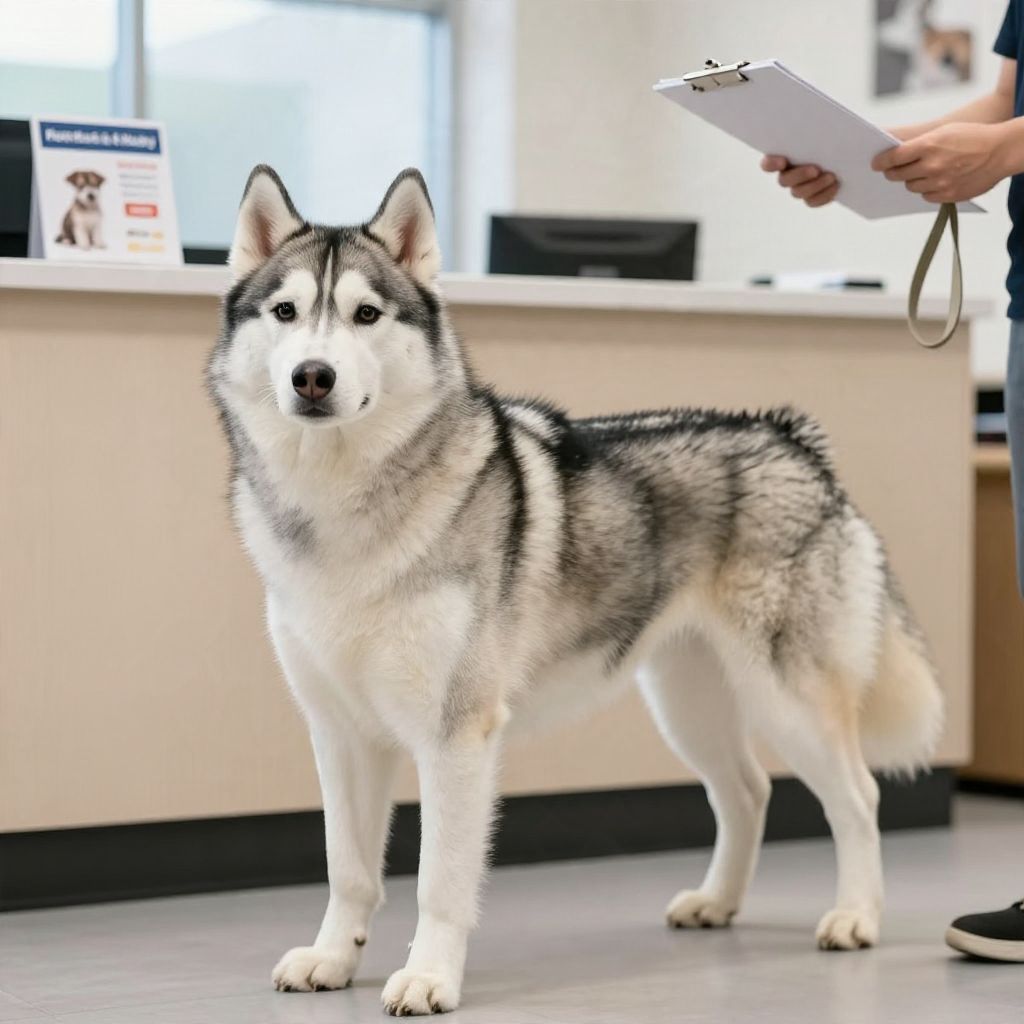
If you’re asking how much is a Husky, the answer depends on whether you mean the purchase price, first-year setup costs, or ongoing monthly care. Huskies can be affordable to buy in some cases, but their grooming, food, training, and activity needs can make them a significant long-term commitment.
Before bringing one home, it helps to budget for the dog itself plus supplies, veterinary care, and the time needed for exercise and training. A Husky is not just a one-time expense; the real cost is usually in consistent care.
How Much Is A Husky?
A Husky typically costs anywhere from a few hundred dollars to several thousand, depending on breeder quality, location, age, pedigree, and whether you adopt or buy from a breeder. The total cost of ownership is often much higher than the purchase price because Huskies need regular food, grooming, training, exercise, and veterinary care.
What Affects The Price Of A Husky?
Several factors can change how much you pay. The same breed can vary widely in price based on where the dog comes from and what care has already been provided.
Adoption vs. breeder price
- Adoption is often the lowest-cost option and may include initial veterinary care.
- Breeder prices are usually higher, especially for puppies from health-tested parents.
- Rescue dogs may cost less upfront, but you should still budget for vet visits, supplies, and training support.
Age and background
- Puppies often cost more than adult dogs.
- Adult Huskies may be less expensive to adopt, especially if they need a new home.
- Dogs with known health screening, training, or show/breeding lines can cost more.
Location and demand
- Prices can be higher in areas where Huskies are popular or harder to find.
- Transport costs may also add to the total if the dog is coming from another region.
Typical Husky Costs To Expect
It helps to think in categories rather than one single price. The upfront cost is only part of the picture, and the first year is usually the most expensive.
- Purchase or adoption fee: varies widely depending on source and age
- Initial supplies: crate, leash, collar, bowls, bed, grooming tools, toys
- Veterinary startup care: exam, vaccines, parasite prevention, microchip, spay/neuter if needed
- Training and socialization: puppy classes or private help if needed
- Ongoing monthly care: food, preventives, grooming, toys, and routine vet care
How Much Does It Cost To Feed A Husky?
Food costs depend on your dog’s size, age, activity level, and the quality of the diet you choose. Huskies are often active dogs, so many need a well-balanced diet that supports energy without overfeeding.
Because individual calorie needs vary, the best approach is to follow your veterinarian’s feeding guidance and the food label, then adjust based on body condition. A healthy Husky should stay lean and athletic, not overweight.
Food budgeting tips
- Choose a complete and balanced dog food appropriate for your dog’s life stage.
- Measure meals instead of free-feeding when possible.
- Use treats sparingly and count them toward daily calories.
- Ask your vet if your dog needs a diet adjustment for age, activity, or health issues.
Grooming Costs And Care Needs
Huskies have a thick coat, so grooming is an important part of their care. They usually need regular brushing, and shedding can increase seasonally.
- Brushes and grooming tools: a one-time setup cost, plus replacements over time
- Professional grooming: optional for many Huskies, but some owners use it for coat maintenance or nail care
- Nail trims, ear checks, and bath supplies: part of routine upkeep
Do not shave a Husky unless a veterinarian specifically advises it for a medical reason. Their coat helps protect them, and shaving can create problems for skin and coat health.
Training And Exercise: A Major Part Of The Real Cost
When people ask how much is a Husky, they often think of money first, but time is just as important. Huskies are usually energetic dogs that need daily exercise, mental enrichment, and consistent training.
Training expenses you may need
- Puppy classes or basic obedience classes
- Leashes, harnesses, long lines, and training treats
- Management tools such as gates or secure fencing
- Professional help if your dog has behavior problems
Why training matters
Huskies can be independent and may be prone to roaming if they are bored or under-exercised. That does not mean every Husky behaves the same way, but it does mean you should plan for structured training and safe containment.
- Use reward-based training.
- Practice recall, leash manners, and calm settling.
- Provide enrichment such as puzzle feeders, sniffing games, and training sessions.
- Make sure your yard and home are secure.
Veterinary Costs You Should Budget For
Routine veterinary care is a normal part of dog ownership and should be included in your Husky budget. Even healthy dogs need preventive care, and unexpected illness or injury can happen to any dog.
- Annual wellness exams
- Vaccinations and parasite prevention
- Dental care
- Spay or neuter if recommended by your vet
- Emergency care if your dog becomes ill or injured
If you are comparing costs, remember that a lower purchase price does not always mean a cheaper dog overall. A dog with incomplete veterinary care or uncertain history may need more support after adoption.
Is A Husky Expensive To Own?
Many owners find that the ongoing cost is moderate to high compared with smaller, lower-energy breeds. The biggest expenses are usually food, preventive veterinary care, grooming supplies, training, and the time needed to meet the dog’s exercise needs.
A Husky can be a great companion if you are prepared for an active, hands-on lifestyle. If you want a low-maintenance dog, this breed may not be the best fit.
How To Budget Before Bringing One Home
Planning ahead can help you avoid surprises. A careful budget also makes it easier to provide consistent care from day one.
- Decide whether you want to adopt or buy from a breeder.
- Estimate the first-year costs for supplies and vet care.
- Set aside money for training and emergencies.
- Check whether your home and schedule can support daily exercise.
- Choose a food and care plan with your veterinarian’s guidance.
When To Be Extra Careful About Costs
Some situations can increase the cost of owning a Husky. It is wise to plan for these before you commit.
- Very young puppies may need more vet visits and supervision.
- Rescue dogs may need behavior support or medical follow-up.
- Dogs with special health needs may require ongoing treatment.
- High-energy dogs may need more enrichment, training, and secure containment.
If a seller cannot explain the dog’s health history, living conditions, or veterinary care, take extra care and consider getting a vet check soon after adoption.
Signs You May Need Professional Help
Some Husky-related issues are best handled with professional support. A veterinarian can help with health concerns, while a certified trainer or veterinary behaviorist can help with behavior challenges.
- Persistent diarrhea, vomiting, coughing, limping, or appetite loss
- Sudden behavior changes, fear, aggression, or destructive escape attempts
- Severe itching, skin problems, or excessive shedding with irritation
- Difficulty settling, leash pulling, or unsafe roaming behavior
Seek urgent veterinary care if your dog has trouble breathing, collapses, has repeated vomiting, shows signs of heatstroke, suffers a serious injury, or seems unable to stand normally.
Bottom Line: How Much Is A Husky?
A Husky can cost a little or a lot upfront, but the bigger question is whether you can support the dog long term. Budget for adoption or purchase, supplies, food, grooming, training, and veterinary care, and make sure you can meet the breed’s exercise and enrichment needs.
If you are still comparing breeds and budgets, you may also find it helpful to read about how much a Pug costs or how much a Corgi costs for a broader look at dog ownership expenses.