
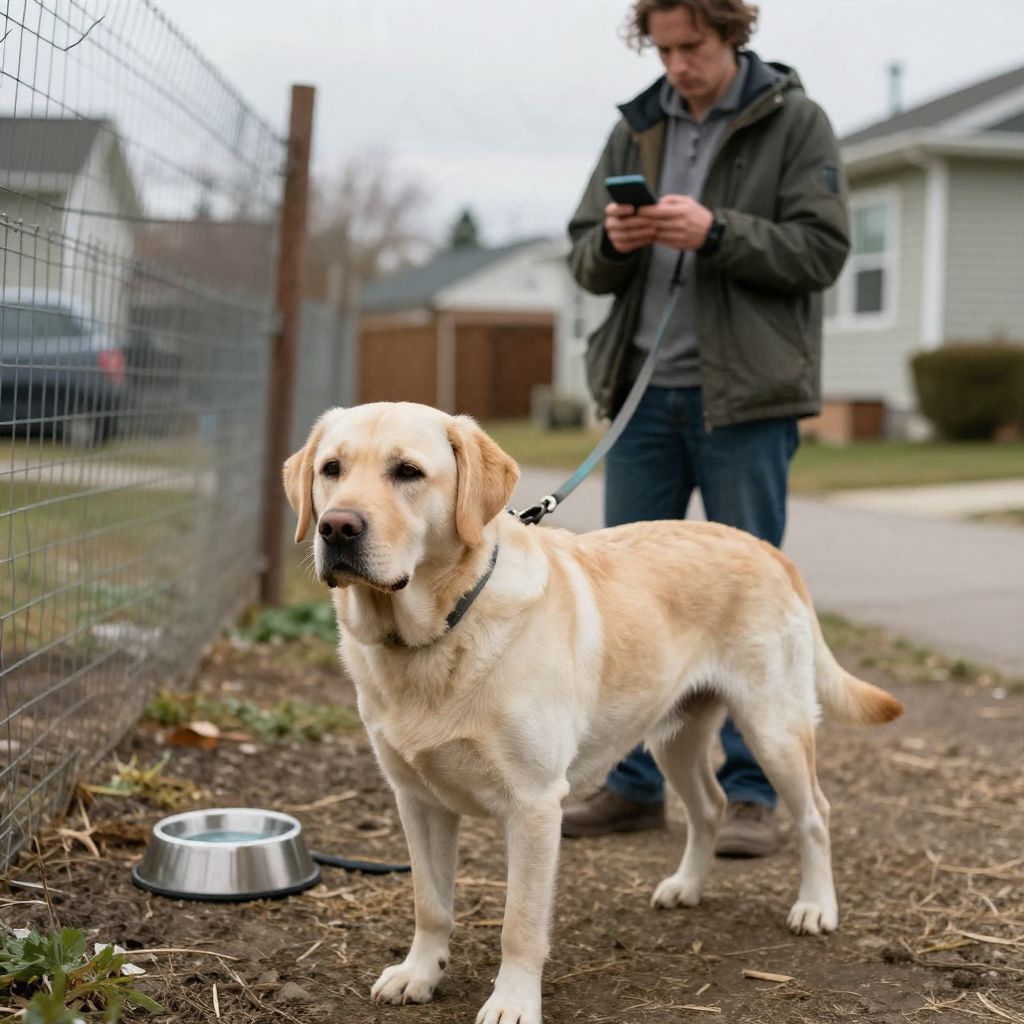
If you suspect a dog is being abused, act quickly and safely. The right report can protect the animal, create a record for investigators, and connect the dog with help.
You do not need to prove abuse yourself. Focus on what you observed, document it carefully, and contact the most appropriate local authority or animal welfare organization.
How To Report Animal Abuse?
To report animal abuse, document what you saw, note the date, time, location, and any identifying details, then contact local animal control, police, or a humane society with cruelty-investigation authority. If the dog is in immediate danger, call emergency services right away. Share facts, not guesses.
What Counts as Animal Abuse?
Animal abuse can include deliberate harm, neglect, abandonment, starvation, lack of water, unsafe confinement, untreated injuries, or failure to provide basic veterinary care. Some situations are obvious, while others involve chronic neglect that may be harder to recognize.
Common warning signs include:
- Visible wounds, limping, or signs of untreated illness
- Severe emaciation or a pot-bellied appearance with poor body condition
- Constant thirst, dirty water, or no access to water
- Extreme weather exposure without shelter
- Prolonged barking, isolation, or confinement in unsafe conditions
- Fearful, withdrawn, or panicked behavior around people
Not every concern means abuse, but repeated patterns matter. A single snapshot may not tell the full story, which is why careful documentation is important.
Step-by-Step: How To Report Animal Abuse
-
Assess immediate danger.
If the dog is actively being hit, is trapped in a hot car, is bleeding heavily, or appears unable to stand, call emergency services or local law enforcement immediately.
-
Document what you observed.
Write down the date, time, exact location, and a clear description of the dog, the person involved, and the situation. Include license plates, property details, and anything else that helps identify the case.
-
Take photos or video only if it is safe.
Do not trespass, provoke anyone, or put yourself at risk. If you can safely capture evidence from a public place, keep the images clear and unedited.
-
Contact the correct authority.
Depending on where you live, this may be animal control, the local police department, a humane society, or a county or municipal cruelty investigator. If you are unsure, call the non-emergency police line for guidance.
-
Provide a factual report.
Stick to what you personally saw, heard, or photographed. Avoid assumptions such as “the owner never feeds the dog” unless you witnessed that directly and can describe specific observations.
-
Ask for a case or reference number.
This helps you follow up later if the situation continues or if investigators request more information.
-
Follow up if the dog remains at risk.
If conditions worsen or the dog is still in danger, make another report with updated details. Ongoing documentation can be important in neglect cases.
Who Should You Contact?
The best place to report depends on the type of situation and your local laws. Reporting to the right agency can speed up response time.
Animal Control
Animal control often handles neglect, confinement issues, stray animals, and local animal ordinance violations. They may also investigate cruelty complaints in some areas.
Police or Sheriff
Contact law enforcement if the dog is in immediate danger, if there is violence, if the owner is threatening you, or if local animal control is unavailable after hours.
Humane Society or SPCA Cruelty Line
Some humane organizations have trained cruelty investigators. They may be able to advise you or take the report directly if they have authority in your area.
Emergency Services
Use emergency services when the dog’s life appears at immediate risk, such as severe heat exposure, active assault, or a life-threatening injury.
What Information Should You Include?
Clear, concise details make it easier for investigators to act. Include only information you can verify.
- Exact address or location
- Date and time of each incident
- Description of the dog, including color, size, breed type if known, and visible injuries
- Description of the person, vehicle, or property involved
- Photos, video, or written notes
- Names and contact information of any witnesses, if they agree to share it
If you do not know the breed, that is okay. A general description is enough, and breed guesses should never replace a real observation.
How To Report Safely and Responsibly
Safety matters for you, the dog, and the investigation. Many cases are best handled quietly and through official channels.
- Do not confront the suspected abuser if doing so could escalate the situation.
- Do not enter private property without permission.
- Do not remove the dog unless you are legally authorized to do so.
- Do not post accusations publicly before authorities review the case.
- Do not edit evidence in a way that changes the meaning of what happened.
If you are worried about retaliation, ask the reporting agency whether anonymous or confidential reporting is available in your area.
What If You Are Not Sure It Is Abuse?
It is okay to report a concern even if you are uncertain. You are not deciding guilt; you are asking trained professionals to assess the situation.
Examples that may warrant a report include a dog left outside without shelter in extreme weather, a dog with obvious untreated wounds, or a pattern of repeated neglect. If the concern is less urgent, document it and report it anyway so there is a record.
When a Dog Needs Immediate Veterinary Help
Some situations are both a cruelty concern and a medical emergency. A dog should get urgent veterinary care if you see any of the following:
- Heavy bleeding
- Difficulty breathing
- Collapse, seizures, or unresponsiveness
- Severe heat stress or suspected heatstroke
- Deep wounds, broken bones, or obvious severe pain
- Inability to stand or walk
- Repeated vomiting, severe diarrhea, or signs of dehydration
If the dog belongs to you, seek veterinary care immediately and then address any suspected abuse or neglect through the proper channels. If the dog is not yours, report the emergency right away rather than trying to treat it yourself.
Common Mistakes To Avoid
People often want to help but accidentally weaken the report. Avoid these common mistakes:
- Waiting too long because you hope the situation improves
- Reporting with vague statements and no details
- Exaggerating or guessing about what happened
- Sharing unverified accusations on social media
- Putting yourself in danger to gather evidence
Careful, factual reporting is more useful than emotional but incomplete claims.
What Happens After You Report?
After you report animal abuse, the agency may review the complaint, visit the location, speak with the owner, or request veterinary records. In some cases, they may remove the dog if the law allows and the evidence is strong enough.
Not every report leads to immediate action, especially if investigators need more information or cannot observe the problem right away. That does not mean your report was pointless. It may still help build a case over time.
If You Are the Dog’s Owner and Need Help
Sometimes a situation starts as neglect because of crisis, illness, housing loss, or financial hardship rather than intentional cruelty. If you are struggling to care for your dog, seek help before conditions worsen.
- Contact a veterinarian if your dog needs medical attention
- Ask local rescues about temporary support or rehoming options
- Look for pet food banks or emergency pet assistance programs
- Arrange safe boarding or foster care if you cannot provide proper care
If you cannot keep the dog safely, responsible surrender may be the kindest option. You can read more about how to surrender a dog in a way that prioritizes the dog’s welfare.
Practical Tips for Better Reporting
A strong report is specific, calm, and timely. Keep a simple log if the concern continues over days or weeks.
- Write down each incident as soon as possible
- Use objective language such as “I saw,” “I heard,” and “I photographed”
- Save screenshots, messages, or dates if the issue involves online posts or repeated threats
- Update the report if the dog’s condition changes
If the dog is fearful, under-socialized, or newly rescued, that does not automatically mean abuse. Behavior should be interpreted in context, and a certified trainer or veterinary behaviorist may help separate fear, pain, and handling issues from cruelty concerns. For dogs that need a calmer transition after rescue, how to train a rescue dog can help you support safe, humane adjustment.
Conclusion
If you suspect abuse, report it promptly, document carefully, and let the proper authorities investigate. Quick, factual action can protect a dog and give them the best chance at safety and care.