
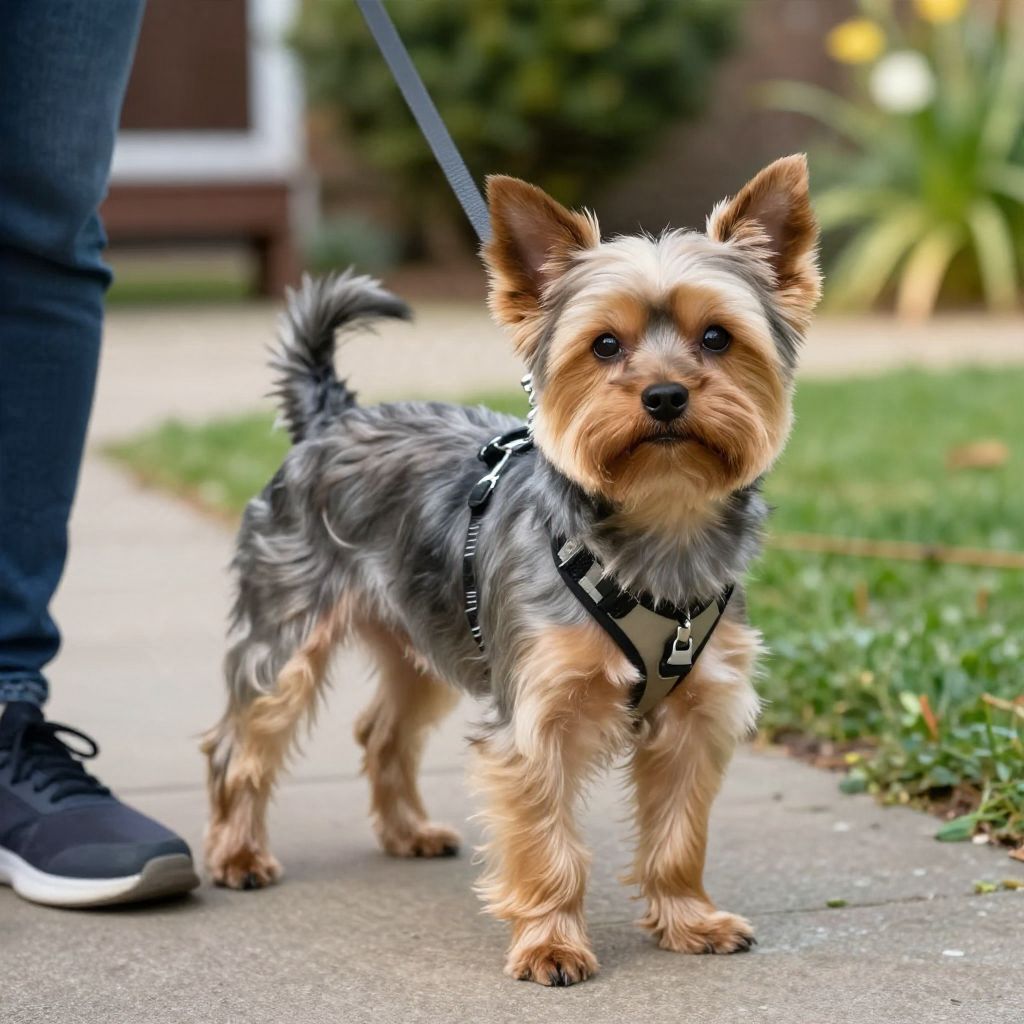
If you’re asking what is a Shorkie, you’re likely hearing about a small mixed-breed dog with a big personality. A Shorkie is generally a Yorkie-Shih Tzu mix, and individual dogs can vary a lot in appearance, coat type, energy level, and temperament.
They’re usually chosen by people who want a companion dog that stays small and enjoys close contact with family. Like any mixed breed, a Shorkie’s needs depend on the individual dog, so care should be based on the puppy or adult in front of you, not just the label.
What Is A Shorkie?
A Shorkie is a mixed-breed dog commonly bred from a Yorkshire Terrier and a Shih Tzu. Most Shorkies are companion-sized dogs with a silky or soft coat, alert personality, and a strong desire to be near their people, but exact traits can vary from dog to dog.
What a Shorkie Usually Looks and Acts Like
Because Shorkies are mixed breeds, there is no single guaranteed look or temperament. Some resemble a Yorkie more closely, while others take after the Shih Tzu side in coat, face shape, or overall build.
Common traits you may see
- Small body size
- Medium to long coat that may need regular grooming
- Affectionate, people-oriented behavior
- Alertness and a tendency to bark at new sounds or visitors
- Moderate exercise needs rather than intense athletic demands
That said, not every Shorkie will be cuddly, vocal, or easygoing. Socialization, training, health, and early experiences all play a major role in how a dog behaves.
Is a Shorkie a Good Family Dog?
A Shorkie can fit well into many homes, especially if you want a small companion dog and are prepared for grooming and training. They often do best with families who can provide gentle handling, consistent routines, and supervision around children.
Things to think about before choosing one
- Small size: They can be more vulnerable to rough play or accidental injury.
- Noise sensitivity: Some small dogs become barky if not taught calm habits early.
- Attachment: Many companion dogs do not enjoy long periods alone.
- Training needs: Small dogs still need manners, house training, and socialization.
If you have young children, teach them to handle the dog gently and always supervise interactions. A small dog should never be treated like a toy.
How to Care for a Shorkie
Shorkie care usually centers on grooming, training, exercise, and routine health care. The exact needs depend on coat type, age, and any inherited health issues from the parent breeds.
Grooming
Many Shorkies need regular brushing to reduce tangles and matting, especially if their coat grows long or has a soft, silky texture. Some dogs also need periodic trimming to keep the coat manageable.
- Brush several times a week, or more often if the coat mats easily
- Check ears for redness, odor, or debris
- Keep nails trimmed
- Brush teeth regularly, since small dogs can be prone to dental problems
If your dog’s coat mats close to the skin, do not pull hard or cut into the fur with scissors. A groomer or veterinarian can help safely remove severe mats.
Exercise and enrichment
Most Shorkies do not need extreme exercise, but they do need daily activity and mental stimulation. Short walks, indoor play, and simple training games are often enough for many dogs, though individual energy levels vary.
- Daily walks suited to your dog’s age and fitness
- Fetch, tug, or scent games in a safe area
- Food puzzles or training sessions for mental enrichment
- Quiet rest time, especially for puppies and older dogs
Because small dogs can be overexerted without obvious warning, watch for slowing down, heavy panting, limping, or reluctance to continue. If that happens, stop and reassess.
Training and socialization
Reward-based training works well for most dogs, including Shorkies. Start early with house training, leash manners, calm greetings, and handling practice.
- Use short, positive sessions with treats or praise.
- Teach name recognition, recall, and “sit” first.
- Reward calm behavior around people, noises, and other dogs.
- Expose your dog gradually to new places, sounds, and surfaces.
- Keep sessions consistent and avoid punishment-based methods.
Small dogs are sometimes excused from training because they are easy to carry, but that often leads to barking, anxiety, or house-training setbacks. Good manners matter for every size dog.
Common Health Concerns to Watch For
Any mixed-breed dog can inherit health issues from either parent breed, and a Shorkie is no exception. You cannot predict every health problem from appearance alone, so regular veterinary care is important.
Reasons to stay alert
- Dental disease and bad breath
- Eye irritation or tearing
- Skin irritation or ear infections
- Joint or kneecap issues
- Weight gain from overfeeding or too little activity
Contact your veterinarian if you notice persistent scratching, coughing, vomiting, diarrhea, limping, poor appetite, or changes in energy. These signs do not always mean something serious, but they should not be ignored.
When to seek urgent veterinary care
- Difficulty breathing
- Collapse or extreme weakness
- Seizures
- Repeated vomiting or inability to keep water down
- Bloated abdomen or severe abdominal pain
- Eye injury, sudden blindness, or severe pain
- Suspected toxin exposure or trauma
If your Shorkie has any emergency signs, do not wait for them to “pass.” Call an emergency veterinarian right away.
Feeding a Shorkie
There is no special Shorkie diet, but small dogs often do best with a complete and balanced food appropriate for their life stage. Puppies, adults, and seniors have different nutritional needs, and body condition matters more than breed label alone.
Practical feeding tips
- Choose a diet formulated for your dog’s age and size
- Measure meals rather than free-feeding if weight gain is a concern
- Use treats sparingly during training
- Ask your veterinarian before changing diets if your dog has digestive or skin issues
Avoid making table scraps a regular part of the diet. Human food can unbalance nutrition, encourage picky eating, and sometimes be unsafe.
What to Expect as a Puppy vs. Adult Shorkie
A Shorkie puppy may be playful, needy, and still learning how to settle. Adult Shorkies are often more predictable once their personality and routine are established, but they still need training and enrichment.
Puppy care priorities
- House training and crate training, if appropriate
- Gentle socialization with people, sounds, and handling
- Frequent short naps and age-appropriate exercise
- Veterinary visits for vaccines and parasite prevention
Adult care priorities
- Maintaining a healthy weight
- Continuing grooming and dental care
- Refreshing training skills
- Monitoring for changes in mobility, appetite, or behavior
Older Shorkies may need softer exercise, more rest, and closer monitoring for pain or dental problems. Aging dogs often hide discomfort, so subtle changes matter.
Common Mistakes New Shorkie Owners Make
Many problems with small companion dogs come from overindulgence, inconsistent rules, or underestimating their needs. A tiny dog still needs structure, exercise, and socialization.
- Skipping training because the dog is small
- Allowing rough handling from children or visitors
- Ignoring grooming until mats become painful
- Overfeeding treats and causing weight gain
- Not addressing barking early
- Assuming the dog does not need vet care as often as larger breeds
Preventing problems is usually easier than fixing them later. Small, consistent habits make a big difference.
How to Know if a Shorkie Is Right for You
A Shorkie may be a good match if you want a small, affectionate dog and you are ready for regular grooming, positive training, and close companionship. They may be less ideal if you want a very independent dog, a low-maintenance coat, or a pet that tolerates long hours alone.
Before bringing one home, ask yourself whether you can provide daily attention, routine care, and patience during training. The best match is not just about breed mix, but about lifestyle fit.
Conclusion
So, what is a Shorkie? It is usually a Yorkie and Shih Tzu mix, known for being small, companionable, and potentially high-maintenance in grooming and training. If you understand the individual dog’s needs and stay consistent with care, a Shorkie can be a rewarding family companion.
If you want to compare small mixed breeds, you may also find it helpful to read about what a Chiweenie is or learn how long Yorkies get.