
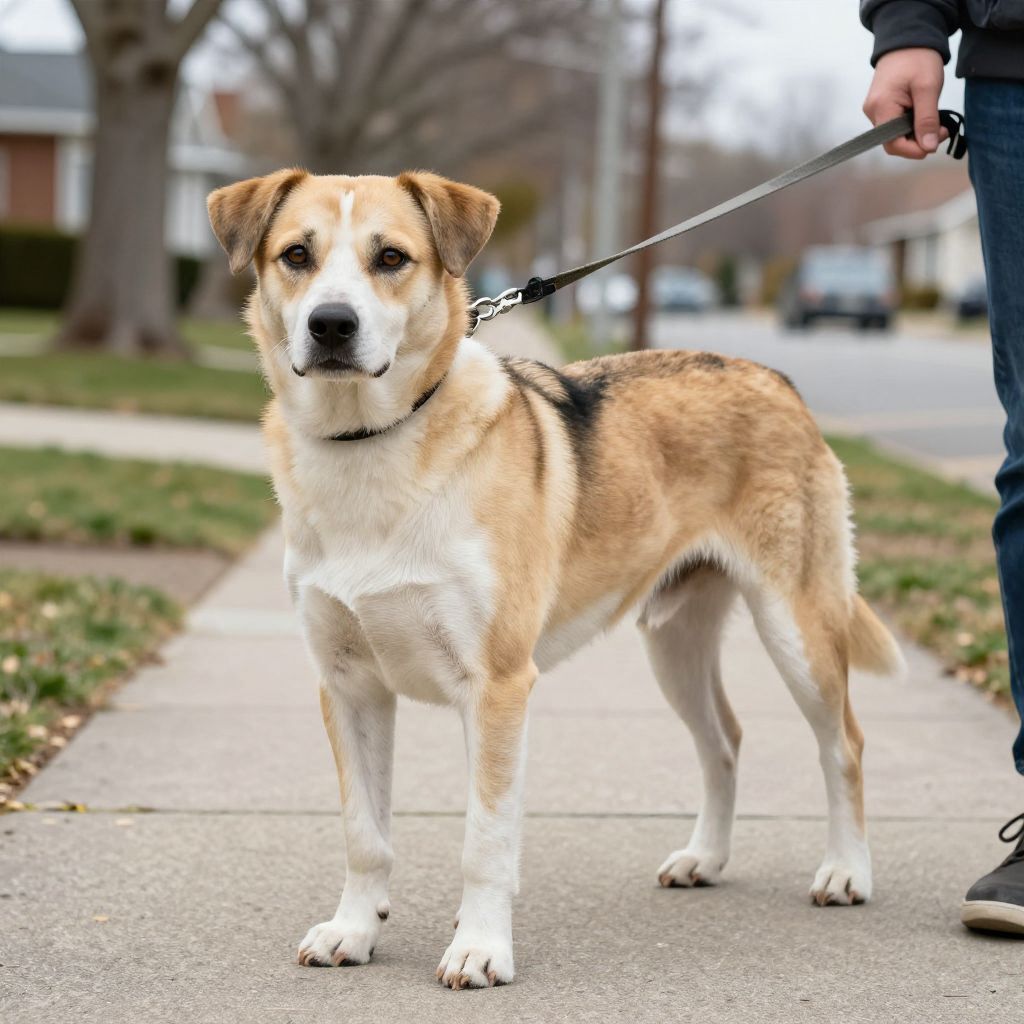
If you’ve heard someone call a dog a “mutt,” you may wonder what that really means. In everyday use, it usually refers to a mixed-breed dog rather than a dog from a single recognized breed.
The word can be casual, affectionate, or outdated depending on context. What matters most is that a dog’s care, behavior, and health are shaped by the individual dog, not by the label alone.
What Is A Mut?
A mutt is a dog with ancestry from more than one breed, often without a documented pedigree. The term is informal and usually means “mixed-breed dog.” It does not tell you exactly which breeds are in the dog, and it does not predict temperament, size, or health with certainty.
What the word “mutt” really means
People use “mutt” in different ways. Some use it affectionately, some use it casually, and some consider it old-fashioned or dismissive. In practical terms, it usually means a dog whose family background includes multiple breeds or unknown ancestry.
Common labels you may hear
- Mixed-breed dog: the most neutral and widely accepted term.
- Mutt: informal, often friendly, but not always preferred.
- Heinz 57: a playful slang term for a mixed-breed dog.
- Crossbreed: often used when two known breeds were intentionally bred together.
Why the label can be misleading
Two mixed-breed dogs can look similar and still have very different needs. One may be small and energetic, while another may be larger, calmer, or more prone to certain health issues. Your dog’s actual care should be based on age, body size, medical history, and behavior, not the word “mutt.”
Is a mutt the same as a mixed-breed dog?
Yes, in everyday conversation, “mutt” usually means a mixed-breed dog. The difference is mostly in tone: “mixed-breed” is more neutral and respectful, while “mutt” is slang. If you are speaking with a veterinarian, trainer, or adoption group, “mixed-breed” is often the clearer choice.
Are mutts healthier than purebred dogs?
Not always. Some mixed-breed dogs may have fewer inherited problems than certain purebred lines, but mixed ancestry does not guarantee better health. Any dog can develop allergies, joint disease, dental problems, obesity, heart disease, or other medical issues.
What affects a mutt’s health
- Genetics: inherited traits can come from any breed in the background.
- Body size: larger dogs may face different joint or orthopedic concerns than smaller dogs.
- Age: puppies, adults, and seniors have different health needs.
- Diet and weight: excess weight can strain joints and organs.
- Preventive care: vaccines, parasite control, dental care, and regular exams matter for every dog.
If you adopted a mixed-breed dog and do not know the exact background, your veterinarian can still help you create a care plan based on the dog’s size, build, and current health.
Can you tell what breeds are in a mutt?
Sometimes you can make an educated guess by looking at body shape, coat type, ear set, tail carriage, and behavior, but appearance is not proof. DNA tests may offer clues, though results are not perfect and should not replace a veterinary exam or common-sense care.
What a DNA test can and cannot do
- It may suggest likely breed ancestry.
- It may help explain some physical traits.
- It cannot guarantee personality or future behavior.
- It should not be used as the only basis for medical or training decisions.
What are mutts like in temperament?
There is no single mutt personality. Some mixed-breed dogs are outgoing, some are cautious, some are high-energy, and some are laid-back. Temperament depends on genetics, early socialization, environment, training, and life experience.
What shapes behavior most
- Early socialization with people, dogs, sounds, and places.
- Training history and consistency from caregivers.
- Stress and past experiences, especially in rescue dogs.
- Physical needs such as exercise, sleep, and mental enrichment.
- Health issues like pain, skin irritation, or thyroid disease that can affect behavior.
Instead of assuming a mutt will act a certain way, watch your own dog’s body language and patterns. That gives you more useful information than any label.
How to care for a mutt
Care for a mixed-breed dog the same way you would care for any dog: with good nutrition, training, exercise, grooming, and preventive veterinary care. The details depend on the dog’s size, coat, age, and activity level.
1. Feed an appropriate complete diet
Choose a balanced dog food that matches your dog’s life stage and size. Puppies, adults, and seniors have different nutritional needs, and very active dogs may need more calories than couch-loving dogs.
- Measure meals to help prevent weight gain.
- Use treats sparingly during training.
- Ask your veterinarian if your dog has allergies, a sensitive stomach, or a medical condition that affects diet.
2. Provide exercise that fits the dog
Some mutts need long walks, runs, or structured play, while others are satisfied with shorter outings. Match activity to your dog’s age, fitness, and joint health.
- Young dogs often need more play and training breaks.
- Adult dogs usually benefit from daily physical and mental exercise.
- Senior dogs may need gentler, shorter sessions with more rest.
3. Groom based on coat type
Mixed-breed dogs may have short, long, curly, wiry, or double coats. Grooming needs vary widely, so check the coat rather than assuming based on the label.
- Brush regularly if the coat sheds or tangles.
- Trim nails before they become painful or affect gait.
- Clean ears if your veterinarian recommends it, especially for dogs prone to ear issues.
- Brush teeth or use veterinary-approved dental care routines.
4. Use reward-based training
Positive reinforcement works well for most dogs, including mutts. Reward the behaviors you want with treats, praise, play, or access to something your dog enjoys.
- Teach basic cues such as sit, stay, come, and leave it.
- Practice short sessions so your dog stays engaged.
- Use management tools like leashes, baby gates, and crates when needed for safety.
- Avoid punishment, intimidation, or “dominance” methods, which can increase fear and problem behavior.
Common mistakes people make with mixed-breed dogs
One common mistake is assuming a mutt needs less care because the dog is “just a mutt.” Another is assuming the dog will be healthier or easier than other dogs. Every dog still needs routine care, structure, and attention to behavior and medical needs.
- Skipping vet visits because the dog “seems fine.”
- Overfeeding treats and causing weight gain.
- Not socializing puppies early enough.
- Expecting a rescue dog to adjust instantly.
- Using breed assumptions instead of observing the individual dog.
When to see a veterinarian
Schedule a veterinary visit if your mixed-breed dog has ongoing itching, vomiting, diarrhea, limping, coughing, weight changes, low energy, or behavior changes that are new or worsening. These signs can have many causes, and a veterinarian can help identify the problem safely.
Get urgent veterinary care now if you notice
- Difficulty breathing
- Collapse or inability to stand
- Seizures
- Bloated, hard, or painful abdomen
- Repeated vomiting with weakness or dehydration
- Heavy bleeding
- Suspected poisoning or toxin exposure
- Sudden severe pain or trauma
If your dog is a puppy, senior, or has a known medical condition, it is especially important to keep up with regular checkups and preventive care.
How to choose a mutt-friendly care routine
The best routine is the one that fits your dog’s actual needs. Start with the basics, then adjust based on energy level, coat, body condition, and veterinary advice.
- Track your dog’s weight and body condition.
- Choose food appropriate for age and size.
- Set a daily exercise and training schedule.
- Brush, trim nails, and check ears and teeth regularly.
- Watch for changes in appetite, energy, stool, or behavior.
- Ask your veterinarian about vaccines, parasite prevention, and dental care.
Bottom line on what a mutt is
A mutt is simply a mixed-breed dog, and the label tells you less than you might think. Focus on the individual dog’s health, temperament, and needs, and you’ll make better choices for care, training, and long-term wellbeing.
If you want to learn more, you may also find this helpful: what is a mutt dog and what is a mutt.