
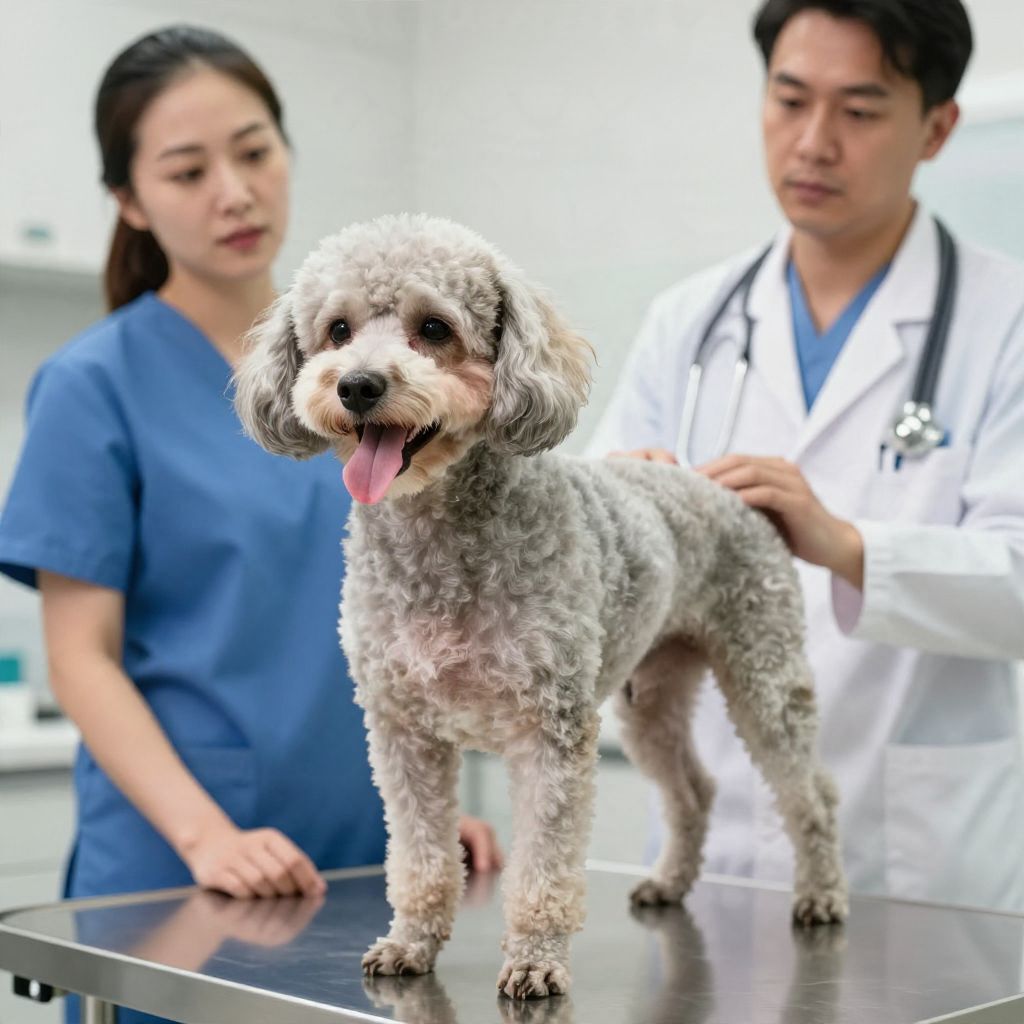
What is Cushings disease in dogs? It is a hormone disorder caused by too much cortisol in the body, usually from a tumor in the pituitary or adrenal glands, or from long-term steroid medication. It can affect energy, skin, appetite, thirst, and urination.
Because the signs often look like normal aging, many dogs are diagnosed only after a veterinary exam and testing. If your dog is drinking, eating, or urinating much more than usual, or seems weak or unwell, a veterinarian should evaluate them promptly.
What Is Cushings Disease In Dogs?
Cushing’s disease, also called hyperadrenocorticism, happens when a dog’s body makes too much cortisol for too long. Cortisol helps regulate stress, metabolism, and immune function, but excess levels can slowly damage health and quality of life.
Most cases are not caused by anything you did wrong. The condition is usually linked to a small tumor in the pituitary gland, a tumor in one adrenal gland, or prolonged use of corticosteroid medicines prescribed for another illness.
What are the most common signs?
The most common signs are gradual and easy to miss at first. Many dogs develop increased thirst, increased urination, a bigger appetite, panting, a pot-bellied appearance, and changes in skin or coat condition.
Common symptoms you may notice
- Drinking more water than usual
- Urinating more often or having accidents indoors
- Increased appetite
- Panting, even at rest
- Thin skin or hair loss
- Recurrent skin or ear infections
- Reduced energy or muscle weakness
- A swollen, rounded abdomen
These signs can also happen with other medical problems, including diabetes, kidney disease, liver disease, and some infections. That is why testing matters instead of guessing.
What causes Cushing’s disease in dogs?
There are three main causes. The most common is a pituitary tumor that tells the adrenal glands to make too much cortisol. Less commonly, an adrenal tumor directly overproduces cortisol. A third cause is iatrogenic Cushing’s, which comes from steroid medication given over time.
Pituitary-dependent Cushing’s
This form is usually linked to a small pituitary tumor. The tumor is often benign, but it still disrupts hormone control and can cause ongoing symptoms.
Adrenal-dependent Cushing’s
This form starts in one adrenal gland. Some adrenal tumors are benign, while others are more serious, so imaging and veterinary guidance are important.
Iatrogenic Cushing’s
If your dog has been taking steroid medications, do not stop them suddenly unless your veterinarian tells you to. Stopping corticosteroids abruptly can be dangerous and may cause serious illness.
How do veterinarians diagnose it?
Diagnosis usually involves a physical exam, bloodwork, urine testing, and specific hormone tests. Your veterinarian may also recommend abdominal ultrasound or other imaging to help identify the cause and guide treatment.
There is no single simple at-home test that can confirm Cushing’s disease. Because symptoms overlap with many other conditions, a proper diagnosis is important before any treatment begins.
- Blood tests may show patterns that suggest the disease, but they are not enough alone.
- Urine tests help assess concentration and rule out other problems.
- Hormone tests help confirm excess cortisol activity.
- Imaging may be used to check the adrenal glands or look for other disease.
Is Cushing’s disease serious?
Yes, it can be serious if it is not managed. Some dogs live comfortably for a long time with treatment, but untreated Cushing’s disease can raise the risk of infections, high blood pressure, blood clots, diabetes, and muscle weakness.
The level of concern varies by the cause, the dog’s age, and whether other health problems are present. A dog with mild signs may be stable for a while, while another dog may become ill more quickly if complications develop.
What treatment options are available?
Treatment depends on the cause and your dog’s overall health. Many dogs with pituitary-dependent disease are managed with medication and regular monitoring. Some adrenal tumors may be treated surgically if your veterinarian thinks that is appropriate.
Dogs with steroid-induced Cushing’s need careful veterinary supervision as the steroid plan is adjusted. This is not something to manage on your own, because the underlying condition that required the steroid still matters.
What ongoing care usually involves
- Regular rechecks with your veterinarian
- Repeat bloodwork or hormone testing
- Monitoring drinking, urination, appetite, and energy
- Watching for skin infections or urinary tract infections
- Adjusting treatment if side effects appear
What should you watch for at home?
Home monitoring is very helpful because daily changes often show how well treatment is working. Keep an eye on water intake, urination habits, appetite, breathing, coat quality, and activity level.
It can help to write down changes in a notebook or phone app. If your dog suddenly seems worse, that record can help your veterinarian decide whether the disease is progressing or whether another problem is present.
Call your veterinarian soon if you notice
- Sudden increase in thirst or urination
- New accidents in the house
- Marked panting or restlessness
- Skin infections, odor, or redness
- Weakness, wobbliness, or trouble rising
- Rapid weight or muscle changes
When is it an emergency?
Some signs need urgent veterinary care right away. Seek immediate help if your dog collapses, has trouble breathing, cannot stand, seems extremely weak, has a swollen painful belly, or suddenly becomes very lethargic.
Also treat vomiting, severe diarrhea, pale gums, or a sudden change in mental alertness as urgent, especially if your dog already has Cushing’s disease or is being treated for it.
How can you support a dog with Cushing’s disease?
Supportive care can make a big difference, but it should complement veterinary treatment rather than replace it. Many dogs do best with predictable routines, easy access to water, and close monitoring for infections or behavior changes.
Practical care tips
- Provide fresh water at all times.
- Let your dog go out more often for bathroom breaks.
- Keep exercise gentle and consistent if your veterinarian approves it.
- Feed a balanced diet recommended for your dog’s age and health.
- Watch the skin and ears for redness, odor, or scratching.
- Keep follow-up appointments even if your dog seems better.
Weight management may also matter, but diet changes should be individualized. A dog with Cushing’s disease may have a strong appetite, yet extra treats or unplanned snacks can make weight gain harder to control.
Do certain dogs get Cushing’s disease more often?
Any dog can develop it, but it is diagnosed more often in middle-aged and older dogs. Some breeds may appear more commonly in veterinary reports, but breed does not guarantee risk, and individual dogs vary widely.
Age matters more than breed in many cases, because the disease is often seen later in life. If your senior dog is drinking more, panting more, or losing muscle, it is worth a veterinary check even if the changes seem gradual.
What mistakes should you avoid?
One common mistake is assuming the signs are just normal aging. Another is delaying care because the dog still seems to eat and act mostly normally.
- Do not stop prescribed steroids suddenly without veterinary guidance.
- Do not try to diagnose Cushing’s disease based on symptoms alone.
- Do not use unproven supplements as a substitute for treatment.
- Do not ignore repeated urinary accidents or skin infections.
If your dog has already been diagnosed, follow the treatment plan closely and report side effects quickly. Early adjustments are often easier than waiting until complications build up.
What is the outlook for dogs with Cushing’s disease?
The outlook varies depending on the cause, how early it is found, and how well treatment is tolerated. Many dogs can enjoy a good quality of life with proper monitoring and consistent veterinary care.
Because this is usually a long-term condition, the goal is often management rather than a quick cure. Staying alert to changes in drinking, urination, appetite, and energy helps you and your veterinarian keep the disease under control.
If you want to learn more about related signs, you may also find it helpful to read about why a dog may be drinking a lot of water and what the final stages of Cushing’s disease in dogs can look like.
If you suspect Cushing’s disease in your dog, schedule a veterinary visit soon. Early testing can help you rule out other illnesses, confirm the cause, and start the right care before complications become harder to manage.