
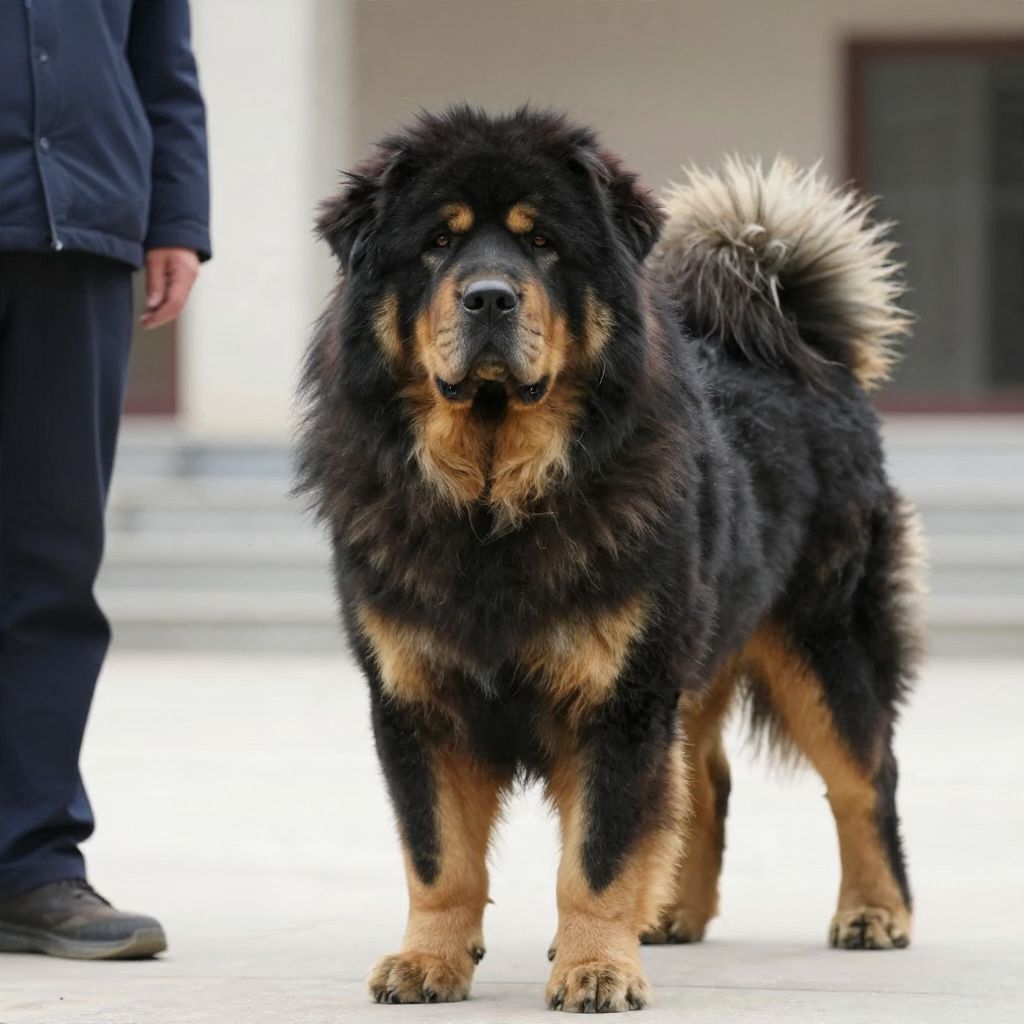
What is the most expensive dog in the world? The answer depends on whether you mean the highest purchase price, the rarest breed, or the total lifetime cost of ownership. A dog can cost a fortune because of its pedigree, rarity, training, import fees, or show potential.
If you are comparing breeds or planning to buy one, it helps to separate the sticker price from the real cost of responsible care. Food, veterinary care, grooming, training, and emergency expenses can matter more than the purchase price over time.
What Is The Most Expensive Dog In The World?
The most expensive dog in the world is usually described as a very rare, highly prized dog sold for an exceptional price, often because of pedigree, breeding rights, or show quality. There is no single permanent record, but some breeds and individual dogs have reportedly sold for extremely high amounts.
What “Most Expensive” Really Means
When people ask this question, they may mean different things. A dog can be expensive for several reasons, and the highest price tag is not always the same as the best fit for your home.
- Purchase price: What you pay to buy the dog or puppy.
- Breeding value: Dogs with exceptional pedigree or show traits may cost more.
- Rarity: Uncommon breeds or bloodlines can command higher prices.
- Import and transport costs: Shipping, paperwork, and quarantine can add a lot.
- Lifetime care: Vet care, training, grooming, and supplies often exceed the purchase price.
Why Some Dogs Cost So Much
High prices usually reflect supply, demand, and the expenses behind responsible breeding and placement. A reputable breeder may invest heavily in health testing, socialization, registration, and careful matching of puppies to homes.
Common reasons for a high price
- Rare bloodlines or breed rarity: Fewer available dogs can raise the price.
- Champion lineage: Puppies from proven show or working lines may cost more.
- Health screening: Responsible breeders often spend more on testing and care.
- Training: Some dogs are sold after early obedience, protection, or show training.
- Breeding rights: Some contracts price puppies differently if they are intended for breeding.
Examples Of Dogs That Can Be Extremely Expensive
Prices vary widely by country, breeder, and individual dog, so no breed is always the “most expensive.” Still, a few breeds are often associated with very high prices because they are rare, fashionable, or difficult to source responsibly.
- Tibetan Mastiff: Often mentioned in discussions of very expensive dogs because of rarity and demand.
- Samoyed: Popular, striking, and sometimes costly depending on pedigree and location.
- Chow Chow: Can be expensive where reputable breeders are limited.
- Lowchen: A rare breed that may be hard to find from ethical breeders.
- Cavalier King Charles Spaniel: Not rare everywhere, but quality breeding and health screening can raise the price.
Individual dogs can also sell for very high amounts if they are exceptional show prospects, imported from prized lines, or already trained for a specific purpose.
The Most Expensive Dog Is Not Always The Best Choice
Price does not guarantee health, temperament, or suitability for your family. A costly dog may still need significant training, socialization, exercise, and veterinary care, and some expensive dogs are more challenging than first-time owners expect.
Ask yourself these questions before buying
- Do you have time for daily care, exercise, and training?
- Can you afford routine and emergency veterinary care?
- Does the breed’s energy level match your lifestyle?
- Are you prepared for grooming, shedding, or drool?
- Have you found a responsible breeder or rescue source?
What A Responsible Purchase Should Include
If you are considering an expensive dog, the breeder or seller should be transparent about health, temperament, and care. A high price should never replace proof of good breeding practices.
- Health testing appropriate for the breed
- Clear vaccination and deworming records
- Written contract and return policy
- Early socialization and age-appropriate handling
- Honest discussion of breed risks and needs
Be cautious if a seller focuses only on rarity, “luxury” status, or fast shipping and avoids questions about health and living conditions.
Hidden Costs That Matter More Than The Purchase Price
The real cost of a dog often shows up after you bring the dog home. Even a moderately priced puppy can become expensive over a lifetime, especially if the breed is large, high-energy, or prone to certain health problems.
Ongoing costs to plan for
- Veterinary care: Wellness exams, vaccines, parasite prevention, and illness visits.
- Emergency care: Accidents and sudden illness can be costly.
- Food: Larger dogs and active dogs usually eat more.
- Training: Classes or private help may be needed for manners or behavior concerns.
- Grooming: Some coats need professional maintenance.
- Supplies: Beds, crates, leashes, collars, toys, and enrichment items.
How To Avoid Overpaying Or Buying A Problem Dog
When a dog is marketed as “the most expensive,” it is easy to get caught up in status. Focus on the dog’s actual welfare, health, and fit for your home.
- Research the breed’s typical needs and common health concerns.
- Visit the breeder or seller in person if possible.
- Meet the puppy’s mother when appropriate.
- Ask for health records and registration documents.
- Get everything in writing before paying a deposit.
- Walk away from pressure tactics or vague answers.
Care Needs Of Expensive Dogs Are Still Ordinary Dog Needs
Even a very expensive dog needs the same basics as any other dog: balanced nutrition, safe exercise, socialization, training, and regular veterinary care. A high price does not reduce the need for patience and consistent routines.
Important care basics
- Nutrition: Feed a complete, age-appropriate diet.
- Exercise: Match activity to the dog’s age, size, and breed tendencies.
- Training: Use reward-based methods and clear routines.
- Socialization: Introduce new people, places, and sounds gradually.
- Grooming: Brush, bathe, trim nails, and clean ears as needed.
When A Very Expensive Dog Needs Veterinary Help
Because some high-value dogs are transported long distances or come from tightly managed breeding programs, it is especially important to watch for health issues early. Do not wait if you see signs of serious illness.
Seek urgent veterinary care if your dog has trouble breathing, collapses, has repeated vomiting or diarrhea, cannot stand, has a bloated abdomen, has seizures, or may have been poisoned or seriously injured.
Call your veterinarian promptly for poor appetite, lethargy, limping, coughing, eye discharge, skin problems, or behavior changes that last more than a day or two, especially in puppies or senior dogs.
What To Remember Before You Buy
The most expensive dog in the world is usually a rare, highly prized dog with an exceptional price tag, but that price does not guarantee better health or easier care. The best dog for you is one you can responsibly house, train, feed, and care for over the long term.
If you are comparing breeds or trying to understand why one puppy costs far more than another, focus on health, temperament, and breeder quality first. If you want to learn more about breed pricing, you may also find how much a Cane Corso costs and how much Cane Corso puppies are helpful for context.