
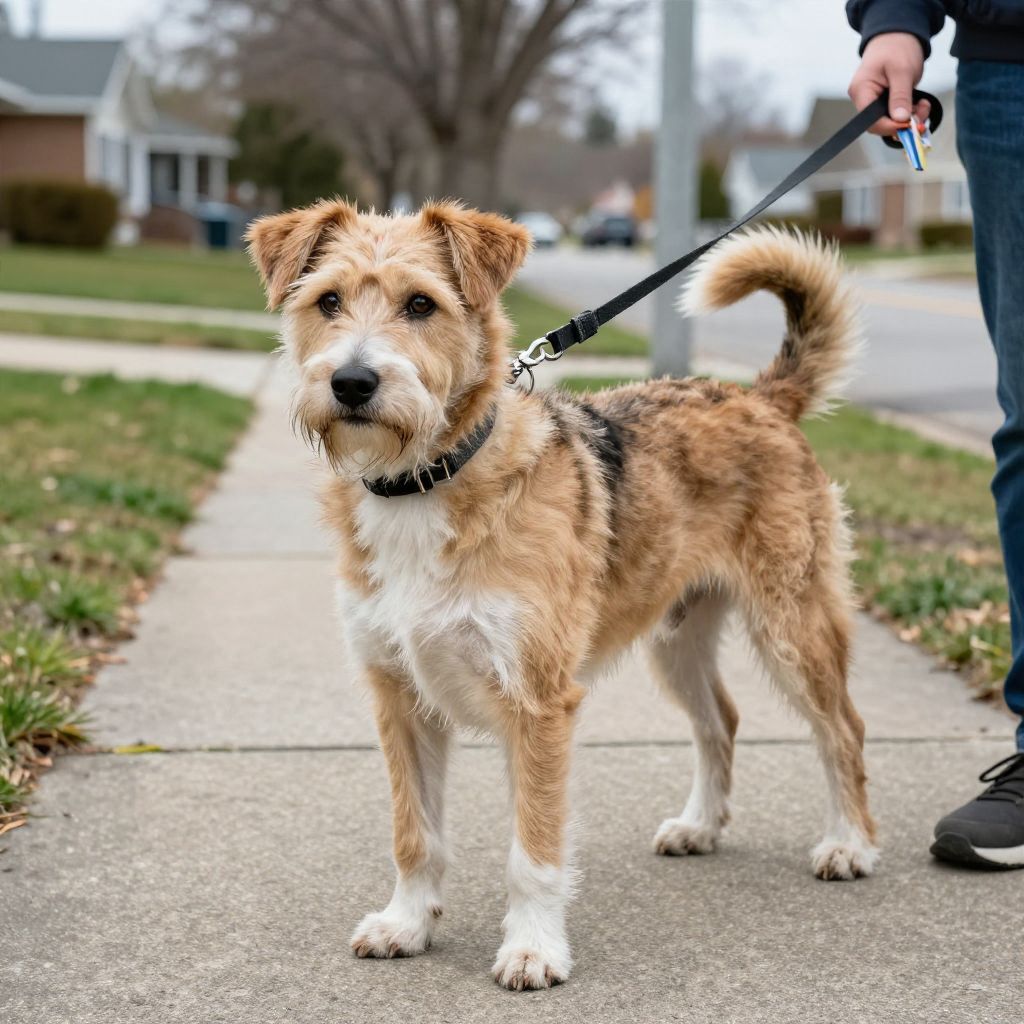
If you’re wondering what kind of dog Benji is, the short answer is that “Benji” has referred to more than one dog in film and TV, but the classic Benji is usually identified as a mixed-breed dog with a scruffy, small-to-medium build and a friendly, alert look.
Because Benji is a fictional character rather than a single real breed, the exact answer depends on which movie or version you mean. If you’re looking for a similar dog, focus on temperament, coat care, size, and training needs instead of trying to match one exact breed label.
What Kind Of Dog Is Benji?
Benji is best described as a mixed-breed dog, not a purebred with one fixed standard. The character is usually portrayed as a small-to-medium, shaggy, intelligent, people-oriented dog, but the exact breed mix varies by version, so appearance and behavior are better understood as general traits rather than guarantees.
Why Benji Is Hard To Pin Down To One Breed
Many people ask what kind of dog Benji is because the character has been played by different dogs over time. That means there is no single official breed answer that fits every appearance of Benji.
In practice, Benji’s look is a movie character design: scruffy coat, expressive face, and an approachable size that makes him seem friendly and easy to root for. Real dogs that resemble Benji may be mixed breeds or small terrier-type crosses, but looks alone cannot confirm breed.
What you can learn from Benji’s look
- A shaggy coat often needs regular brushing to prevent tangles.
- A small-to-medium dog may still need daily exercise and training.
- An alert, social dog may enjoy frequent interaction and enrichment.
- Mixed-breed dogs can have a wide range of energy levels and care needs.
If You Want A Dog Like Benji, Look Beyond The Breed Label
Choosing a dog “like Benji” works best when you think about daily life, not just appearance. Breed mix can influence tendencies, but individual temperament, early socialization, health, and training history matter just as much.
Helpful questions to ask before adopting
- How much daily exercise can you realistically provide?
- Do you want a dog that is more independent or more people-focused?
- Can you keep up with grooming for a medium or long coat?
- Will the dog live with children, cats, or other pets?
- Do you have time for training, enrichment, and vet care?
If you are adopting, ask the shelter or rescue about the dog’s energy level, comfort with handling, response to strangers, and any known medical or behavior concerns. Those details are often more useful than a guessed breed mix.
Care Tips For A Benji-Like Dog
A dog with a Benji-style coat and personality often does well with consistent routine care. The exact needs vary by coat type, age, and health, but most dogs benefit from regular grooming, exercise, and positive training.
Grooming
- Brush the coat several times a week if it tangles easily.
- Check ears, paws, and the area under the collar for mats or debris.
- Bathe only as needed with a dog-safe shampoo.
- Trim nails regularly so walking stays comfortable.
If the coat is long or dense, grooming may need to be more frequent. If your dog resists brushing, start with very short sessions and reward calm behavior so grooming becomes easier over time.
Exercise and enrichment
- Provide daily walks suited to your dog’s age and fitness.
- Use sniffing games, puzzle feeders, and short training sessions.
- Rotate toys to keep interest high.
- Include safe off-leash play only in secure areas.
Many dogs that seem “easygoing” still need mental work. A bright, social dog can become bored without enough activity, which may lead to barking, chewing, digging, or attention-seeking.
Training and socialization
Benji is often remembered as clever and cooperative, which is a good reminder that reward-based training works well for many dogs. Use treats, praise, play, and consistency rather than punishment or intimidation.
- Teach basic cues such as sit, stay, come, and leave it.
- Practice handling skills for brushing, nail trims, and vet visits.
- Expose your dog gradually to new people, places, sounds, and surfaces.
- Reward calm behavior around visitors, children, and other animals.
Some dogs warm up quickly; others need more time. Go at your dog’s pace and avoid forcing interactions, especially if the dog shows fear, stiff posture, hiding, or growling.
Common Mistakes When People Assume A Dog Is “Just Like Benji”
Because Benji looks easygoing on screen, people sometimes assume a similar dog will be low-maintenance. That is not always true. Even a small mixed-breed dog can have strong exercise needs, separation anxiety, or a sensitive temperament.
- Assuming size equals low energy: small dogs may still need plenty of activity.
- Ignoring grooming needs: shaggy coats can mat quickly without care.
- Skipping training: friendly dogs still need manners and impulse control.
- Overlooking health checks: mixed-breed dogs still need routine veterinary care.
Health And Vet Care To Keep In Mind
Since Benji is not one fixed breed, there is no single breed-specific health profile to rely on. Your dog’s needs depend on age, body condition, genetics, and lifestyle, so routine veterinary care matters more than a guessed breed identity.
Watch for these general warning signs
- Loss of appetite or sudden weight change
- Limping, stiffness, or trouble rising
- Persistent vomiting or diarrhea
- Itching, hair loss, or skin irritation
- Coughing, labored breathing, or unusual fatigue
- Ear odor, head shaking, or pain when touched
Seek urgent veterinary care right away if your dog has trouble breathing, collapses, has a seizure, has a bloated abdomen, cannot urinate, or may have eaten something toxic. Do not wait for symptoms to “see if they pass.”
Feeding A Dog Like Benji
A balanced commercial dog food that matches your dog’s life stage is usually the safest everyday choice. The right portion depends on body size, activity level, age, and whether your dog is neutered, overweight, or highly active.
- Choose a complete and balanced diet appropriate for puppies, adults, or seniors.
- Measure meals instead of free-feeding when weight control is needed.
- Use treats sparingly during training so calories stay in check.
- Ask your veterinarian before changing diets if your dog has allergies or medical issues.
If you want to offer people food, keep it simple and safe in small amounts. Avoid anything toxic to dogs, and do not use table scraps as a main diet. If you are unsure whether a food is safe, check with your veterinarian first.
When To Talk To A Trainer Or Behavior Professional
Some dogs that seem like Benji on the outside still struggle with fear, reactivity, or separation stress. If your dog is hard to manage despite basic training, a qualified professional can help you build a plan that is humane and practical.
Consider help from a certified trainer or veterinary behaviorist if your dog:
- Growls, snaps, or bites
- Panics when left alone
- Barks or lunges at people or dogs
- Cannot settle indoors
- Shows fear during grooming or handling
Look for reward-based methods and avoid anyone who recommends punishment, shock collars, or “dominance” techniques. Those approaches can increase fear and make behavior worse.
Bottom Line: What Kind Of Dog Is Benji?
Benji is generally a mixed-breed, shaggy, small-to-medium dog character rather than one exact breed. If you love the Benji look, focus on the real dog’s temperament, grooming needs, exercise level, and health history so you can choose and care for a dog that fits your home.
If you want to keep learning, you may also find what kind of dog Benji was and what kind of dog Lady is helpful for comparing famous movie dogs and their likely breed backgrounds.