
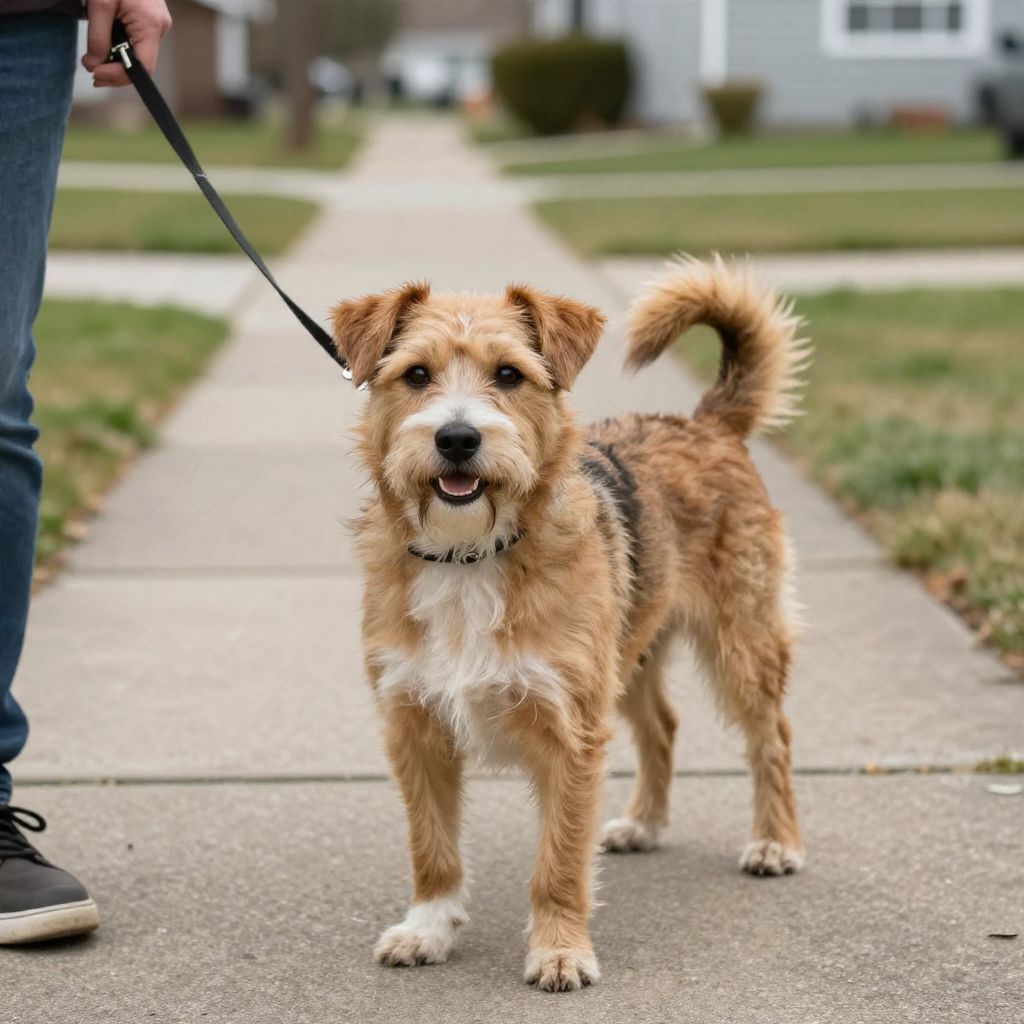
What kind of dog was Benji? In the original films, Benji was a mixed-breed dog, not a single pure breed. The character was famously played by a scruffy, small-to-medium dog with a friendly, intelligent look that helped make him memorable.
If you want to know what that means for real-life dog care, the most useful answer is that Benji’s appearance does not tell you everything about temperament, size, or needs. Mixed-breed dogs can vary widely, so care should be based on the individual dog in front of you.
What kind of dog was Benji?
Benji was portrayed by a mixed-breed dog, most famously a dog named Higgins in the original 1974 film and later by other dogs in the role. He was not a recognized pure breed. Because of that, Benji’s exact breed makeup is less important than his general small, shaggy, companion-dog look and adaptable personality.
Why Benji’s breed is often described differently
People often ask this question because Benji looked like a real family dog rather than a show dog with a clear breed label. Over the years, different dogs played the character, and that can make the answer seem confusing.
What matters most is that Benji was presented as a mixed-breed dog with a warm, clever, approachable personality. That image is part of why the character connected with so many viewers.
What you can and cannot infer from a mixed-breed dog
- You can often make rough guesses about adult size, coat type, and energy level.
- You cannot reliably predict temperament from appearance alone.
- Training history, socialization, health, and daily routine matter a lot.
- Two dogs with similar looks may need very different care.
What Benji’s look suggests about everyday care
Benji’s shaggy, medium-small appearance suggests the kinds of care many companion dogs need: regular grooming, daily activity, and positive training. But the exact amount depends on coat type, age, and health.
If your own dog looks like Benji, focus on practical basics rather than assuming a breed standard. A dog with a longer coat may need more brushing, while a smaller or older dog may need gentler exercise and closer monitoring.
Grooming basics for shaggy or mixed-coat dogs
- Brush regularly to reduce tangles and mats.
- Check ears, paws, and under the collar for debris or irritation.
- Trim nails as needed to support comfortable movement.
- Use a professional groomer if mats are tight or the coat is difficult to manage safely.
Exercise and enrichment
- Provide daily walks suited to your dog’s age and fitness.
- Use sniffing, puzzle toys, and short training sessions to add mental stimulation.
- Adjust activity for hot weather, cold weather, arthritis, or breathing issues.
- Watch for fatigue, limping, or reluctance to continue.
Temperament: what Benji does and does not tell you
Benji is remembered as friendly, brave, and resourceful, but that is a character portrayal, not a guarantee of how a real dog will behave. Breed mix can influence tendencies, yet individual personality and life experience are just as important.
If you adopt a dog with a similar look, use structured observation instead of assumptions. Notice how the dog responds to strangers, handling, noise, children, and other animals.
Helpful signs to look for in a new dog
- Recovers fairly quickly after surprises.
- Takes food gently and can focus during short training.
- Shows curiosity without constant fear or overexcitement.
- Accepts handling gradually when paired with treats and patience.
Training tips for a dog like Benji
Whether your dog is mixed-breed or purebred, the best results usually come from reward-based training. Keep sessions short, clear, and consistent so your dog can succeed.
Benji’s screen persona may seem naturally cooperative, but real dogs often need time to learn household rules, leash manners, and calm behavior around distractions.
Good training habits
- Reward behaviors you want, such as sitting, coming when called, and walking politely.
- Practice in low-distraction settings before adding harder environments.
- Use the same cues and rules across the household.
- Prevent rehearsal of unwanted behavior by managing the environment.
- Ask a certified trainer or veterinary behaviorist for help if fear or reactivity is severe.
Common mistakes to avoid
- Assuming a dog “should know better” because of its appearance.
- Using punishment, intimidation, or harsh tools as a first response.
- Expecting perfect behavior without enough practice.
- Ignoring pain, stress, or boredom as possible causes of behavior changes.
Feeding and health care for a dog with Benji-like needs
A dog’s breed mix does not determine a single ideal diet. Choose a complete and balanced food appropriate for your dog’s life stage, body condition, and activity level, and ask your veterinarian if you are unsure.
Small-to-medium companion dogs can be prone to weight gain if treats and table scraps add up. Keeping your dog lean supports mobility, heart health, and long-term comfort.
Practical feeding tips
- Measure meals instead of free-feeding if weight control is needed.
- Use treats sparingly during training and count them toward daily calories.
- Keep fresh water available at all times.
- Transition foods gradually if you change diets.
When to call the veterinarian
- Vomiting or diarrhea that lasts more than a day or is severe.
- Loss of appetite, lethargy, or unexplained weight loss.
- Itching, hair loss, ear odor, or skin redness that keeps returning.
- Coughing, limping, stiffness, or changes in breathing.
Safety concerns to watch for in any family dog
Because Benji is a family-friendly character, readers often think about home safety and child interaction. Supervise all dog-child contact, even with a gentle dog, and teach children to respect resting, eating, and retreat space.
Also remember that a dog’s size does not always match its confidence. A small dog may still guard food, become stressed by rough handling, or react defensively if frightened.
Red flags that need urgent veterinary care
- Difficulty breathing or collapse.
- Repeated vomiting, bloated abdomen, or unproductive retching.
- Seizures.
- Severe bleeding, suspected broken bones, or inability to stand.
- Possible poisoning, including chewing medications, toxic foods, or chemicals.
If you are choosing a dog that reminds you of Benji
If you love Benji’s look and want a similar companion, focus on fit rather than appearance alone. Consider energy level, grooming needs, size, and how much time you can spend on training and exercise.
Meet the dog several times if possible, ask about behavior in different settings, and learn about any medical history. A good match is usually about lifestyle compatibility, not just a cute face.
Questions to ask before adopting
- How does the dog behave with strangers, children, and other animals?
- What is the dog’s current exercise and training routine?
- Does the dog have any medical or grooming needs?
- What helps the dog feel calm and secure?
The bottom line on what kind of dog Benji was
Benji was a mixed-breed dog, not a single official breed, and that is the clearest answer to the question. His fame came from his lovable personality and scruffy family-dog appearance, not from a breed label.
If you are caring for a dog like Benji, base your routine on the individual dog’s coat, age, health, and temperament. For more classic dog-character comparisons, you may also enjoy what kind of dog was Lassie or what kind of dog was Cujo.