
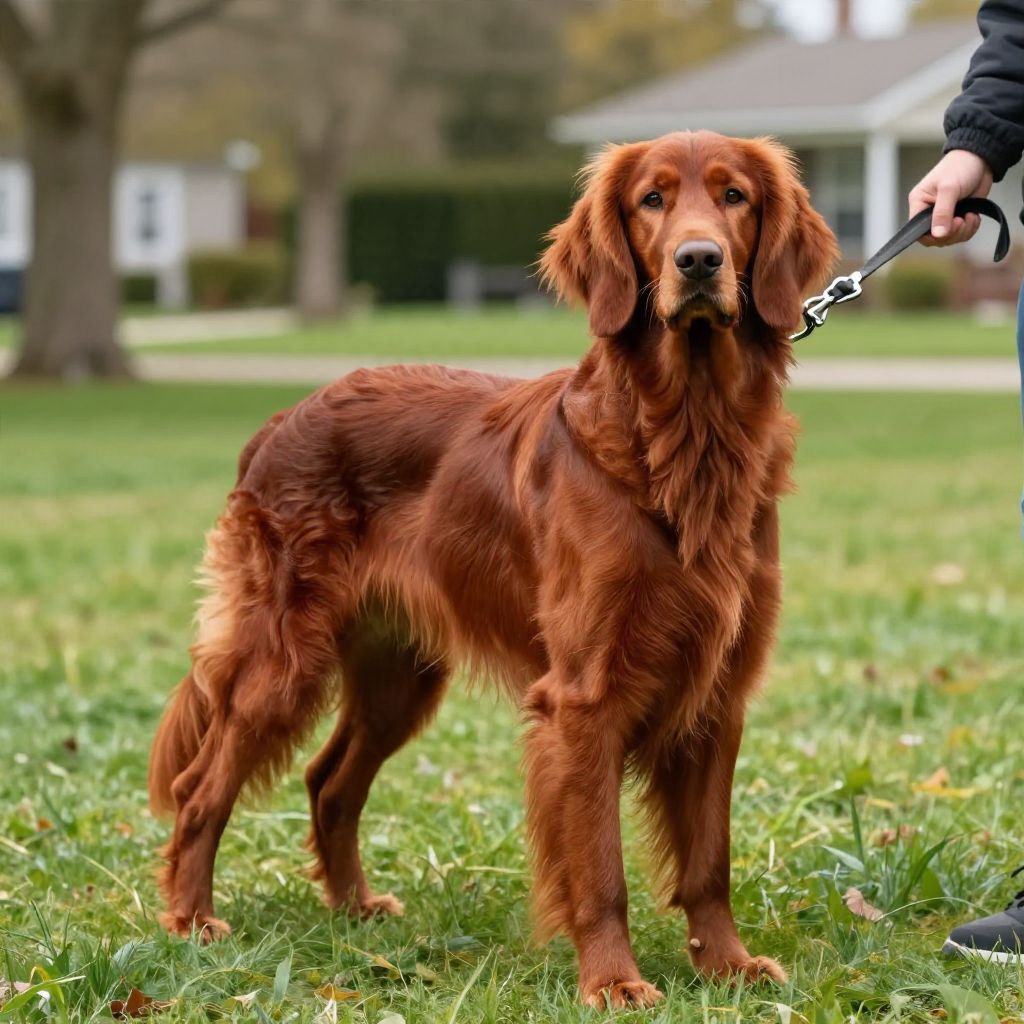
If you’re asking “What kind of dog is Clifford,” the short answer is that Clifford is usually described as a giant red dog, but he is fictional and not a real, recognized breed. In stories, his exact breed is left vague, which is part of his charm.
That means the best way to think about Clifford is as a very large, friendly dog character rather than a breed standard. If you’re curious about what a dog like Clifford would need in real life, size, training, and health care would matter far more than a label.
What kind of dog is Clifford?
Clifford is best understood as a fictional oversized dog with no officially confirmed breed. Different adaptations and fan guesses have suggested various large breeds, but there is no reliable canon answer. For practical purposes, think of him as a giant, affectionate companion whose care needs would resemble those of a very large dog.
Why Clifford’s breed is never clearly defined
Clifford was created as a character, not as a breed example. That means his appearance is designed for storytelling, not for matching a real dog’s anatomy, coat type, or temperament.
Because of that, any breed guess is only speculation. You may see people compare him to breeds with a large frame, floppy ears, or a gentle reputation, but those comparisons are not official and should not be treated as fact.
What matters more than breed in a dog like Clifford
- Size: giant dogs need more space, stronger handling, and more joint support.
- Age: puppies, adults, and seniors have very different needs.
- Health: large dogs can be prone to mobility and heart concerns, depending on the individual.
- Temperament: training history and socialization shape behavior more than a cartoon-style label.
If Clifford were a real dog, what care would he need?
A very large dog needs consistent training, safe exercise, a balanced diet, and routine veterinary care. Bigger bodies place more stress on joints, muscles, and the heart, so prevention and early checkups matter.
Feeding a giant dog safely
You should feed a large dog a complete, age-appropriate diet rather than trying to “guess” portions from appearance. Giant dogs often do best with measured meals, not free-feeding, because excess weight can strain joints and overall health.
- Use a food formulated for the dog’s life stage.
- Measure meals instead of eyeballing portions.
- Keep treats to a small part of daily calories.
- Ask your veterinarian if you’re unsure about body condition or food choice.
For a dog as large as Clifford, rapid growth as a puppy would be especially important to monitor. Overfeeding a growing large-breed puppy can contribute to orthopedic problems, so veterinary guidance is valuable.
Exercise and joint care
Large dogs usually need regular exercise, but not all exercise is equally helpful. Long, repetitive, high-impact activity can be hard on joints, especially in puppies or older dogs.
- Choose steady walks, sniffing time, and low-impact play.
- Avoid forcing intense jumping or repeated stair climbing.
- Watch for limping, stiffness, or reluctance to move.
- Adjust activity if your dog is overweight, elderly, or recovering from injury.
Training and manners
A giant dog must learn polite leash skills, calm greetings, and reliable recall as early as possible. A friendly dog that is too strong to control can still become a safety risk if training is inconsistent.
Reward-based training works well for most dogs because it builds trust and clear communication. Keep sessions short, repeat them often, and reward the behaviors you want.
- Teach name recognition and attention first.
- Reward four paws on the floor instead of jumping.
- Practice loose-leash walking in low-distraction areas.
- Socialize gradually with people, dogs, sounds, and surfaces.
- Use management tools like gates, leashes, and crates when needed.
Would a dog like Clifford be good with children?
Many large dogs can be wonderful family companions, but size alone does not guarantee gentleness. A dog that is affectionate can still accidentally knock over a child or become overwhelmed by rough handling.
If you live with children, teach both the dog and the kids how to interact safely. Supervision is essential, especially around food, toys, sleeping dogs, and high-energy play.
Safe child-and-dog habits
- Never allow children to climb on or hug a dog tightly.
- Give the dog a quiet retreat space.
- Supervise all feeding and treat giving.
- Teach children to ask before approaching any dog.
Grooming and everyday care for a big dog
Clifford’s bright red coat is fictional, but a real dog with a similar size would still need routine grooming based on coat type. Short-haired, long-haired, and double-coated dogs all have different brushing and bathing needs.
Regular grooming is not just about appearance. It helps you spot skin issues, lumps, ear problems, parasites, and sore spots early.
Basic grooming checklist
- Brush as often as the coat requires.
- Trim nails before they become painful or affect gait.
- Check ears for odor, redness, or debris.
- Brush teeth regularly with dog-safe products.
- Inspect paws for cracks, cuts, or foreign objects.
Health concerns that matter most in very large dogs
Not every large dog will develop the same problems, but size can increase the risk of certain issues. This is one reason regular veterinary exams are important even when a dog seems healthy.
Watch for these warning signs
- Limping or trouble rising
- Persistent coughing or heavy breathing
- Swollen abdomen
- Loss of appetite or vomiting
- Sudden lethargy or weakness
- Visible pain, whining, or restlessness
Seek urgent veterinary care immediately if a dog has a bloated belly, repeated unproductive retching, collapse, trouble breathing, seizures, or severe trauma. These can be emergencies.
Why preventive care matters
Routine checkups help catch weight gain, dental disease, heart concerns, and mobility changes early. For a giant dog, small problems can become bigger ones more quickly because the body carries more stress.
How to tell if a dog is “Clifford-sized” in real life
If you’re comparing your own dog to Clifford, the main point is not the exact breed but the practical impact of size. A very large dog may need bigger gear, more floor space, and stronger household management.
- Choose a properly fitted collar or harness.
- Use sturdy leashes and secure gates.
- Make sure beds and crates are appropriately sized.
- Plan for lifting or transport only if your veterinarian recommends it and it is safe to do so.
Large dogs can be easier to live with when you prepare the home early. Good setup prevents injuries to both you and the dog.
Common mistakes people make with giant dogs
People sometimes assume a big, friendly dog can handle rough play, long runs, or limited training because the dog “seems calm.” That can create avoidable problems.
- Waiting too long to start training.
- Overfeeding puppies or adults.
- Ignoring early signs of joint discomfort.
- Using punishment instead of teaching desired behavior.
- Letting a large dog jump on people because it seems cute.
Good habits are easier to build early than to fix later, especially with a dog that has a lot of strength and body weight.
So, what kind of dog is Clifford in practical terms?
In practical terms, Clifford is a fictional giant companion dog with no confirmed breed. If you want to picture him as a real pet, think of a very large, affectionate dog that would need structured training, careful feeding, regular grooming, and thoughtful health monitoring.
If you’re researching dog characters or comparing them to real breeds, it can also help to read about other fictional dogs such as what kind of dog Lady is or what kind of dog Bolt is.
If you’re caring for a large dog, focus on safe routines, positive training, and regular veterinary checkups. That approach will do far more for your dog’s well-being than trying to match a fictional breed label.