
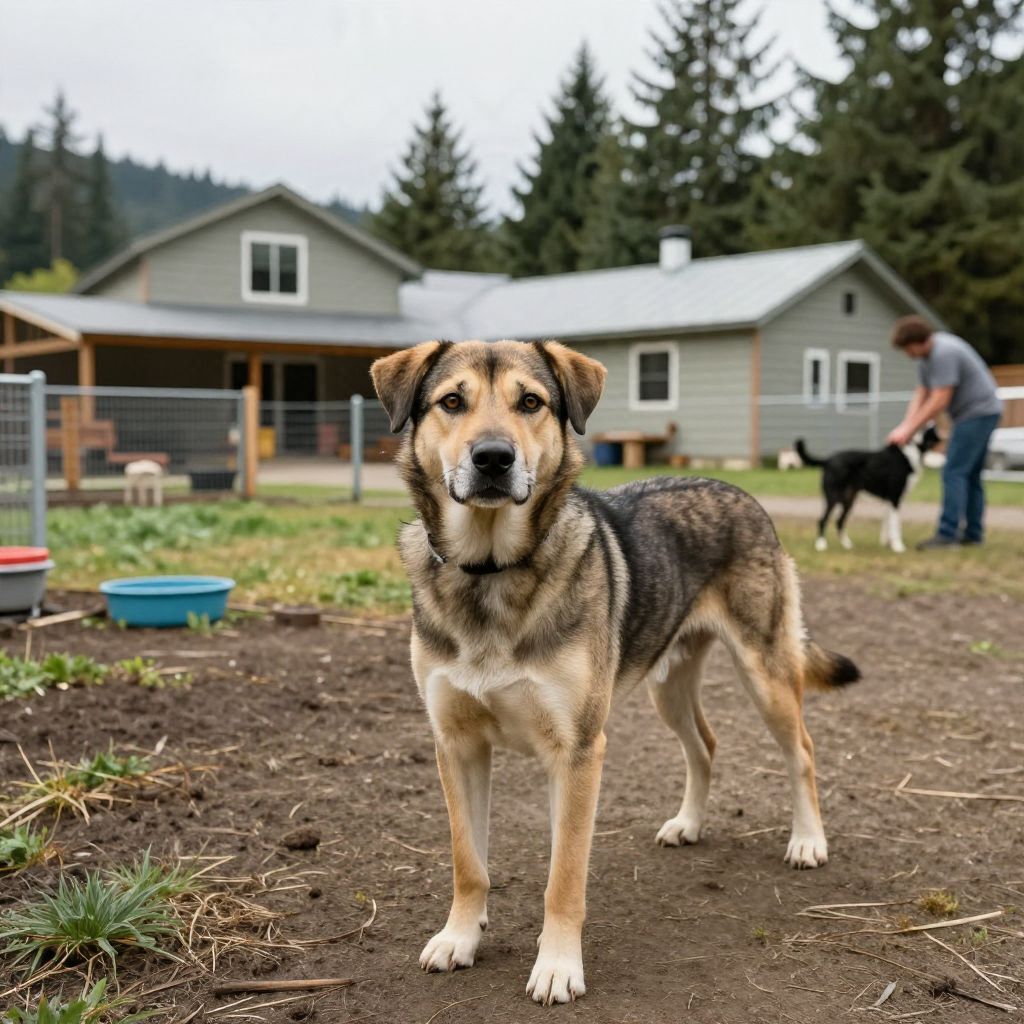
If you’re asking, “Where is The Asher House located?” the short answer is that it is based in Oregon. The Asher House is most closely associated with rural Oregon, where its rescue work, animal sanctuary activities, and related content are centered.
If you’re trying to visit, support, or learn more, it helps to understand that exact locations can change for privacy, safety, and operational reasons. Always confirm current public contact details through official channels before making plans.
Where Is The Asher House Located?
The Asher House is based in Oregon, in the United States. It is associated with a private rescue and sanctuary setting rather than a public dog park or open-access facility, so the exact address is not always publicly shared for safety and animal-welfare reasons.
What You Should Know Before Trying to Visit
Because rescue properties often house many dogs with different needs, they are not usually open for casual drop-ins. If you want to visit, volunteer, donate, or attend an event, check official announcements first and follow the organization’s instructions exactly.
- Do not assume the public can enter freely. Many rescue spaces restrict access to protect the animals.
- Look for official social media posts, a website, or verified contact information.
- Confirm whether the location is open for tours, events, or only scheduled appointments.
- Respect privacy if the organization does not publish a street address.
Why Rescue and Sanctuary Locations Are Often Kept Private
When a place houses dogs that may be fearful, recovering, elderly, or medically fragile, privacy can help reduce stress and improve safety. It can also limit unplanned traffic, noise, and the risk of disease exposure.
Common reasons for limited location details
- Protecting the dogs from stress and overstimulation
- Reducing the chance of trespassing or theft
- Limiting disease exposure from outside animals and visitors
- Keeping staff and volunteers safe during daily care routines
How This Relates to Dog Welfare
Knowing where a rescue is located matters because location affects climate, fencing, travel logistics, and the type of care dogs may need. For example, dogs in a wet, cool region may need different shelter management, drying routines, and exercise planning than dogs in a hot, dry area.
That said, good care depends more on the individual dog than the region alone. Age, breed mix, coat type, medical history, and temperament all influence what a dog needs day to day.
Practical care factors that vary by dog
- Age: Puppies, adults, and seniors have different exercise and rest needs.
- Coat and body type: Thick-coated dogs may overheat more easily; short-coated dogs may need extra warmth.
- Health status: Dogs with arthritis, heart disease, or skin conditions may need modified routines.
- Temperament: Shy or reactive dogs often need quieter handling and more space.
If You Want to Support a Dog Rescue Like The Asher House
If you are inspired by a rescue or sanctuary setting, there are many safe ways to help without visiting in person. The best option depends on the organization’s needs and your own ability to contribute reliably.
- Check the organization’s official donation options.
- Ask whether they need supplies, foster homes, transport help, or volunteer support.
- Follow their rules for food, bedding, and item donations.
- Share verified adoption or fundraising posts rather than unconfirmed information.
Helpful donation questions to ask
- What items are currently most needed?
- Are there size or brand preferences for food, crates, or bedding?
- Can you accept used items, and if so, in what condition?
- Is there a preferred way to schedule drop-off or shipping?
How to Tell Whether a Dog Rescue Is Legitimate and Well Run
If you are researching any rescue organization, a careful review can help you support dogs responsibly. Look for clear adoption policies, transparent contact methods, and practical information about the animals in their care.
- Clear explanation of adoption or placement processes
- Reasonable screening steps for homes and fosters
- Evidence of veterinary care and spay/neuter policies when appropriate
- Specific, realistic descriptions of each dog’s behavior and needs
- Consistent updates that avoid pressure tactics or emotional manipulation
Be cautious if a group makes unrealistic promises, avoids answering basic questions, or discourages you from involving a veterinarian or trainer when a dog has behavior or health concerns.
What Dog Owners Can Learn From Rescue-Sanctuary Care
Even if you never visit The Asher House, rescue settings can offer useful lessons for home dog care. Many dogs in sanctuaries need routine, patience, and low-stress handling, which are also important in family homes.
Good habits to copy at home
- Use predictable feeding, potty, and rest schedules.
- Provide safe enrichment such as sniff walks, puzzle feeders, and chew toys.
- Introduce new people and dogs gradually.
- Watch for stress signals like lip licking, freezing, hiding, or avoidance.
- Use reward-based training instead of punishment or intimidation.
When to Get Professional Help for Your Dog
If your dog is living with anxiety, aggression, chronic pain, or sudden behavior changes, a qualified professional can help. A veterinarian should assess medical causes first, and a certified trainer or veterinary behaviorist can help with behavior planning.
Seek urgent veterinary care right away if your dog has trouble breathing, collapses, cannot stand, has repeated vomiting, severe diarrhea, a bloated abdomen, seizures, or signs of serious injury. Do not wait to “see if it passes.”
Common Mistakes to Avoid When Researching a Rescue Location
It is easy to mix up public-facing content with private property details. To avoid confusion, focus on verified information and do not rely on rumors, outdated maps, or unofficial posts.
- Do not share a private address if the organization has chosen not to publish it.
- Do not show up unannounced to a sanctuary or rescue property.
- Do not assume all rescue dogs are available for handling or socializing.
- Do not use one dog’s behavior as proof that all dogs in the organization are the same.
Bottom Line
The Asher House is located in Oregon, but the exact public-facing details may be limited for safety and animal-care reasons. If you want to support or learn more, use official channels, respect privacy, and follow the organization’s current guidance before making any plans.