
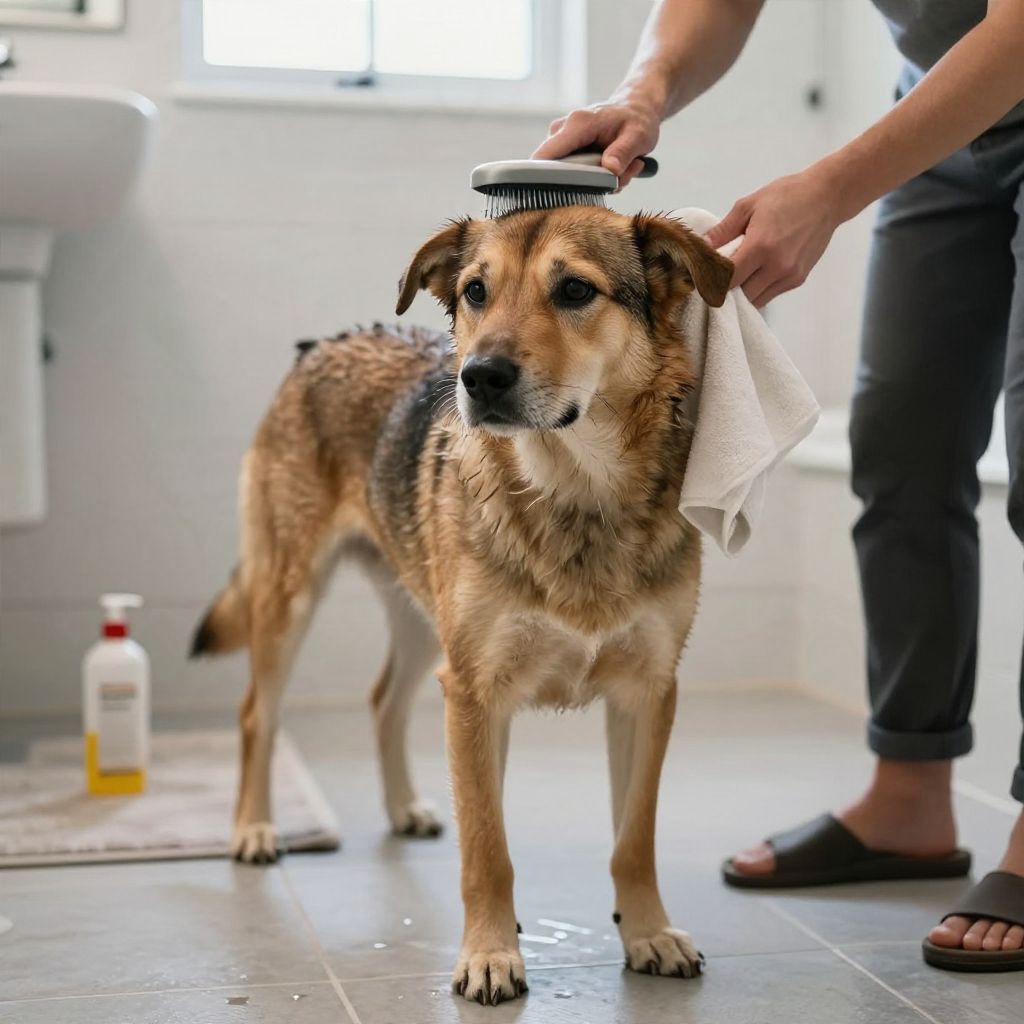
Why does my dog smell so bad? A strong odor usually comes from skin, ears, teeth, anal glands, a dirty coat, or something they rolled in. Sometimes the smell is harmless and fixable with grooming, but a sudden, foul, or unusual odor can point to a health problem that needs a vet.
The best next step is to notice where the smell is coming from and whether your dog has itching, discharge, pain, or behavior changes. That helps you decide if this is a hygiene issue, a diet/grooming issue, or something more serious.
Why does my dog smell so bad?
Dogs can smell bad for many reasons, from normal skin oils and wet fur to infections, dental disease, ear problems, anal gland issues, or parasites. If the odor is strong, persistent, or paired with scratching, licking, redness, discharge, or lethargy, your dog should be checked by a veterinarian.
Common causes of a bad dog smell
1. Dirty coat, skin oils, or “wet dog” odor
Some dogs simply trap more odor in their coat, especially if they have thick fur, oily skin, or spend time outdoors. When fur stays damp, bacteria and yeast can multiply and create a musty smell.
This is more common in dogs with long coats, dense undercoats, or skin folds, but any dog can smell worse if grooming slips. Regular brushing and appropriate bathing usually help.
2. Skin infections or yeast overgrowth
If your dog smells sour, greasy, or “corn chip-like,” the skin may be involved. Yeast and bacterial skin infections often cause odor along with redness, itching, dandruff, hair loss, or repeated licking.
These problems can develop in dogs with allergies, moisture trapped in the coat, or skin folds. They often need veterinary treatment, not just a bath.
3. Ear infections
Ear infections can cause a strong, unpleasant smell that may be noticeable before other signs. You might also see head shaking, scratching, redness, waxy discharge, or sensitivity when the ears are touched.
Dogs with floppy ears or narrow ear canals may be more prone to ear issues, but any dog can get them. Ear infections should be treated by a vet because the cause may be yeast, bacteria, ear mites, or another problem.
4. Dental disease and bad breath
Bad breath is one of the most common reasons a dog smells bad. Tartar buildup, gum disease, infected teeth, or oral pain can create a strong rotten or fishy odor.
Watch for drooling, difficulty chewing, pawing at the mouth, bleeding gums, or dropping food. Dental disease is not just cosmetic; it can affect your dog’s comfort and overall health.
5. Anal gland problems
Anal glands can produce a very strong, fishy smell when they are full, irritated, or infected. Some dogs scoot, lick their rear, seem uncomfortable when sitting, or have swelling near the anus.
This issue can happen in dogs of many sizes and ages, though some individuals seem more prone to it than others. If the area looks red, painful, or swollen, or if your dog seems unwell, contact your vet promptly.
6. Diet-related odor or digestive upset
Sometimes a dog smells bad because of what is happening inside the body. Gas, loose stool, or frequent anal gland issues may be linked to digestive upset, food intolerance, or an unbalanced diet.
Diet changes should be made carefully and with veterinary guidance if your dog has ongoing digestive signs. Avoid assuming a single ingredient is the problem without a proper evaluation.
7. Something they rolled in
Dogs love to roll in strong-smelling substances, including trash, dead animals, feces, mud, or stagnant water. In these cases, the smell is usually obvious and sudden.
If the odor started after an outdoor adventure, check the coat, paws, face, and collar for debris. A thorough bath with dog-safe shampoo may solve the problem, but avoid harsh cleaners or human products.
8. Urine, feces, or incontinence
A dog that smells like urine or stool may have soiling on the coat, trouble cleaning themselves, or an underlying medical issue. Older dogs can develop mobility problems or incontinence that makes odor more noticeable.
If a previously house-trained dog suddenly smells like urine or has accidents, it is worth a veterinary visit. Bladder infections, pain, or other health concerns may be involved.
What you can do at home first
For mild odor without other symptoms, start with basic grooming and observation. Focus on finding the source instead of masking the smell with sprays or perfumes.
- Brush the coat to remove dirt, loose hair, and trapped debris.
- Check the ears, mouth, paws, skin folds, and rear end for odor or discharge.
- Give a proper bath using a dog-safe shampoo if your dog is dirty or oily.
- Dry the coat and ears well after swimming or bathing.
- Wash bedding, blankets, and collars that may be holding odor.
- Keep up with routine dental care and grooming.
Do not use human deodorants, essential oils, bleach, or harsh cleaning products on your dog’s skin. These can irritate the skin or be unsafe if licked.
When bad odor means you should see a vet
Some smells are a sign that your dog needs medical care rather than a bath. If the odor is new, severe, or not improving, a vet can check for infection, dental disease, parasites, allergies, or gland problems.
Call your veterinarian soon if you notice:
- Persistent bad breath
- Red, itchy, flaky, or greasy skin
- Ear odor, discharge, or head shaking
- Scooting or licking around the rear end
- Hair loss or sores
- Vomiting, diarrhea, or appetite changes
- Repeated accidents or urine odor
Seek urgent veterinary care if your dog has:
- Swelling, pus, or bleeding from the ears, mouth, or rear end
- Severe pain when touched
- Sudden weakness, collapse, or trouble breathing
- A very swollen face or muzzle
- Feverish behavior, marked lethargy, or refusal to eat
How to prevent your dog from smelling bad
Prevention is usually a mix of grooming, dental care, and early attention to small changes. The right routine depends on your dog’s coat type, age, and health.
- Brush regularly to reduce dirt and trapped oils.
- Bathe only as needed with a dog-safe shampoo.
- Dry ears and coat thoroughly after water exposure.
- Brush teeth or use vet-approved dental care products.
- Keep up with parasite prevention as recommended by your vet.
- Schedule grooming for dogs with long coats, heavy shedding, or skin folds.
- Address allergies, ear infections, or skin issues early.
Common mistakes that can make the smell worse
It is easy to accidentally cover up odor without treating the cause. That can delay care and let the problem get worse.
- Bathing too often with harsh shampoo, which can dry and irritate skin
- Ignoring ear odor because the dog is not scratching much
- Using scented sprays instead of checking for infection
- Skipping dental care because bad breath seems “normal”
- Trying to squeeze anal glands at home without guidance
Does breed, age, or lifestyle matter?
Yes. Some dogs are more likely to smell due to coat type, skin folds, ear shape, activity level, or grooming needs, but no breed is guaranteed to smell bad. Puppies, seniors, and dogs with allergies or mobility problems may also need different care.
For example, active outdoor dogs may pick up more dirt and odor, while older dogs may have more dental disease or grooming challenges. Your dog’s individual needs matter more than any general rule.
What if the smell keeps coming back?
If your dog repeatedly smells bad soon after grooming, there may be an ongoing medical or care issue. Recurrent odor often points to skin allergies, chronic ear disease, dental problems, or anal gland trouble.
Keep notes on when the smell starts, where it seems strongest, and what symptoms come with it. That information can help your veterinarian narrow down the cause faster.
In many cases, the answer to why does my dog smell so bad is simple: grooming, bathing, or cleaning up after a messy adventure. But if the odor is strong, sudden, or linked to itching, discharge, pain, or behavior changes, book a veterinary exam so the real cause can be treated.
If you want to learn more about related odor issues, you may also find these guides helpful: why dogs smell butts and how to express anal glands.