
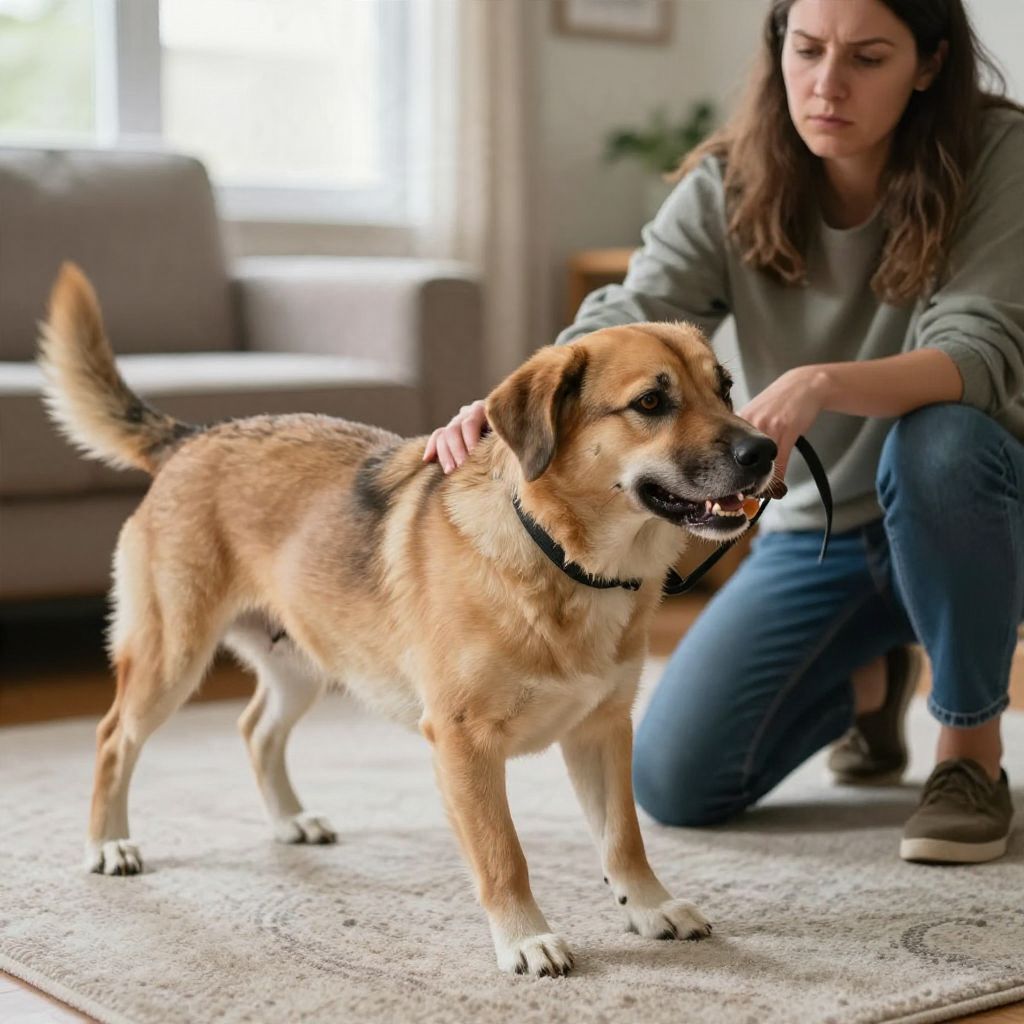
Is dog mounting a sign of dominance? Sometimes people assume it is, but mounting is usually more complicated than that. Dogs may hump because they are excited, stressed, overaroused, playful, anxious, or trying to get attention.
The behavior can also happen for medical reasons or become a habit if it is repeatedly reinforced. The best response is to look at the full context, manage the situation safely, and teach an alternative behavior.
Is Dog Mounting A Sign Of Dominance?
Not usually. Dog mounting is more often a sign of overexcitement, stress, poor impulse control, or learned behavior than a true attempt to “dominate” another dog or person. It can happen in puppies, adolescents, and adults, and the cause often depends on the situation, health, and training history.
Why Dogs Mount
Mounting is a behavior, not a diagnosis. A dog may hump for several different reasons, and one dog can do it for more than one reason at different times.
Common non-dominance reasons
- Excitement or overarousal: Play sessions, visitors, or noisy environments can push a dog past their self-control.
- Stress or anxiety: Some dogs use mounting as a displacement behavior when they feel uncertain.
- Attention-seeking: If mounting reliably gets a big reaction, the dog may repeat it.
- Play behavior: Young dogs sometimes mount during rough play or social learning.
- Sexual behavior: Intact dogs may hump more often, but neutered or spayed dogs can do it too.
- Habit or self-rewarding behavior: Once practiced, it can become an automatic response.
When health may be involved
Sometimes mounting is linked to discomfort or an underlying medical issue. Skin irritation, urinary tract problems, hormonal changes, or pain can make a dog more restless or reactive.
If the behavior is new, sudden, or paired with other symptoms, it is worth a veterinary visit rather than assuming it is “just dominance.”
What Dog Mounting Usually Means in Different Situations
The context matters more than the label. Watch what happens before, during, and after the behavior.
During play with other dogs
Mounting during play often means the dog is overstimulated, not trying to take over. It may be a sign that the interaction needs a break before it escalates.
With people
Mounting people is often about excitement, attention, or poor boundaries. It can also happen when a dog is anxious, frustrated, or seeking contact in an awkward way.
At home around guests
Some dogs hump when visitors arrive because the situation is highly arousing. Crowded spaces, loud voices, and inconsistent greetings can make it worse.
After changes in routine
New schedules, new pets, less exercise, or less sleep can increase stress and trigger mounting. Dogs often show behavior changes when their routine becomes less predictable.
How to Respond Without Making It Worse
The goal is to interrupt the behavior calmly and teach a better alternative. Punishment, yelling, or rough handling can increase stress and make the behavior more persistent.
- Stay calm. Avoid dramatic reactions that may accidentally reward the behavior with attention.
- Interrupt gently. Use a cheerful cue your dog already knows, such as “come” or “sit.”
- Redirect immediately. Ask for a simple behavior like touch, down, or place, then reward it.
- Give a short break. If your dog is overstimulated, remove them from the situation for a few minutes.
- Manage the environment. Use a leash, baby gate, or crate if needed to prevent rehearsal of the behavior.
If your dog is mounting another dog, separate them before the other dog becomes annoyed or defensive. Even friendly dogs can react if they feel crowded or repeatedly bothered.
Training Tips That Actually Help
Reward-based training works best because it teaches your dog what to do instead of only stopping what not to do. Consistency matters more than force.
Teach an alternative behavior
- Practice a reliable sit, down, or go to mat cue.
- Reward calm behavior before your dog becomes overexcited.
- Use short training sessions so your dog stays successful.
- Practice around mild distractions before trying harder situations.
Reduce overarousal
Many dogs hump when they are simply too keyed up. More structured exercise, sniffing walks, food puzzles, and calm decompression time can help.
- Use sniffing and foraging games to lower arousal.
- Build in rest after play sessions.
- Keep greetings low-key.
- Avoid long, chaotic dog-dog play without breaks.
Avoid accidental reinforcement
If your dog mounts and then gets chased, laughed at, or repeatedly touched, the behavior may be reinforced. Try to respond the same way each time: interrupt, redirect, and reward the replacement behavior.
When Mounting May Signal a Bigger Problem
Mounting alone is not usually an emergency, but certain patterns deserve closer attention. A sudden change, frequent episodes, or behavior that seems compulsive can point to stress or a medical issue.
Call your veterinarian if you notice
- New or sudden mounting in an adult dog
- Excessive licking, scooting, or genital irritation
- Urinary accidents, straining, or frequent urination
- Signs of pain, stiffness, or reluctance to move
- Skin redness, swelling, or hair loss
- Behavior changes along with increased thirst, appetite, or lethargy
Seek urgent veterinary care if your dog is straining to urinate, cannot urinate, seems in significant pain, collapses, or has sudden severe behavior changes. Those signs are not normal training issues.
Does Neutering or Spaying Stop Mounting?
Sometimes it helps, but not always. Hormones can contribute to mounting in some dogs, especially when sexual motivation is part of the picture, but many dogs continue to hump after surgery because the behavior has become a habit or is linked to excitement or stress.
That means surgery is not a guaranteed fix for behavior. If mounting is frequent, focus on behavior management and training rather than assuming a procedure will solve it on its own.
Age, Breed, and Individual Differences
Any dog can mount. Puppies may do it during play or when they are overstimulated, while adolescents often show more impulse-control challenges. Adult dogs may hump for attention, stress relief, or habit.
Breed can influence energy level, arousal, and trainability, but it does not determine whether a dog will mount. Individual temperament, daily routine, socialization, and training history matter much more than breed stereotypes.
Common Mistakes to Avoid
- Assuming every mount is a dominance challenge
- Using punishment, shouting, or physical corrections
- Letting the behavior continue until the dog is exhausted
- Ignoring possible pain or medical causes
- Allowing repeated rehearsal in dog parks or busy playgroups
- Reacting so strongly that you accidentally make the behavior more exciting
How to Prevent Mounting Before It Starts
Prevention is easier than stopping a practiced habit. The best plan is to keep your dog from getting too aroused and to reward calm choices early.
- Use predictable routines for meals, walks, and rest.
- Give your dog enough exercise for their age and health.
- Include mental enrichment such as sniffing games and food toys.
- Supervise play and end it before your dog becomes frantic.
- Teach visitors how to greet your dog calmly.
- Practice settling on a mat or bed in low-distraction settings.
When to Get Professional Help
If mounting is frequent, intense, or causing conflict with other dogs or people, a certified trainer or veterinary behaviorist can help you build a plan. Professional help is especially useful when the behavior is tied to anxiety, reactivity, or other behavior problems.
A veterinarian should evaluate sudden changes, and a qualified trainer can help you with management, timing, and reward-based alternatives. If your dog is mounting in multiple settings and it is hard to interrupt, do not wait for it to “grow out of it.”
Bottom Line
Is dog mounting a sign of dominance? Usually no. It is more often a sign of excitement, stress, attention-seeking, or a learned habit, though medical issues can sometimes contribute. Calm interruption, management, and reward-based training are the safest and most effective next steps.
If you want to understand related behavior questions, you may also find why female dogs hump helpful. For another common dog concern, see why dogs snore.