
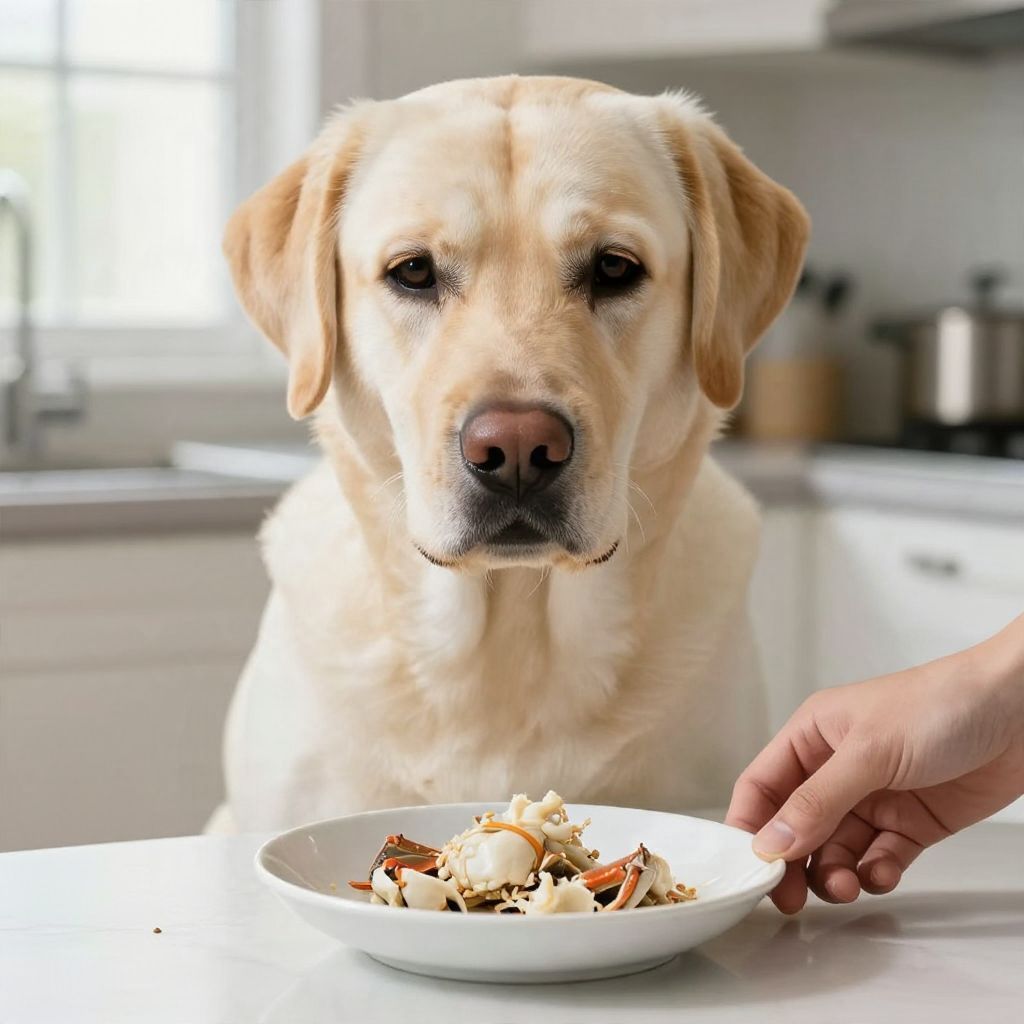
Can dogs have crab meat? Yes, many dogs can eat plain, fully cooked crab meat in small amounts as an occasional treat. It should be free of shells, seasoning, butter, garlic, onion, and other added ingredients that can upset your dog’s stomach or create health risks.
The safest approach is to offer only a little at first and watch for vomiting, diarrhea, itching, or signs of an allergic reaction. If your dog has a sensitive stomach, pancreatitis, kidney disease, or a known food allergy, check with your veterinarian before feeding crab.
Can dogs have crab meat?
Yes, dogs can usually have plain cooked crab meat in moderation. Crab is not a necessary part of a dog’s diet, but it can be a protein-rich treat if it is prepared safely, served in small portions, and given only to dogs that tolerate seafood well.
Is crab meat safe for dogs?
Crab meat itself is not inherently toxic to dogs. The main concerns are how it is prepared and whether your dog can digest it comfortably.
Plain crab meat may be okay, but crab dishes often include ingredients that are unsafe or too rich for dogs. The shell is also a hazard because it can splinter, irritate the mouth, or cause choking or intestinal blockage.
Safe forms of crab for dogs
- Fully cooked, plain crab meat
- Small bite-sized pieces with all shell removed
- Crab served without salt, seasoning, butter, oil, or sauces
Forms to avoid
- Crab shells, legs with sharp fragments, or any shell pieces
- Crab cakes with breadcrumbs, seasoning, onion, garlic, or heavy oil
- Butter-drenched, fried, or heavily salted crab
- Crab salad, sushi, or seafood dishes with sauces and spices
What are the risks of feeding crab meat to dogs?
Most risks come from preparation, portion size, or your dog’s individual sensitivity. Even a safe food can cause problems if it is too rich, too salty, or given to a dog with a medical condition that makes seafood a poor choice.
1. Stomach upset
Crab can be richer than your dog’s usual food, especially if it is mixed with butter or oil. Too much may lead to vomiting, diarrhea, gas, or abdominal discomfort.
2. Shell injury or blockage
Crab shell is not safe for dogs. Sharp fragments can cut the mouth or throat, and larger pieces may cause choking or a blockage in the digestive tract.
3. Food allergies or sensitivities
Some dogs react to seafood. Signs can include itching, ear problems, skin redness, vomiting, or diarrhea. A dog can develop a sensitivity even if seafood seemed fine before.
4. Pancreatitis risk from rich preparations
Crab itself is not especially fatty, but restaurant-style crab dishes often are. Dogs prone to pancreatitis should avoid greasy, buttery, or fried seafood foods unless your veterinarian says otherwise.
5. Salt and seasoning problems
Many crab products are heavily salted or seasoned. Excess sodium can be a concern, especially for dogs with heart, kidney, or blood pressure issues.
How much crab meat can dogs eat?
There is no universal amount that fits every dog. The right portion depends on your dog’s size, age, activity level, overall diet, and health history. In general, crab should be a small treat, not a meal replacement.
A practical rule is to keep treats, including crab, to a small part of your dog’s daily intake. For tiny dogs, that may mean just a few shreds. For larger dogs, a small spoonful may be enough.
Start small the first time
- Offer a tiny piece of plain cooked crab meat.
- Wait and monitor your dog for digestive upset or itching.
- If your dog does well, keep future servings small and occasional.
- Stop feeding crab if any reaction appears.
Which dogs should avoid crab meat?
Some dogs should not eat crab, or should only do so after your veterinarian approves it. Individual health matters more than a blanket yes-or-no answer.
Use extra caution if your dog has:
- A history of food allergies or itchy skin
- Sensitive digestion or frequent vomiting/diarrhea
- Pancreatitis or a history of rich-food intolerance
- Kidney disease, heart disease, or sodium restrictions
- A tendency to gulp food without chewing
- A puppy with a very delicate stomach
Older dogs may also be more sensitive to rich foods or salty ingredients, so smaller portions and simpler preparation are especially important.
How to prepare crab meat for dogs
If you decide to share crab, preparation matters more than the seafood itself. The goal is plain, clean, and simple.
Best preparation steps
- Cook the crab fully before serving.
- Remove every bit of shell and cartilage.
- Serve plain, without seasoning or sauces.
- Offer only a small amount as a treat.
- Store leftovers safely and discard anything spoiled.
Do not add
- Garlic or onion
- Butter, cream, or heavy oils
- Hot sauce, pepper blends, or spice mixes
- Salt-heavy marinades
If the crab is part of a restaurant meal or mixed dish, it is usually better not to share it with your dog at all.
Signs your dog did not tolerate crab well
Watch your dog closely after the first serving. Mild stomach upset may pass, but repeated or severe symptoms need veterinary advice.
Common warning signs
- Vomiting
- Diarrhea
- Drooling
- Gas or bloating
- Itching, redness, or paw licking
- Ear scratching or head shaking
- Reduced appetite
Get urgent veterinary help now if you notice
- Choking, gagging, or trouble breathing
- A swollen face or hives
- Repeated vomiting or severe diarrhea
- Extreme lethargy or collapse
- Signs of abdominal pain, such as a tense belly or repeated stretching
- Suspected swallowing of shell pieces
If your dog ate crab shell or a heavily seasoned crab dish and is acting unwell, contact your veterinarian or an emergency clinic right away.
Can puppies eat crab meat?
Puppies can be more sensitive to dietary changes than adult dogs. Because their digestive systems are still developing, it is usually best to keep treats very simple and limited.
If you want to offer crab to a puppy, ask your veterinarian first, especially if your puppy has had loose stools, a sensitive stomach, or is on a carefully balanced growth diet. A tiny taste of plain cooked crab may be tolerated by some puppies, but it should never replace complete puppy food.
Can dogs eat crab cakes or imitation crab?
Crab cakes are usually not a good choice for dogs because they often contain seasoning, onion, garlic, oil, breadcrumbs, and other ingredients that can upset digestion. They may also be fried, which makes them even richer.
Imitation crab is also best avoided as a regular treat. It is processed and often contains added salt, flavorings, and starches that are not ideal for dogs.
What to do if your dog eats crab shell or a bad crab dish
If your dog got into crab shell, a seasoned seafood dish, or a large amount of crab, stay calm and assess the situation. The right response depends on what was eaten and whether your dog has symptoms.
- Remove any remaining food from reach.
- Check your dog’s mouth only if it is safe to do so.
- Do not try to make your dog vomit unless a veterinarian tells you to.
- Call your veterinarian for guidance, especially if shell was swallowed.
- Seek emergency care immediately for choking, breathing trouble, severe vomiting, or collapse.
Even if your dog seems fine at first, shell fragments can still cause problems later, so veterinary advice is wise when there is any doubt.
Healthier treat alternatives if you want to share seafood
If your dog enjoys seafood, there are safer choices than restaurant-style crab dishes. The best option is still a balanced dog diet, but occasional plain treats can fit into many dogs’ routines.
- Plain cooked fish with all bones removed
- Small pieces of plain cooked shrimp, if your dog tolerates it
- Dog-safe commercial treats designed for sensitive stomachs
- Small portions of your dog’s regular kibble used as treats
Any new food should be introduced gradually, one at a time, so you can tell what your dog can and cannot tolerate.
Bottom line: can dogs have crab meat?
Yes, dogs can have plain cooked crab meat in small amounts, but only if it is shell-free and unseasoned. Avoid crab shells, rich preparations, and mixed seafood dishes, and be especially cautious with dogs that have allergies or digestive problems. When in doubt, ask your veterinarian before sharing.
If you want to compare crab with other seafood questions, you may also find can dogs eat crab meat and can dogs have crab helpful for quick reference.