
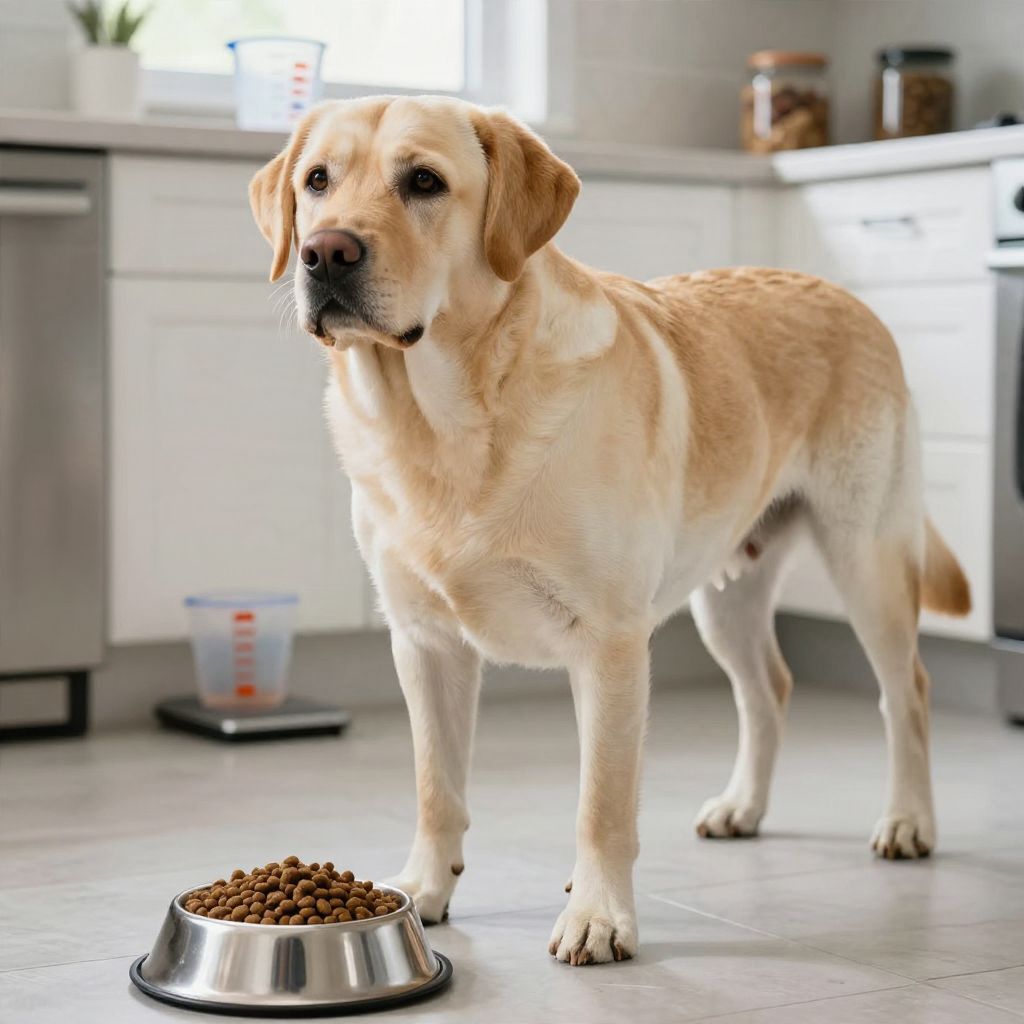
If your dog seems hungry all the time, it can be frustrating and a little worrying. Sometimes it’s a normal behavior issue, but constant hunger can also point to a feeding mistake, boredom, or a health problem.
The key is to look at the whole picture: age, diet, activity level, body condition, and any new symptoms. Some causes are simple to fix, while others need a veterinarian’s help.
Why is my dog always hungry?
Dogs may seem always hungry because they are not getting enough calories, their food is low in satiety, they are very active, or they have learned that begging works. In some cases, increased appetite can signal a medical issue such as parasites, diabetes, thyroid disease, or digestive problems, so persistent hunger deserves attention.
Common reasons your dog acts hungry all the time
1. The feeding amount is too low
One of the most common explanations is simply that your dog is not getting enough food for their current needs. Portions can become outdated when a puppy grows, an adult becomes more active, or a dog loses weight and needs a reassessment.
Check the feeding guide on the bag, but remember that those charts are only a starting point. Your dog’s ideal amount depends on body condition, age, metabolism, and daily exercise.
2. The food is not satisfying enough
Some diets are less filling than others, especially if they are very calorie-dense, low in fiber, or not well matched to your dog’s life stage. A dog may finish a meal quickly and still seem hungry soon after.
If your dog is on a high-quality complete and balanced diet but still acts hungry, your veterinarian may suggest a different formula or feeding approach that better supports satiety.
3. Your dog has learned to beg
Many dogs become expert at getting extra food from people. If begging has sometimes led to table scraps, treats, or attention, your dog may keep trying because the behavior has worked before.
This is a training and management issue, not stubbornness. Consistency matters more than scolding.
4. Boredom or under-stimulation
Some dogs act hungry when they are actually looking for something to do. Food-seeking behavior can increase if a dog is under-exercised, under-trained, or left without enrichment.
Sniffing, chewing, puzzle toys, and short training sessions can help redirect that energy in a healthy way.
5. Rapid eating makes your dog seem hungrier
Dogs that gulp meals may finish before their brain registers fullness. They may then continue searching for food because the meal felt too small, even if the portion was appropriate.
Slower feeding can help some dogs feel more satisfied and reduce post-meal scavenging.
6. Age-related changes
Puppies often seem hungry because they are growing quickly and need frequent meals. Senior dogs can also develop appetite changes, though these may go in either direction depending on health and activity.
Because age changes nutritional needs, a puppy, adult dog, and senior dog should not all be fed the same way.
Health problems that can cause increased appetite
If your dog is suddenly much hungrier than usual, especially if the change is new or dramatic, a medical cause should be considered. Increased appetite can happen with several conditions, and you should not try to guess the cause at home.
Parasites
Intestinal parasites can interfere with nutrient absorption and leave a dog seeming hungry despite eating. Other signs may include weight loss, diarrhea, a dull coat, or a potbellied look in younger dogs.
Diabetes mellitus
Some dogs with diabetes eat more but still lose weight because their bodies cannot use glucose properly. You may also notice increased thirst, more urination, lethargy, or accidents in the house.
Thyroid or hormone-related disease
Hormonal disorders can affect appetite, weight, and energy. These conditions need veterinary testing because the signs can overlap with many other problems.
Digestive or absorption issues
Problems that reduce nutrient absorption can leave a dog hungry even when they are eating enough. Chronic vomiting, soft stools, weight loss, or a poor coat are important clues.
Medications and recovery
Some medications can increase appetite, and some dogs eat more while recovering from illness or injury. If the change started after a prescription or procedure, ask your veterinarian whether it is expected.
When constant hunger is a red flag
Call your veterinarian promptly if your dog’s hunger is paired with other changes. A dog that is always hungry and also losing weight, drinking excessively, vomiting, having diarrhea, or acting weak needs a medical evaluation.
Seek urgent veterinary care if your dog has a swollen abdomen, repeated vomiting, signs of pain, collapse, trouble breathing, black or bloody stool, or cannot keep food or water down.
What you can do at home
1. Measure meals accurately
Use a measuring cup or kitchen scale instead of guessing. Free-pouring food often leads to underfeeding or overfeeding, and both can confuse hunger cues.
Keep track of treats too. Treats should stay within a sensible limit and should not replace a balanced diet.
2. Reassess body condition
Look at your dog’s waist and feel their ribs. You should be able to feel ribs without pressing hard, but they should not be sharply visible in a healthy dog unless your veterinarian says otherwise.
If your dog is underweight or overweight, food portions need to be adjusted with your veterinarian’s guidance.
3. Slow down mealtimes
Try a puzzle feeder, slow feeder bowl, or scatter feeding in a safe area if your dog eats too quickly. Slower meals can make eating more satisfying and reduce frantic food-seeking afterward.
4. Add enrichment, not extra calories
If your dog seems hungry between meals, offer low-calorie enrichment rather than more food right away. Good options include:
- Food puzzles
- Sniff walks
- Short training sessions using part of the daily ration
- Chews that are safe for your dog and approved by your veterinarian if needed
5. Be consistent with begging
Do not reward begging with table food, even occasionally. If one person gives in, the behavior often gets stronger.
Instead, feed your dog on a schedule and ignore begging calmly. Reward quiet, settled behavior away from the table.
Feeding mistakes that can make hunger worse
- Guessing portions instead of measuring
- Using treats too often throughout the day
- Switching foods repeatedly without a plan
- Feeding an adult dog like a puppy, or a puppy like an adult
- Not adjusting food after weight loss, surgery, or changes in activity
- Assuming a dog is hungry when they may be bored or anxious
How to tell hunger from behavior
Not every food-seeking dog is truly underfed. Some dogs ask for food because it is comforting, exciting, or part of a learned routine.
Ask yourself these questions:
- Is my dog maintaining a healthy weight?
- Has the appetite change been sudden?
- Is my dog drinking more water than usual?
- Are there vomiting, diarrhea, or stool changes?
- Is my dog getting enough exercise and enrichment?
If the answer to the first question is no, or if several of the others are yes, a veterinary visit is wise.
Special considerations by age and lifestyle
Puppies
Puppies often seem constantly hungry because they are growing fast and need frequent meals. They may also explore the world with their mouths, which can look like hunger even when they are simply curious.
Use a puppy-appropriate diet and feeding schedule, and ask your veterinarian if you are unsure whether your puppy’s appetite and body condition are on track.
Adult dogs
For adult dogs, a stable appetite with steady weight is usually reassuring. If your adult dog suddenly becomes food-obsessed, look for changes in routine, exercise, stress, or health.
Senior dogs
Older dogs may need diet adjustments because of changes in metabolism, dental comfort, or chronic disease. A senior dog that seems hungrier than before should be checked, especially if weight or drinking habits have changed.
When to see the veterinarian
Make an appointment if your dog is always hungry for more than a short period, especially if the behavior is new. Bring details about the food you feed, the amount, treats, exercise, and any other symptoms.
Your veterinarian may recommend a physical exam, fecal testing, bloodwork, or a diet review. That information helps separate simple hunger from a medical problem.
Bottom line
If you are wondering why is my dog always hungry, start by checking portion size, food quality, treats, and daily enrichment. If the appetite change is sudden, intense, or paired with weight loss, thirst, vomiting, diarrhea, or lethargy, contact your veterinarian.
For more related reading, you may also find why dogs seem hungry all the time and why dogs eat dirt helpful as you sort out your dog’s behavior.