
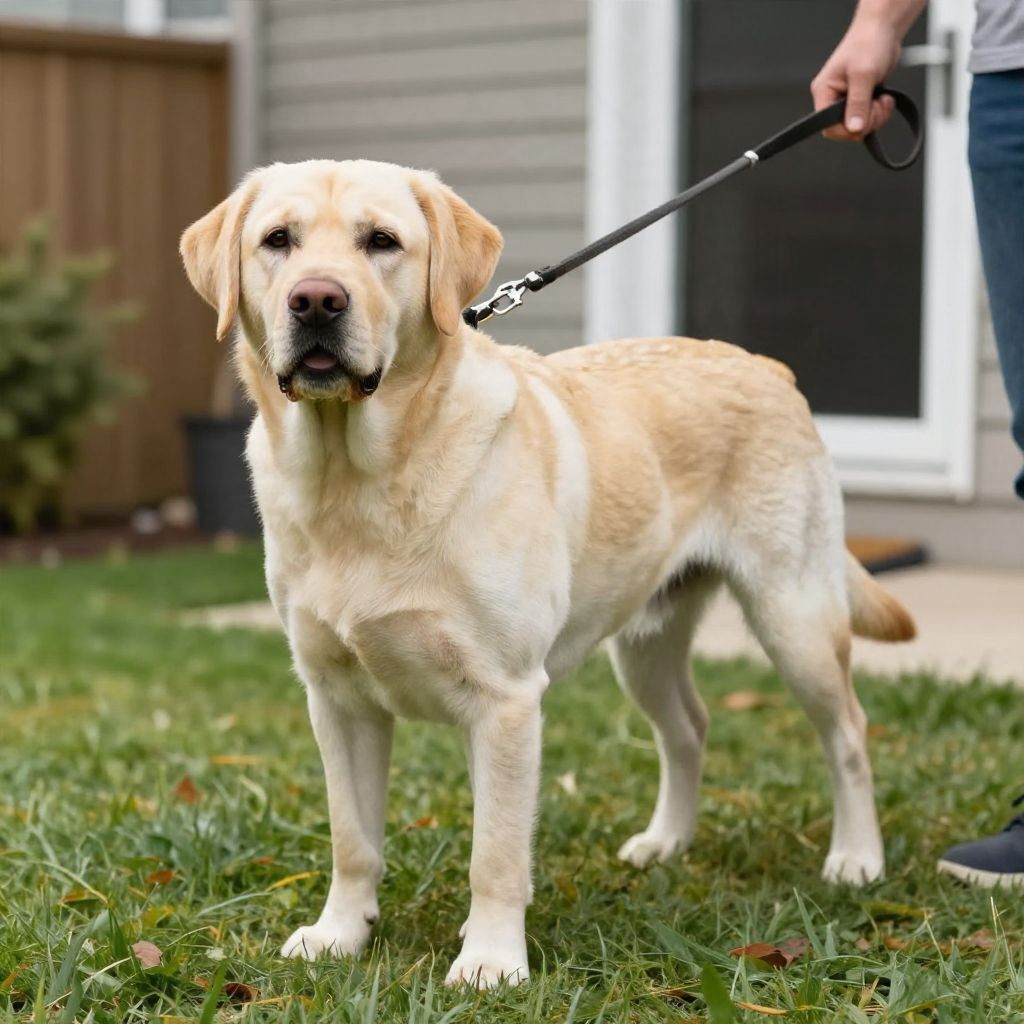
If you’re wondering how often dogs need to pee, the short answer is: most adult dogs do best with bathroom breaks every 4 to 6 hours, but puppies, seniors, and dogs with health issues often need more frequent trips outside.
The right schedule depends on age, size, diet, water intake, training, and medical factors. Watching your dog’s habits is the best way to spot what is normal for them and when something may be wrong.
How often do dogs need to pee?
Most healthy adult dogs need to urinate every 4 to 6 hours, though some can hold it a bit longer when they’re sleeping or during a predictable routine. Puppies usually need to pee much more often, while senior dogs or dogs with medical problems may need frequent breaks and closer monitoring.
What affects how often a dog needs to pee?
There is no single schedule that fits every dog. Several factors can make a dog need to urinate more or less often.
- Age: Puppies have small bladders and limited control. Older dogs may have weaker bladder control or medical issues.
- Size: Smaller dogs often need more frequent breaks than larger dogs, though this is not a hard rule.
- Water intake: Dogs that drink more, exercise more, or eat dry food may urinate more often.
- Diet: Moisture content in food can influence urine volume and frequency.
- Training and routine: Dogs with consistent schedules often learn to hold it better between outings.
- Health: Urinary tract problems, diabetes, kidney disease, and other conditions can change bathroom habits.
- Stress or excitement: Some dogs urinate more when anxious, overexcited, or in a new environment.
How often do puppies need to pee?
Puppies usually need bathroom breaks far more often than adult dogs because their bladders are small and they are still learning control. A young puppy may need to pee after waking, after eating, after play, and every 1 to 2 hours during the day.
Helpful puppy potty timing
- Take your puppy out first thing in the morning.
- Offer a potty break after meals, naps, training, and active play.
- Expect more frequent trips during house-training.
- Use a calm, consistent routine so your puppy learns faster.
If you want a deeper guide, see how often puppies pee.
How often do senior dogs need to pee?
Older dogs may need more frequent bathroom breaks because of weaker bladder muscles, reduced mobility, or age-related illness. Some senior dogs also have trouble holding urine overnight or may start having accidents even if they were previously house-trained.
If your older dog suddenly starts asking out much more often, leaking urine, or having accidents indoors, talk with your veterinarian. These changes are not something to ignore.
How long can a dog hold its pee?
Many healthy adult dogs can hold urine for several hours, but holding it for too long is not ideal. A dog that regularly has to wait beyond its comfort level may become stressed, have accidents, or develop urinary problems. Overnight is often manageable for healthy adults, but puppies and some seniors need nighttime breaks.
For more detail on safe limits, you may also find how long a dog can go without peeing helpful.
Signs your dog needs to pee now
Many dogs show clear signals before they have an accident. Learning your dog’s cues can help you get them outside in time.
- Pacing or restlessness
- Sniffing the floor or circling
- Whining, barking, or heading to the door
- Squatting or lifting a leg indoors
- Sudden attention to a usual potty spot
If your dog is house-trained but starts signaling more urgently than usual, pay attention to whether the change is new or paired with other symptoms.
When frequent peeing may be a health problem
Sometimes a dog that pees more often is simply drinking more water, but frequent urination can also point to a medical issue. You should contact your veterinarian if the change is new, persistent, or happening along with other symptoms.
Common warning signs to watch for
- Straining to urinate
- Very small amounts of urine each time
- Blood in the urine
- Accidents in a previously house-trained dog
- Increased thirst
- Excessive licking of the urinary area
- Strong odor or discomfort while urinating
- Lethargy, vomiting, or loss of appetite
Urgent veterinary care is needed if your dog is trying to pee but cannot pass urine, appears painful, has a swollen belly, or becomes weak or distressed. A urinary blockage can become an emergency, especially in male dogs.
How to build a practical pee schedule
A predictable routine helps most dogs stay comfortable and reduces accidents. The best schedule depends on your dog’s age, health, and daily routine, but consistency matters more than perfection.
- Take your dog out at the same times each day when possible.
- Start with more frequent trips, then slowly extend the time if your dog stays dry.
- Offer a potty break after meals, naps, play, and long car rides.
- Reward your dog calmly after they pee outside.
- Track accidents or changes so you can spot patterns.
Reward-based training works best. Praise, treats, and predictable routines teach your dog where to go without fear or confusion.
How diet, water, and exercise affect urination
What your dog eats and drinks can change how often they need to pee. More water naturally means more urine, and active dogs may drink more after exercise or warm weather.
Things that can increase bathroom trips
- Hot weather
- Long walks or active play
- Wet or high-moisture food
- Sudden diet changes
- Stress or excitement
Do not restrict water to reduce urination unless your veterinarian tells you to. Fresh water should always be available, especially after exercise or in warm conditions.
House-training mistakes that can make peeing harder to manage
Some common habits make it harder for dogs to learn a reliable bathroom routine. Avoiding these mistakes can reduce accidents and frustration.
- Waiting too long between potty breaks
- Not supervising a new puppy closely enough
- Skipping rewards for outdoor potty success
- Using punishment after accidents, which can make dogs hide when they need to go
- Assuming a sudden change is “just behavioral” without checking for illness
If your dog is having repeated accidents, go back to basics with more frequent outings and closer supervision. Crate training can help some dogs when used humanely and correctly, but it should never be used as a long-term substitute for bathroom breaks.
When to call the vet
Call your veterinarian if your dog’s urination pattern changes suddenly or if you notice pain, blood, increased thirst, or accidents after being reliably house-trained. These signs can happen with urinary tract infections, bladder stones, kidney disease, diabetes, hormonal conditions, or other problems that need proper diagnosis.
Seek urgent help right away if your dog cannot pee, is repeatedly straining, seems very painful, or becomes weak, bloated, or unresponsive.
Bottom line
So, how often do dogs need to pee? Most adult dogs do well with breaks every 4 to 6 hours, but puppies, seniors, and dogs with health concerns often need more frequent trips. Watch your dog’s normal pattern, keep a steady routine, and contact your veterinarian if anything changes suddenly.
If you’re comparing age-based bathroom needs, it can also help to read more about puppy peeing schedules and how long a dog can safely wait between breaks.