
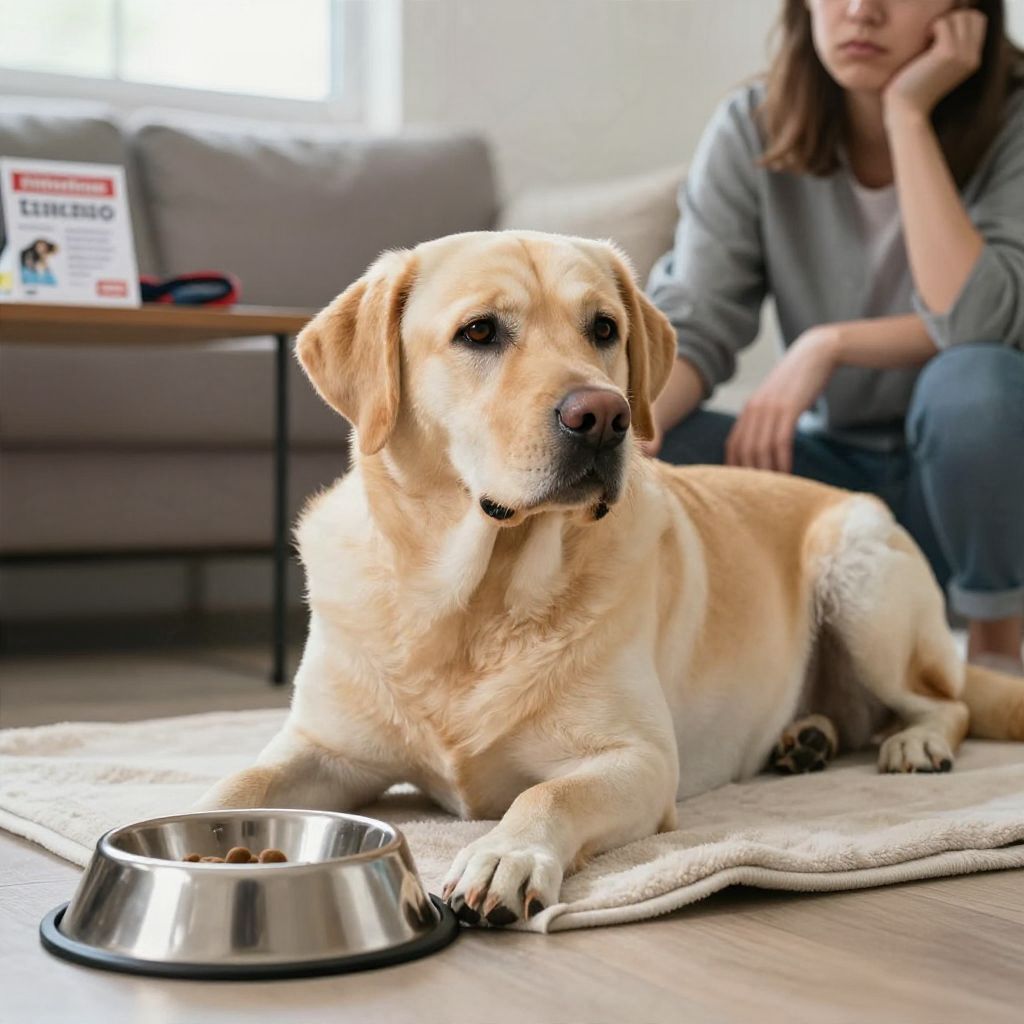
If your dog has skipped a meal, it’s natural to worry about how long they can safely go without eating. The answer depends on age, health, size, hydration, and why they are refusing food.
In general, a healthy adult dog may tolerate a short fast better than a puppy or a dog with medical problems, but not eating for more than 24 hours deserves a call to your veterinarian. Some situations need urgent care much sooner.
How Many Days Can A Dog Go Without Eating?
A healthy adult dog may go about 1 to 2 days without eating and still be stable, but that does not mean it is normal or safe to wait that long. Puppies, seniors, small dogs, and dogs with illness can become sick much faster, so appetite loss should be taken seriously.
Why the answer depends on the dog
How long a dog can go without food varies a lot from one dog to another. Age, body condition, hydration, and underlying disease matter more than breed alone.
Age and life stage
- Puppies need frequent meals and can become weak or hypoglycemic quickly if they stop eating.
- Adult dogs may sometimes skip a meal because of stress, travel, or a mild stomach upset.
- Senior dogs often have dental pain, nausea, arthritis-related stress, or chronic disease that affects appetite.
Size and body condition
Small dogs and toy breeds may have less reserve if they stop eating, especially if they are also vomiting or acting tired. Larger dogs may have more body reserves, but they are not protected from dehydration, organ problems, or dangerous causes of appetite loss.
Health status
A dog with diabetes, kidney disease, liver disease, pancreatitis, cancer, or a recent surgery should not be left to “wait it out” if they stop eating. In these dogs, even a short period without food can signal a serious problem.
When not eating becomes an emergency
Seek urgent veterinary care right away if your dog is not eating and also has vomiting, repeated retching, bloated abdomen, collapse, trouble breathing, pale gums, severe lethargy, signs of pain, or cannot keep water down. These signs can indicate a life-threatening emergency.
- Go now if your dog may have eaten a toxin, foreign object, or medication.
- Go now if your dog has a swollen belly, repeated unproductive vomiting, or sudden weakness.
- Go now if your puppy is not eating and seems shaky, sleepy, or unsteady.
- Go now if your dog has not eaten for 24 hours and is also acting unwell.
Common reasons a dog stops eating
Some causes are minor and temporary, while others need prompt treatment. The key is to look at the whole picture, not just the missed meal.
Less serious possibilities
- A recent change in food or feeding schedule
- Stress from boarding, travel, visitors, or a new home
- Picky eating or learned mealtime habits
- Hot weather, mild nausea, or a short-lived stomach upset
More concerning possibilities
- Dental disease or mouth pain
- Gastrointestinal illness
- Pancreatitis
- Kidney, liver, or endocrine disease
- Injury, fever, infection, or pain elsewhere in the body
- Foreign body ingestion or toxin exposure
What to do if your dog skips a meal
If your dog misses one meal but otherwise seems normal, you can monitor closely and offer food again at the next scheduled mealtime. Keep fresh water available and watch for vomiting, diarrhea, pain, or behavior changes.
- Check whether your dog is drinking normally.
- Look for vomiting, diarrhea, drooling, pawing at the mouth, or signs of pain.
- Offer the regular diet at the next meal time.
- Keep the environment calm and avoid sudden food changes.
- Contact your veterinarian if the refusal continues or your dog seems unwell.
What not to do
- Do not force-feed a dog that is nauseated, painful, or weak unless your veterinarian instructs you to.
- Do not give human medications or random supplements for appetite loss.
- Do not assume a dog is “being stubborn” if they are refusing food.
- Do not wait several days if your dog is young, old, or has a medical condition.
How long is too long for puppies?
Puppies should not go long without eating. They have higher energy needs and less reserve, so appetite loss can become urgent quickly. If a puppy skips a meal, especially with vomiting, diarrhea, lethargy, or trembling, contact a veterinarian promptly.
Very young puppies are especially vulnerable to low blood sugar and dehydration. If a puppy seems weak, wobbly, unusually sleepy, or unable to stay awake, treat it as urgent.
How long is too long for senior dogs?
Senior dogs should not be allowed to go without eating for long because appetite loss can be an early sign of pain or disease. Dental problems are especially common and can make eating uncomfortable even when the dog still wants food.
If your older dog is eating less than usual, losing weight, or acting quieter than normal, schedule a veterinary exam. A gradual appetite change is still worth investigating.
What if your dog is drinking water but not eating?
Drinking water is a better sign than refusing both food and water, but it does not rule out illness. A dog that drinks but will not eat may still have nausea, pain, fever, dental disease, or a blockage.
If your dog is drinking but not eating for more than 24 hours, or if the refusal comes with vomiting, diarrhea, or lethargy, call your veterinarian. If water intake suddenly increases or decreases a lot, mention that too.
Should you try to tempt your dog to eat?
Sometimes a calm, low-pressure approach helps a dog start eating again, especially if stress or a minor stomach upset is involved. Keep the goal simple: encourage normal eating without turning mealtime into a battle.
- Offer the regular food in a quiet place.
- Use the same bowl and feeding routine if your dog prefers consistency.
- Warm wet food slightly if your veterinarian says it is appropriate, since aroma can help.
- Try a smaller portion rather than a large bowlful.
Do not keep changing foods repeatedly, because that can make pickiness worse and can upset the stomach. If your dog is truly ill, tempting them may delay needed treatment.
When a brief fast may happen
Some dogs occasionally skip a meal after travel, excitement, a new environment, or mild stress. A healthy adult dog that misses one meal and then eats normally may simply need observation.
Even then, watch closely. A dog that seems “off,” hides, pants, vomits, or refuses the next meal should be checked by a veterinarian rather than assumed to be fine.
How veterinarians think about appetite loss
Veterinarians look at how long the dog has not eaten, whether they are drinking, and whether other symptoms are present. They also consider age, medications, recent diet changes, and possible exposure to toxins or foreign objects.
Depending on the case, your veterinarian may recommend an exam, oral check, bloodwork, imaging, or stool testing. The right next step depends on the pattern of symptoms, not just the number of days without food.
Preventing future appetite problems
You cannot prevent every illness, but you can reduce some common causes of food refusal. Consistent feeding habits and prompt attention to changes make a difference.
- Keep your dog on a steady feeding schedule.
- Transition to new food gradually.
- Schedule dental care and regular wellness exams.
- Store food properly so it stays fresh.
- Keep toxins, trash, and chewable objects out of reach.
Bottom line
A healthy adult dog may sometimes go 1 to 2 days without eating, but that is not a reason to wait if your dog seems sick. Puppies, seniors, and dogs with health problems need faster attention, and any dog with vomiting, pain, weakness, bloating, or collapse needs urgent veterinary care.
If you want to learn more, you may also find how long a dog can go without food and why a dog isn’t eating helpful for next steps and warning signs.